
Road Cycling Guide for Climbing, Descending, and Pacing More Efficiently with a Focus on Control for Weekend Rides Leave a comment
Road Cycling Guide for Climbing, Descending, and Pacing More Efficiently with a Focus on Control for Weekend Rides
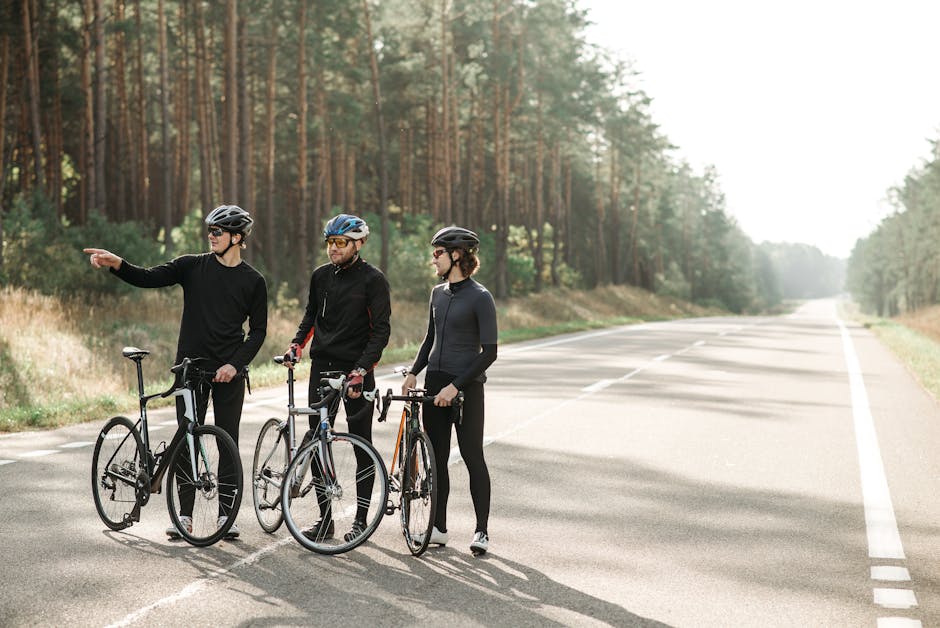
Mastering the art of road cycling—especially on weekend group rides—means more than just pedaling hard. A solid road cycling guide for climbing, descending, and pacing more efficiently with a focus on control helps you ride smarter, safer, and with greater endurance. Whether you’re tackling steep mountain passes or rolling countryside hills, understanding how to manage your effort, body position, and speed makes all the difference. This guide breaks down proven techniques for each phase of the ride, emphasizing control and efficiency so you can enjoy longer, more confident outings without burning out or risking safety.
Why Control Matters More Than Speed on Weekend Rides
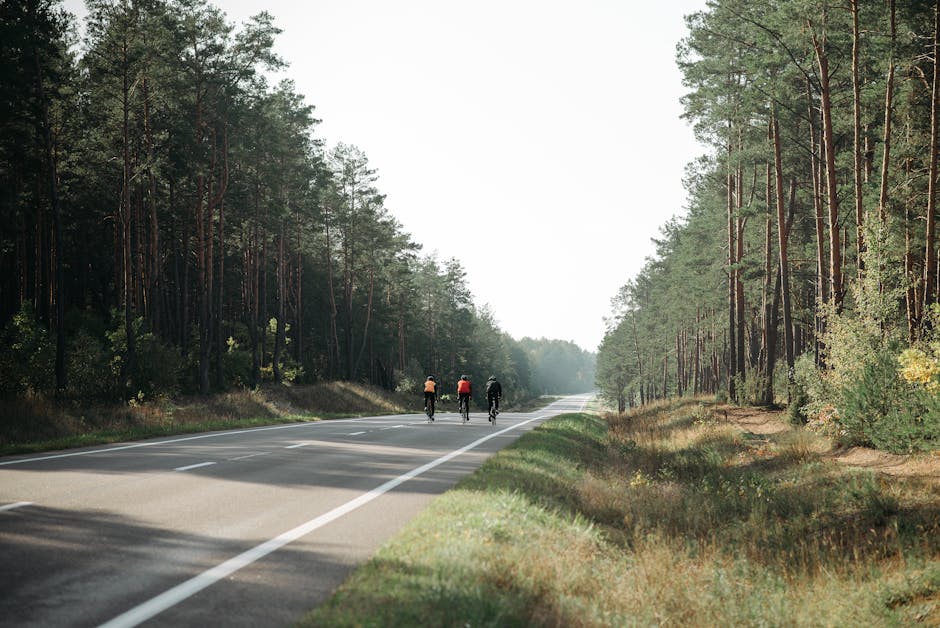
Many cyclists equate performance with how fast they can go, but on recreational or weekend rides, consistency and control are far more valuable. Riding with control means maintaining a steady cadence, predictable braking, and balanced handling—especially on technical descents or sustained climbs. It reduces fatigue, minimizes the risk of crashes, and allows you to ride longer and recover faster. Think of control as the foundation: without it, even the strongest legs won’t save you from a wobbly descent or an early bonk on a long climb.
For example, a rider who maintains a smooth, controlled pace up a 10% gradient will often outlast someone who surges and fades. Similarly, on a winding downhill, controlled braking and body positioning prevent overheating rims and loss of traction. The goal isn’t to be the fastest—it’s to be the most efficient and safe.
Climbing Efficiently: Technique Over Power
Climbing is where many riders lose time—not because they lack strength, but because they lack technique. Efficient climbing isn’t about standing and mashing the pedals; it’s about rhythm, breathing, and smart gear selection.
Key Climbing Techniques
- Stay seated as long as possible: Standing increases heart rate and fatigue. Stay seated until the gradient exceeds 8–10% or your cadence drops below 60 RPM.
- Maintain a steady cadence: Aim for 70–90 RPM. Use easier gears to keep spinning rather than grinding.
- Focus on breathing: Inhale deeply through the nose, exhale through the mouth. Avoid holding your breath during efforts.
- Look ahead: Keep your eyes 10–15 meters up the road to anticipate changes in gradient or road surface.
- Use your core: Engage your abdominal muscles to stabilize your upper body, especially when standing.
On long climbs, pacing is critical. Start conservatively—many riders blow up in the first 20% of a climb. A good rule of thumb: if you can’t speak in short sentences, you’re going too hard. Use a heart rate monitor or power meter if available, but even perceived exertion (RPE) on a scale of 1–10 is effective. Aim to stay at 6–7/10 for sustained climbs.
Gear and Position Tips
Use a compact crankset (e.g., 50/34) with a wide-range cassette (e.g., 11-32 or 11-34) for easier climbing. Keep your hands on the hoods or tops for better weight distribution. Avoid gripping the bars too tightly—this wastes energy and increases upper body tension.
Example: On a 5-mile climb averaging 6%, shift into your easiest gear early. Stay seated, focus on smooth pedal strokes, and take short sips of water every 3–5 minutes. If you feel your cadence dropping, shift down before you stall.
Descending Safely: Mastering Control at Speed
Descending is where many riders gain time—or lose control. Speed increases risk, but with proper technique, you can descend confidently and efficiently. The key is body position, braking strategy, and line selection.
Body Position for Stability
- Lower your center of gravity: Bend your elbows, drop your shoulders, and shift your weight back slightly. Your hips should be behind the saddle.
- Grip the drops: This gives better leverage and control, especially in corners.
- Keep knees and elbows slightly bent: Act as shock absorbers for bumps and vibrations.
- Look through the corner: Your eyes should be focused on the exit, not the apex. This helps with balance and timing.
Braking Strategy
Brake before the corner, not during it. Use both brakes evenly—front brake provides 70% of stopping power, but abrupt use can cause skidding. Apply pressure gradually. On wet or gravelly roads, reduce speed earlier and avoid hard braking.
Warning: Never brake with only the front brake in a corner. This can cause the front wheel to wash out. Similarly, locking the rear brake leads to skidding and loss of control.
Choosing the Right Line
The ideal line through a corner is the one that maintains speed and stability. Enter wide, cut toward the inside at the apex, and exit wide. Avoid painted lines, manhole covers, and debris—these reduce traction.
Example: On a descending switchback, approach at a controlled speed, brake in the straight section, then lean the bike while keeping your body upright. Use the full width of the road to maintain a smooth arc.
Pacing Strategies for Endurance and Efficiency
Pacing is the silent hero of long rides. Poor pacing leads to early fatigue, while smart pacing lets you finish strong. Whether you’re riding solo or in a group, managing your effort across climbs, flats, and descents is essential.
The Effort Zones Approach
Divide your ride into effort zones based on perceived exertion or heart rate:
| Zone | Effort Level | Use Case |
|---|---|---|
| 1 | Very light (2–3/10) | Warm-up, recovery, flat sections |
| 2 | Light (4–5/10) | Sustainable pace on flats and gentle climbs |
| 3 | Moderate (6–7/10) | Steady climbs, tempo efforts |
| 4 | Hard (8–9/10) | Short climbs, surges, time trials |
| 5 | Maximal (10/10) | Sprints, short attacks |
For weekend rides, aim to spend most of your time in Zones 2 and 3. Save Zone 4 for short climbs or group surges, and avoid Zone 5 unless necessary. This preserves energy and prevents burnout.
Group Riding Pacing Tips
- Draft when possible: Riding in the slipstream of another cyclist reduces wind resistance by up to 30%. Rotate smoothly in pacelines.
- Avoid surging: Sudden accelerations waste energy. Maintain a steady rhythm, even if others speed up.
- Communicate: Call out hazards like potholes, gravel, or cars. Use hand signals for turns and stops.
- Stay predictable: Ride in a straight line and avoid sudden movements. This helps others react safely.
Example: On a 50-mile group ride with rolling hills, stay in Zone 2 on flats, shift to Zone 3 on climbs, and recover in Zone 1 on descents. This balanced approach keeps you fresh for the entire ride.
Equipment and Setup for Better Control
Your bike setup directly impacts control and efficiency. A poorly fitted bike leads to discomfort, reduced power transfer, and instability—especially on technical terrain.
Bike Fit Essentials
- Saddle height: When your foot is at the bottom of the pedal stroke, your leg should be nearly straight with a slight bend.
- Reach: You should be able to rest your hands on the hoods with a slight bend in the elbows and relaxed shoulders.
- Handlebar drop: Moderate drop (2–4 cm below saddle) improves aerodynamics without compromising comfort.
Tire Choice and Pressure
Wider tires (25–28mm) at lower pressures (80–90 psi for 25mm) offer better grip and comfort, especially on rough roads. They absorb vibrations and improve control on descents. Avoid overinflating—this reduces traction and increases fatigue.
Example: Switching from 23mm to 28mm tires at 85 psi can reduce rolling resistance and improve comfort on chip-seal roads, making long rides more enjoyable.
Brake and Drivetrain Maintenance
Well-maintained brakes are non-negotiable for safe descending. Check brake pads for wear, ensure rotors are clean (if using disc brakes), and test lever feel before every ride. A spongy lever means air in the system or worn pads.
Keep your chain clean and lubricated. A dirty chain increases friction and reduces efficiency, especially on climbs. Use a wet lube in damp conditions, dry lube in dry weather.
Nutrition and Hydration for Sustained Performance
Even the best technique fails without proper fuel. Dehydration and low glycogen levels lead to early fatigue, poor decision-making, and reduced control.
Hydration Strategy
- Drink 500ml of water per hour in moderate conditions.
- In hot weather (>25°C/77°F), increase to 750ml and add electrolytes.
- Use a hydration pack or two bottle cages for longer rides.
Fueling on the Ride
- Consume 30–60 grams of carbohydrates per hour.
- Use energy gels, bars, or bananas for quick absorption.
- Eat small amounts every 20–30 minutes rather than large meals.
Example: On a 4-hour ride, aim for 2 energy gels (25g carbs each), 1 banana, and 2 liters of water with electrolyte tablets. This maintains blood sugar and prevents cramping.
Common Mistakes to Avoid
- Starting too hard: Many riders sprint at the beginning and fade by the first climb. Stick to your planned pace.
- Ignoring body signals: Pain in the knees, back, or neck often indicates poor bike fit or technique. Address it early.
- Poor cornering lines: Cutting corners too tight increases the risk of clipping a pedal or losing traction.
- Over-gripping the bars: This wastes energy and leads to hand numbness. Relax your grip, especially on descents.
Putting It All Together: A Sample Weekend Ride Plan
Imagine a 60-mile ride with 3,000 feet of elevation gain. Here’s how to apply the principles:
- Warm-up (10 min): Easy spinning in Zone 1 to prepare muscles and cardiovascular system.
- First climb (8 miles, 5% avg): Stay seated, maintain 75 RPM, breathe steadily. Stay in Zone 3.
- Descent: Shift weight back, use both brakes evenly, choose smooth lines. Recover in Zone 1.
- Flat section: Draft in a group, stay in Zone 2, hydrate every 15 minutes.
- Final climb (3 miles, 7%): Start conservatively, increase effort in the last mile. Stay controlled.
- Cool-down (10 min): Easy spinning to flush lactate and prevent stiffness.
This structured approach ensures you finish strong, recover faster, and enjoy the ride.
Final Thoughts
A solid road cycling guide for climbing, descending, and pacing more efficiently with a focus on control transforms weekend rides from exhausting efforts into enjoyable, sustainable adventures. By mastering technique, managing effort, and maintaining your bike, you’ll ride farther, safer, and with more confidence. Remember: control isn’t the enemy of speed—it’s the foundation of lasting performance.
FAQ
How can I improve my climbing efficiency without a power meter?
Focus on cadence (aim for 70–90 RPM), breathing, and perceived exertion. Use a heart rate monitor if available, or simply pay attention to how you feel. Stay seated as long as possible and avoid surging.
What’s the safest way to descend on a road bike?
Lower your center of gravity, grip the drops, brake before corners, and look through the turn. Use both brakes evenly and avoid sudden movements. Choose smooth, debris-free lines.
How often should I eat and drink during a long ride?
Aim to consume 30–60 grams of carbohydrates and 500–750ml of fluid per hour. Eat small amounts every 20–30 minutes and drink regularly, even if you don’t feel thirsty.
