

Electric Bicycles Guide to Performance, Charging, and Daily Usability with a Focus on Control for Weekend Rides Leave a comment
Electric Bicycles Guide to Performance, Charging, and Daily Usability with a Focus on Control for Weekend Rides
An electric bicycle blends pedal power with battery assistance, offering a smooth, efficient way to commute or explore on weekends. This guide walks you through key aspects of performance, charging habits, and everyday usability—especially how to maintain control during leisure rides. Whether you’re new to e-bikes or upgrading from a standard model, understanding these elements helps you choose wisely and ride confidently.
How Electric Bicycles Perform in Real-World Conditions
Performance in electric bicycles depends on motor type, battery capacity, and frame design. Most e-bikes use either hub motors (integrated into the front or rear wheel) or mid-drive motors (mounted near the pedals). Mid-drive systems tend to offer better balance and hill-climbing ability because they leverage the bike’s gears. Hub motors, while simpler and often quieter, can feel less responsive on steep inclines.
Battery capacity, measured in watt-hours (Wh), determines how far you can go. A typical 400Wh battery provides 40–80 km (25–50 miles) per charge, depending on assist level, terrain, rider weight, and wind conditions. For weekend rides that include hills or longer distances, aim for at least 500Wh. Some models, like the Trek Allant+ or Specialized Turbo Vado, offer removable batteries with 625Wh or more, giving you flexibility for extended outings.
Speed is another performance factor. Most pedal-assist e-bikes in the U.S. are limited to 20 mph (32 km/h) under motor power. Class 3 models go up to 28 mph (45 km/h) but may require helmets and have local restrictions. Always check your area’s regulations before purchasing.
Handling and Control on Weekend Rides
Control is crucial when riding on mixed terrain—pavement, gravel paths, or light trails. E-bikes are heavier than regular bikes due to the motor and battery, which can affect handling, especially at low speeds or tight turns. Look for models with a low center of gravity, such as those with downtube-mounted batteries, to improve stability.
Tire choice also plays a role. Wider tires (2.0 inches or more) with moderate tread offer better grip and comfort on uneven surfaces. For example, the Rad Power Bikes RadCity uses 27.5” x 2.4” tires that absorb bumps well, making it a solid pick for weekend explorers. Suspension forks can help, but full suspension adds weight and cost—reserve that for rougher trails.
Brake performance is non-negotiable. Disc brakes—mechanical or hydraulic—are standard on quality e-bikes and provide reliable stopping power even when descending hills at higher speeds. Avoid rim brakes on e-bikes; they wear faster under the added momentum.
Charging Basics: What You Need to Know
Charging an e-bike battery is straightforward, but a few habits extend its lifespan. Most lithium-ion batteries come with a standard charger that takes 3–6 hours for a full charge. Fast chargers can reduce this to under 2 hours but may generate more heat, which can degrade cells over time. Use them sparingly.
Store your battery at around 50% charge if you won’t use the bike for weeks. Extreme temperatures—below freezing or above 35°C (95°F)—hurt performance and longevity. Never charge a cold battery straight from outdoor storage; let it warm to room temperature first.
Most manufacturers rate batteries for 500–1,000 full charge cycles before capacity drops to 70–80%. That’s roughly 2–5 years of daily use. Avoid draining the battery to 0% regularly. Instead, recharge when it hits 20–30%. This reduces stress on the cells.
Charging on the Go: Practical Tips
For weekend trips, plan your charging stops. Many e-bike batteries are removable, so you can charge indoors at a café, library, or friend’s house. Carry the charger in a padded bag—it’s lighter than you think. Some newer models support regenerative braking, but the energy recovered is minimal and not a reliable charging method.
If you’re riding with a group, coordinate routes that pass near charging points. Apps like PlugShare or ChargePoint can help locate public stations, though home charging remains the most convenient option.
Daily Usability: Commuting, Errands, and Storage
An e-bike fits seamlessly into daily routines. For commuting, look for integrated lights, fenders, and rear racks. These features keep you visible, dry, and able to carry a backpack or groceries. The Gazelle Medeo T10 HMB, for instance, includes all three and has a step-through frame for easy mounting.
Range anxiety is common but often overblown. Most urban commutes are under 15 km (10 miles) round-trip. Even with moderate assist, a single charge covers several days of riding. Use eco mode for flat routes and save higher assist levels for hills or headwinds.
Storage matters. E-bikes weigh 20–30 kg (45–65 lbs), so lifting them onto high racks is tough. Wall mounts or floor stands help save space. If you live in an apartment, choose a model with a compact frame or consider a folding e-bike like the Brompton Electric, though these typically have smaller batteries and shorter range.
Maintenance You Can’t Ignore
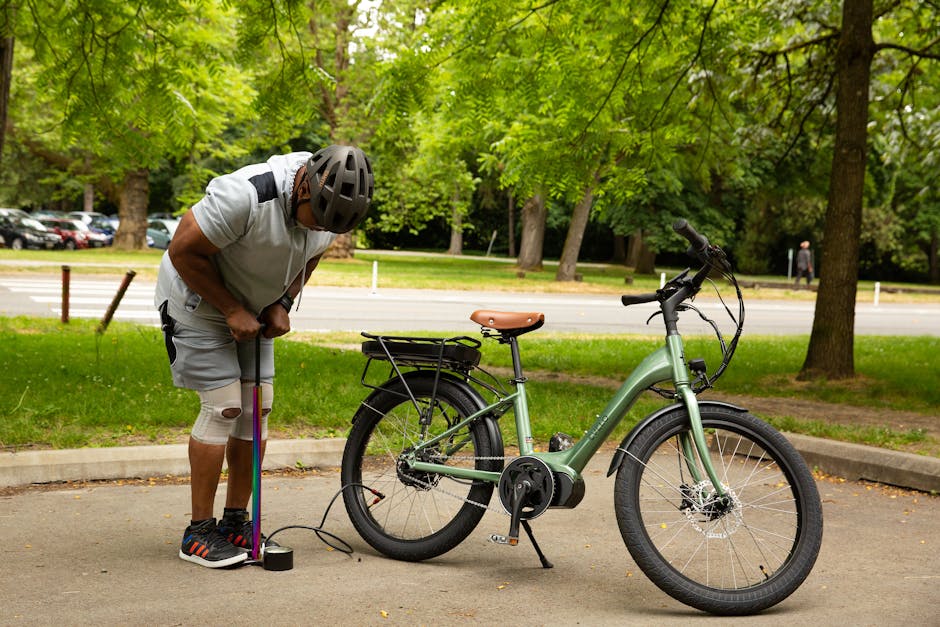
Regular maintenance keeps your e-bike running smoothly. Check tire pressure weekly—underinflated tires increase rolling resistance and drain the battery faster. Clean the chain monthly and lubricate it with bike-specific oil. Inspect brake pads every few months; worn pads reduce stopping power and damage rotors.
Keep electrical connections dry and clean. After riding in rain, wipe down the battery terminals and charge port. Avoid high-pressure washes, which can force water into seals.
Software updates are increasingly common. Some brands, like Bosch and Shimano, release firmware updates that improve motor responsiveness or battery management. Check your manufacturer’s website or app periodically.
Choosing the Right E-Bike for Weekend Adventures
Not all e-bikes are built for weekend rides. Consider your typical route: flat city paths, rolling hills, or gravel trails. For mixed terrain, a hybrid or gravel e-bike with wider tires and moderate suspension works best. The Cannondale Adventure Neo offers a relaxed geometry and 625Wh battery, ideal for long Saturday outings.
If you carry gear—camping equipment, picnic supplies, or a child seat—look for strong rear racks and compatible accessories. Some bikes support front racks too, improving weight distribution.
Test ride before buying. Pay attention to how the bike feels at low speeds, when turning, and under braking. A good shop will let you ride on varied surfaces. Notice how the motor engages: smooth assistance feels more natural than sudden surges.
Weather and Seasonal Considerations
E-bikes handle light rain well, but prolonged exposure to moisture can damage electronics. Use fenders and avoid deep puddles. In winter, battery range drops by 20–30% in cold weather. Dress in layers and consider studded tires if you ride on icy paths.
Salt and grit from winter roads corrode components faster. Rinse your bike after salty rides and dry it thoroughly. Store it indoors when possible.
Safety and Legal Notes
Always wear a helmet. Even at 20 mph, a fall can cause serious injury. Use front and rear lights, especially in low-light conditions. Reflective clothing or ankle bands increase visibility.
Know your local laws. In many U.S. states, Class 1 and Class 2 e-bikes can use bike lanes and multi-use paths. Class 3 models may be restricted to roads or require licensing. Some parks ban e-bikes entirely. Check municipal rules before heading out.
Signal your turns and stay predictable. E-bikes accelerate faster than regular bikes, so give others time to react. Ride in a straight line and avoid sudden swerves.
Final Thoughts
An electric bicycle is more than a weekend toy—it’s a practical, enjoyable way to move through daily life. With the right model, you’ll enjoy better performance, reliable charging, and confident control on every ride. Focus on battery capacity, motor placement, and real-world usability when choosing. For weekend adventures, prioritize comfort, range, and handling over flashy features.
Start with a test ride, maintain your bike regularly, and charge smartly. The result is a dependable companion that makes both errands and exploration more fun.
FAQ
How far can I ride on a single charge?
Most e-bikes offer 40–80 km (25–50 miles) per charge, depending on battery size, assist level, terrain, and rider weight. A 500Wh battery typically covers 60–100 km (35–60 miles) in mixed conditions.
Can I ride an e-bike in the rain?
Yes, but avoid deep water and high-pressure washing. Use fenders to stay dry and wipe down electrical parts after wet rides. Most e-bikes are water-resistant, not waterproof.
Do I need a license to ride an electric bicycle?
In most U.S. states, no license is required for Class 1 and Class 2 e-bikes. Class 3 models may have age or helmet requirements. Always check local regulations before riding.
