
Electric Bicycle Advice That Makes Daily Riding Easier and More Efficient with a Focus on Control for Weekend Rides Leave a comment
Electric Bicycle Advice That Makes Daily Riding Easier and More Efficient with a Focus on Control for Weekend Rides
If you’re using an electric bicycle for daily commuting or weekend adventures, smart choices in setup, maintenance, and riding technique can dramatically improve efficiency, comfort, and control. This guide delivers practical electric bicycle advice that makes daily riding easier and more efficient with a focus on control for weekend rides—whether you’re navigating city traffic or tackling hilly trails. From optimizing battery use to fine-tuning handling, these proven strategies help riders get the most out of every mile.
Choose the Right E-Bike for Your Riding Style
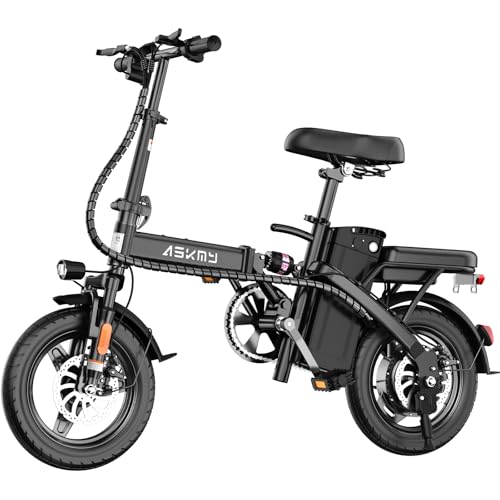
Not all e-bikes are built the same. Selecting the right model based on your typical routes and riding goals is the foundation of efficient, controlled riding. For daily use—especially in urban environments—a lightweight commuter e-bike with a step-through frame, integrated lights, and puncture-resistant tires offers convenience and reliability. If your weekends involve off-road trails or steep inclines, a mid-drive motor e-bike with suspension and wider tires provides better torque and stability.
Consider these key factors when choosing:
- Motor type: Hub motors are simpler and quieter; mid-drive motors offer better weight distribution and hill-climbing power.
- Battery capacity: Measured in watt-hours (Wh), higher capacity means longer range—aim for at least 400Wh for mixed daily and weekend use.
- Frame geometry: Upright positioning reduces fatigue on long rides; sportier frames enhance control at speed.
- Tire width: Wider tires (2.0″ or more) improve grip and comfort on uneven surfaces.
For example, a rider commuting 10 miles each way through downtown and then exploring gravel paths on Saturdays might benefit from a hybrid e-bike like the RadCity or Trek Allant+, which balance efficiency and versatility.
Optimize Battery Use for Maximum Range and Efficiency
Battery management is central to efficient e-bike riding. Over time, poor charging habits or inefficient assist use can reduce range and lifespan. To get the most out of every charge:
- Use lower assist levels on flat terrain: Reserve higher pedal assist (PAS) for hills or headwinds. On level ground, PAS 1 or 2 often provides enough boost without draining the battery.
- Avoid full discharges: Lithium-ion batteries last longer when kept between 20% and 80% charge. Recharge after each ride rather than waiting until the battery is near empty.
- Store properly in cold weather: Cold reduces battery performance. If riding in winter, bring the battery indoors when not in use and allow it to warm before charging.
- Plan routes with charging in mind: For longer weekend rides, identify cafes or public stations where you can top up if needed.
One rider in Portland reported a 25% increase in average range after switching from constant PAS 4 to adaptive assist based on terrain—proof that small adjustments yield big results.
Regenerative Braking: Myth vs. Reality
Some e-bikes advertise regenerative braking, which captures energy during deceleration to recharge the battery. While technically possible, the amount of energy recovered is minimal—typically less than 5% of total capacity. It’s not a substitute for efficient riding, but it can slightly extend range on long descents. Focus instead on smooth acceleration and anticipatory braking to conserve energy.
Improve Control and Stability for Weekend Adventures
Weekend rides often involve rougher terrain, higher speeds, or longer distances—conditions that demand better control. Even experienced riders can benefit from refining their technique and equipment setup.
Adjust Suspension and Tire Pressure
Proper suspension and tire pressure are critical for handling. Most e-bikes come with front suspension, but settings matter:
- Set sag correctly: When seated, the fork should compress 25–30% of its travel. Too stiff, and you lose traction; too soft, and you risk bottoming out.
- Match tire pressure to conditions: Use lower pressure (30–40 psi) for gravel or trails to increase grip; higher pressure (45–55 psi) on pavement reduces rolling resistance.
For example, dropping tire pressure from 50 psi to 35 psi on a forest trail can significantly improve cornering confidence and reduce fatigue over long rides.
Master Weight Distribution and Body Position
E-bikes are heavier than traditional bikes—often 45–60 pounds—which affects handling. Keep your weight centered or slightly back on descents to prevent going over the handlebars. On climbs, shift forward to maintain front-wheel traction.
When cornering, lean the bike, not your body. This keeps the center of gravity low and improves stability. Practice slow-speed maneuvers in empty parking lots to build muscle memory for tight turns or sudden obstacles.
Upgrade Brakes for Safety and Precision
Disc brakes—especially hydraulic ones—are standard on quality e-bikes for good reason. They provide consistent stopping power in wet or muddy conditions. If your bike has mechanical disc brakes, consider upgrading to hydraulic for better modulation and less hand fatigue.
Check brake pads every 500 miles. Worn pads reduce stopping power and can damage rotors. Replace them when they’re thinner than 1.5mm.
Daily Maintenance That Prevents Weekend Breakdowns
Routine upkeep ensures your e-bike performs reliably when you need it most. A few minutes each week can prevent major issues on the trail or during your commute.
Weekly Checks
- Tire pressure: Check before every ride. Underinflated tires increase rolling resistance and risk pinch flats.
- Chain lubrication: Wipe and re-lube every 100–150 miles. Use a wet lube in rainy climates, dry lube in dusty areas.
- Bolt tightness: Inspect stem, handlebars, and seat post. Vibration can loosen fasteners over time.
Monthly Inspections
- Brake function: Test lever feel and stopping distance. Squealing may indicate contaminated pads.
- Electrical connections: Ensure battery terminals and motor connectors are clean and secure.
- Spoke tension: Loose spokes can lead to wheel wobble. Use a spoke wrench or visit a shop if unsure.
A simple maintenance log—digital or paper—helps track service intervals and catch issues early. One rider in Colorado avoided a mid-ride motor failure by noticing a loose connector during a monthly check.
Smart Accessories That Enhance Efficiency and Control
The right gear can make a noticeable difference in comfort and performance. These additions are worth the investment:
- Panniers or rear rack: Carry groceries, tools, or camping gear without straining your back. Weight on the bike is better than on your body.
- Phone mount with GPS: Use apps like Komoot or Ride with GPS to plan efficient routes with elevation profiles.
- Fenders: Keep you and your drivetrain clean in wet weather—especially useful for daily commuters.
- Mirrors: Improve awareness in traffic without turning your head, reducing neck strain and increasing safety.
A front basket with a secure lid is ideal for quick errands, while a frame bag can hold spare tubes, a multi-tool, and a phone for weekend excursions.
Riding Techniques for Better Efficiency and Confidence
How you ride affects both battery life and control. Small changes in technique can lead to smoother, safer, and more efficient journeys.
Pedal Smoothly, Not Hard
E-bikes amplify your pedaling effort, so there’s no need to mash the pedals. Maintain a steady cadence (70–90 RPM) to reduce strain on the motor and battery. Anticipate stops and ease off the throttle early to coast, saving energy.
Use Gears Wisely
Even with motor assist, shifting gears improves efficiency. Use lower gears for starting and climbing; higher gears on flat or downhill sections. Avoid cross-chaining (big ring + big cog) to reduce wear.
Scan Ahead and Plan Your Line
On weekend rides, especially off-road, look 10–15 feet ahead. Identify obstacles, choose the smoothest path, and adjust speed early. This reduces sudden braking and improves flow.
For example, approaching a root-covered trail section at moderate speed with a planned line through the gaps is far more efficient than braking hard and swerving at the last second.
Weather and Terrain Considerations
Conditions change how your e-bike performs. Adapting your approach keeps rides efficient and safe.
Rain and Wet Roads
Wet surfaces reduce traction. Reduce speed, avoid painted lines and manhole covers, and brake earlier. Use full-coverage fenders to protect yourself and the drivetrain. After riding in rain, dry the chain and check for water in the battery compartment.
Hills and Elevation Gain
Climbing efficiently requires strategy. Shift to a low gear before the hill starts. Use moderate assist (PAS 3–4) and maintain a steady rhythm. On long descents, use both brakes evenly and keep your weight back to maintain control.
One rider in San Francisco reduced battery drain on steep hills by 20% by maintaining a consistent pace instead of surging and coasting.
Off-Road and Gravel
Loose surfaces demand lower speeds and wider tires. Keep your weight centered, use both brakes gently, and avoid sharp turns at high speed. Suspension lockout (if available) can improve efficiency on smooth gravel.
Common Mistakes to Avoid
Even seasoned riders fall into habits that reduce efficiency or safety. Watch for these pitfalls:
- Overusing throttle: Relying solely on throttle instead of pedaling wastes battery and reduces range.
- Ignoring tire wear: Bald or cracked tires increase rolling resistance and risk flats.
- Riding with a loose battery: A rattling battery can damage connectors or fall out mid-ride.
- Skipping pre-ride checks: A quick once-over can catch a flat tire or loose bolt before it becomes a problem.
One commuter in Austin avoided a dangerous fall by noticing a cracked tire during a pre-ride inspection—something easily missed after a long week.
Final Takeaways for Smarter, Safer E-Bike Riding
Electric bicycle advice that makes daily riding easier and more efficient with a focus on control for weekend rides boils down to preparation, maintenance, and mindful riding. Choose the right bike, manage your battery wisely, keep your machine in top condition, and refine your technique. These habits not only extend the life of your e-bike but also make every ride—whether to work or into the hills—more enjoyable and reliable.
Start small: pick one area to improve this week, like checking tire pressure or adjusting assist levels. Over time, these changes compound into significant gains in efficiency, comfort, and control.
FAQ
How often should I charge my e-bike battery?
Charge your battery after each ride, ideally keeping it between 20% and 80% for longevity. Avoid letting it drop to 0% regularly.
Can I ride my e-bike in the rain?
Yes, most e-bikes are designed for wet conditions. Use fenders, reduce speed, and dry the bike afterward to protect electrical components.
What’s the best way to carry gear on weekend rides?
Use panniers or a rear rack for balanced weight distribution. Avoid backpacks when possible to reduce fatigue and improve handling.
