

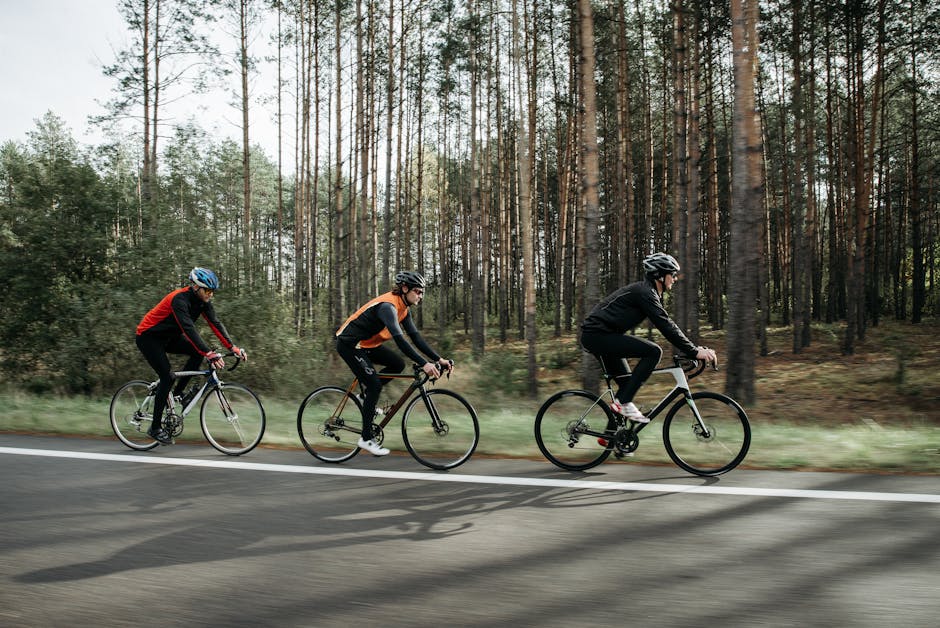
Road Cycling Guide for Building Confidence in Traffic and Group Rides with a Focus on Safety for Weekend Rides Leave a comment
Road Cycling Guide for Building Confidence in Traffic and Group Rides with a Focus on Safety for Weekend Rides
If you’re new to road cycling or returning after a break, navigating traffic and riding in groups can feel intimidating. This road cycling guide for building confidence in traffic and group rides with a focus on safety for weekend rides offers practical strategies to help you ride more comfortably and securely. Whether you’re commuting, training, or joining a local club ride, understanding road dynamics, communication signals, and group etiquette is essential. With the right preparation and mindset, you can transform anxiety into confidence—making every weekend ride enjoyable and safe.
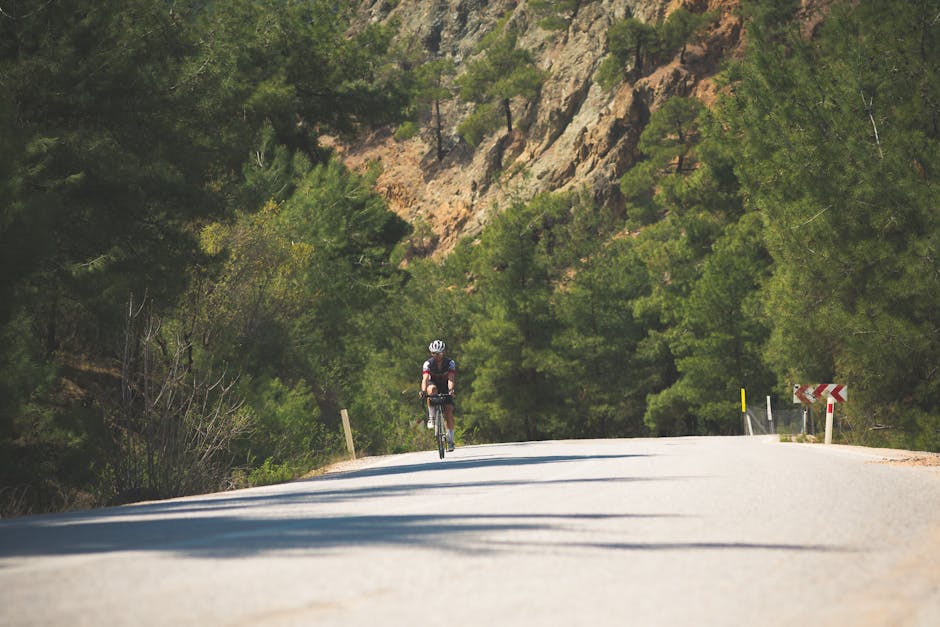
Why Confidence Matters on the Road
Confidence isn’t just about feeling good—it directly impacts your safety. Hesitation, uncertainty, or poor positioning can increase the risk of accidents, especially in busy traffic or fast-moving pelotons. When you’re confident, you make clearer decisions, anticipate hazards earlier, and communicate more effectively with other riders and drivers. Building this confidence starts with preparation, repetition, and understanding the environment you’re riding in.
Many riders avoid group rides or busy roads not because they lack fitness, but because they fear the unknown. Recognizing that this fear is common—and manageable—is the first step. Start small: practice in low-traffic areas, observe experienced riders, and gradually increase your exposure to more challenging conditions.
Essential Safety Gear for Weekend Road Rides
Before stepping onto the road, ensure your gear supports both safety and visibility. While a helmet is non-negotiable, several other items significantly reduce risk:
- Helmet: Must meet safety standards (CPSC, EN1078) and fit snugly without wobbling.
- Front and rear lights: Even during daylight, flashing LEDs increase visibility to drivers.
- High-visibility clothing: Bright colors or reflective elements help you stand out, especially in overcast or early morning conditions.
- Mirrors: Handlebar or helmet-mounted mirrors allow you to monitor traffic without turning your head, reducing blind spots.
- Bike maintenance: Regularly check brakes, tire pressure, and chain condition. A well-maintained bike responds predictably in emergencies.
One often-overlooked item is a rearview mirror. While not required, it gives you real-time awareness of vehicles approaching from behind—critical when deciding whether to merge or hold your lane.
Understanding Traffic Laws and Right-of-Way
Cyclists have the same rights and responsibilities as motorists in most jurisdictions. Knowing the rules helps you ride predictably and avoid conflicts.
Key principles include:
- Ride with traffic: Always move in the same direction as vehicles, not against it.
- Obey traffic signals: Stop at red lights and stop signs. Rolling through intersections is illegal and dangerous.
- Use bike lanes when available: But remain alert—doors opening from parked cars (“dooring”) are a common hazard.
- Signal turns and lane changes: Use hand signals (left arm straight out for left turn, left arm bent up for right turn, left arm down for stop) to communicate intentions.
- Yield appropriately: At four-way stops, yield to the vehicle that arrived first. If in doubt, yield to avoid confrontation.
A common mistake is assuming drivers see you. Never rely on eye contact alone. Make your movements deliberate and visible.
Positioning Yourself Safely in Traffic
Where you ride on the road affects how drivers interact with you. Proper positioning reduces the chance of being squeezed, passed too closely, or cut off.
In general, ride in the “door zone” only when necessary—typically 3 to 4 feet from parked cars to avoid sudden door openings. On narrow roads without bike lanes, take the lane (ride in the center of the rightmost lane) when:
- The lane is too narrow for a car and bike to share safely side by side.
- You’re preparing to turn left.
- You need to avoid hazards like potholes or debris.
Taking the lane may slow traffic slightly, but it prevents unsafe passing and asserts your right to the road. Drivers are more likely to wait behind you than attempt a risky overtake.
Avoid riding too far to the right, especially near intersections or driveways. This can lead to right-hook accidents, where a driver turns right across your path.
Mastering Group Ride Etiquette
Group rides offer camaraderie, motivation, and improved efficiency through drafting—but they require discipline and awareness. Whether you’re joining a casual weekend club ride or a structured training group, follow these guidelines:
- Ride predictably: Maintain a steady line and speed. Avoid sudden braking or swerving.
- Communicate clearly: Call out hazards (“Car back!” “Rock left!” “Slowing!”) and use hand signals.
- Maintain proper spacing: In a paceline, keep one to two bike lengths between you and the rider ahead. In a two-abreast formation, ensure you’re not extending into the opposite lane.
- Rotate smoothly: In rotating pacelines, pull through, ease off, and drift back without braking abruptly.
- Stay visible: Don’t hide behind other riders. Keep your front wheel ahead of the rear wheel of the rider in front to maintain visibility to traffic.
New riders often fear holding up the group. Remember: most organized rides welcome all levels. If you’re unsure, join a beginner-friendly ride or arrive early to discuss pace and expectations with the leader.
Communication Signals Every Cyclist Should Know
Verbal and non-verbal communication prevents misunderstandings and keeps everyone safe. Standard signals include:
| Signal | Meaning | When to Use |
|---|---|---|
| Pointing left | Turning left or indicating hazard on left | Before a left turn or when debris is on the left side of the road |
| Pointing right | Turning right or indicating hazard on right | Before a right turn or when a car is parked on the right |
| Patting hand downward | Slowing down | When reducing speed gradually |
| Pointing at ground | Hazard ahead (pothole, gravel, etc.) | When approaching road defects |
| “Car back!” | Vehicle approaching from behind | To alert riders not to swerve right |
| “Clear!” | Intersection or merge point is safe | When leading a group through an intersection |
Consistency is key. Use the same signals every time so other riders can anticipate your actions.
Building Confidence Through Practice
Confidence grows with experience. Start with low-pressure environments and gradually increase complexity:
- Week 1–2: Ride solo on quiet roads or bike paths. Practice signaling, scanning, and maintaining a straight line.
- Week 3–4: Join small group rides (3–5 riders) on low-traffic routes. Focus on communication and spacing.
- Week 5–6: Try a structured club ride with a designated leader. Observe how experienced riders handle intersections, hills, and traffic.
- Week 7+: Gradually tackle busier roads or longer weekend rides. Reflect after each ride: What went well? What could improve?
Consider taking a cycling safety course. Organizations like the League of American Bicyclists offer in-person and online training that covers traffic skills, group riding, and emergency maneuvers.
Common Mistakes and How to Avoid Them
Even experienced riders make errors. Being aware of common pitfalls helps you stay safe:
- Riding too close to the curb: This invites debris, grates, and dooring. Stay 3–4 feet from the edge unless passing.
- Not scanning ahead: Look 10–15 seconds down the road to anticipate turns, traffic lights, or hazards.
- Overestimating driver awareness: Assume drivers don’t see you until they yield or stop.
- Ignoring weather conditions: Rain reduces traction and visibility. Slow down, increase following distance, and avoid painted road markings.
- Poor bike fit: An uncomfortable position leads to fatigue and reduced control. Get a professional bike fit if you ride regularly.
One frequent issue is “freezing” in traffic—hesitating at an intersection or when merging. Practice makes this easier. Rehearse common scenarios in safe areas until they feel automatic.
Choosing the Right Weekend Ride
Not all group rides are created equal. Select one that matches your skill level and goals:
- Beginner rides: Typically 10–20 miles, flat terrain, no-drop policy (no one gets left behind), and frequent stops.
- Intermediate rides: 20–40 miles, moderate hills, rotating pacelines, and faster average speeds.
- Advanced rides: 40+ miles, challenging climbs, competitive pacing, and minimal support.
Check ride descriptions carefully. Look for keywords like “no-drop,” “sweep rider,” or “beginner-friendly.” If unsure, contact the ride leader beforehand to ask about pace, route, and expectations.
Local bike shops, cycling clubs, and apps like Strava or Meetup often list weekend group rides. Many offer introductory rides specifically for new members.
What to Do in an Emergency
Despite precautions, incidents can happen. Be prepared:
- Carry identification and emergency contacts: Include medical info (allergies, conditions) in your phone or on a bracelet.
- Know basic first aid: Learn how to treat cuts, sprains, and shock. A small first aid kit in your saddlebag is wise.
- Have a repair kit: At minimum, carry a spare tube, pump, tire levers, and multitool.
- Stay calm and assess: If involved in a collision, check for injuries, move to safety if possible, and call emergency services.
- Report incidents: Notify local authorities and, if applicable, your cycling club. Documentation helps with insurance or legal matters.
Even minor crashes can be traumatic. Give yourself time to recover physically and mentally before riding again.
Final Tips for Safe and Confident Weekend Rides
Confidence on the road isn’t built overnight—it’s earned through consistent, mindful practice. Focus on progress, not perfection. Each ride is an opportunity to improve your skills, awareness, and comfort level.
Remember: safety isn’t about avoiding all risk—it’s about managing it intelligently. Stay visible, ride predictably, communicate clearly, and respect both traffic laws and fellow riders. Over time, what once felt overwhelming will become second nature.
With this road cycling guide for building confidence in traffic and group rides with a focus on safety for weekend rides, you now have a clear roadmap. Start where you are, ride with intention, and enjoy the journey—one confident pedal stroke at a time.
FAQ
How can I overcome fear of riding in traffic?
Start with short rides on quiet roads, practice signaling and scanning, and gradually increase exposure. Riding with a trusted friend or joining a beginner group can also build confidence through shared experience.
Is it safe to ride in a group if I’m a beginner?
Yes, as long as you choose a no-drop ride designed for newcomers. Communicate your experience level to the leader, stay near the back initially, and focus on observing and following group signals.
What should I do if a driver yells or honks at me?
Stay calm and avoid confrontation. Most incidents stem from misunderstanding, not malice. Keep riding predictably, maintain your position, and report aggressive behavior to local authorities if necessary.
