
Road Cycling Guide for Choosing Routes, Gear, and Smart Training Goals with a Focus on Safety for Weekend Rides Leave a comment
Road Cycling Guide for Choosing Routes, Gear, and Smart Training Goals with a Focus on Safety for Weekend Rides
If you’re planning weekend road cycling trips, this guide delivers practical advice on selecting safe routes, choosing the right gear, and setting realistic training goals. Whether you’re a beginner or an experienced rider, prioritizing safety while enjoying scenic roads starts with smart preparation. This road cycling guide covers route planning tools, essential equipment checks, structured training tips, and safety protocols to help you ride confidently and return home injury-free. With clear steps and real-world examples, you’ll be ready to make the most of your weekend adventures.
How to Choose Safe and Enjoyable Road Cycling Routes
Selecting the right route is the foundation of a successful weekend ride. A good route balances scenery, distance, elevation, and—most importantly—safety. Avoid high-traffic roads whenever possible, especially those without bike lanes or wide shoulders. Instead, look for routes with low vehicle speeds, minimal intersections, and designated cycling paths.
Start by using reliable mapping tools. Apps like Komoot, Ride with GPS, and Strava Heatmap allow you to filter routes by surface type, elevation gain, and traffic volume. These platforms often include user reviews and photos, giving you a realistic preview of road conditions. For example, a 30-mile loop through rural Vermont might offer smooth pavement and gentle hills, while a similar distance in a metropolitan area could involve stop-and-go traffic and narrow lanes.
When evaluating a route, consider these factors:
- Traffic density: Aim for roads with fewer than 1,000 vehicles per day.
- Road surface: Paved, well-maintained roads reduce puncture risks and improve handling.
- Shoulder width: A minimum of 4 feet allows safe passing and emergency stopping.
- Elevation profile: Gradual climbs are safer and more sustainable than steep, short hills.
- Weather exposure: Avoid routes with frequent crosswinds or poor drainage.
Always preview your route in person or via street view before committing. A seemingly quiet road might have hidden hazards like potholes, gravel patches, or aggressive drivers. If possible, ride the route during the same time of day you plan to return—morning traffic patterns often differ significantly from afternoon ones.
Weekend Route Examples by Skill Level
Matching your route to your fitness and experience level prevents overexertion and reduces accident risk. Below are three sample routes tailored to different rider profiles:
| Skill Level | Distance | Elevation Gain | Recommended Route Type |
|---|---|---|---|
| Beginner | 10–15 miles | 200–400 ft | Flat, low-traffic roads with bike lanes |
| Intermediate | 20–35 miles | 500–1,000 ft | Rolling hills, moderate traffic, wide shoulders |
| Advanced | 40–70 miles | 1,200–2,500 ft | Challenging climbs, scenic byways, minimal traffic |
For instance, a beginner might enjoy a 12-mile ride along a riverside trail in Portland, Oregon, while an advanced cyclist could tackle the 55-mile Mount Tamalpais loop in California, known for its steep ascents and panoramic views. Always carry a printed map or offline GPS file in case of signal loss.
Essential Gear for Safe and Comfortable Weekend Rides
Your equipment directly impacts both performance and safety. Investing in quality gear doesn’t mean overspending—it means choosing items that enhance control, visibility, and comfort over long distances. Start with the basics and build from there.
Bicycle Selection and Maintenance
A road bike designed for endurance or sport touring is ideal for weekend rides. Look for a lightweight aluminum or carbon frame, drop handlebars for multiple hand positions, and tires between 25mm and 28mm wide for a balance of speed and comfort. Avoid hybrid or mountain bikes unless you’re riding on mixed terrain.
Before every ride, perform a quick safety check:
- Tires: Inflate to recommended PSI (usually printed on the sidewall). Check for cuts, bulges, or embedded debris.
- Brakes: Squeeze levers—pads should grip rims firmly without touching the tire.
- Chain: Should move smoothly; apply lubricant if it squeaks or skips.
- Quick releases: Ensure wheels and seat post are securely fastened.
- Headset and stem: No wobbling when rocking the bike side to side.
Carry a basic repair kit: spare tube, tire levers, mini pump or CO₂ inflator, multi-tool, and patch kit. A broken chain or flat tire can turn a scenic ride into a long walk home.
Safety and Visibility Equipment
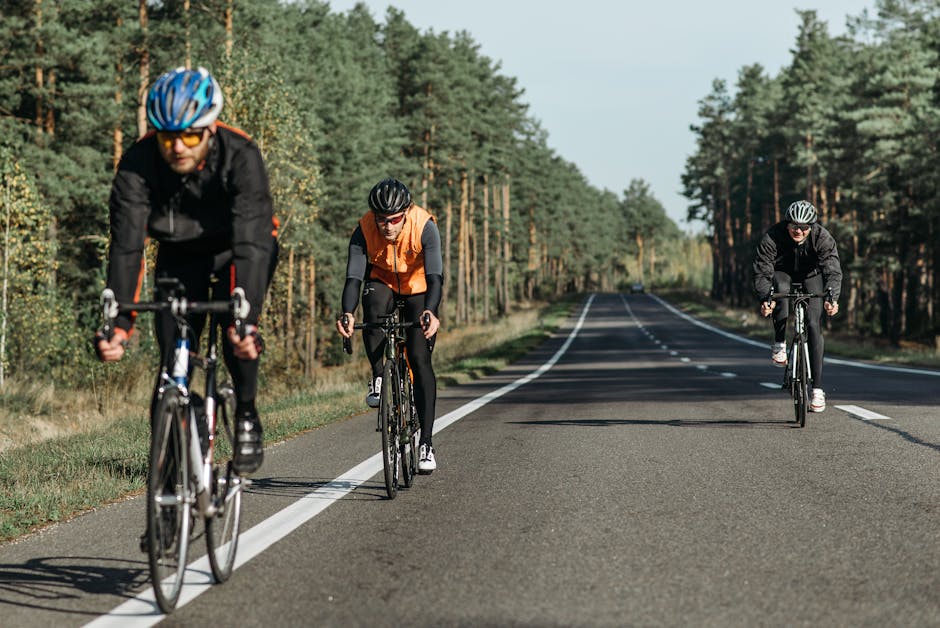
Visibility is critical, especially during early morning or late afternoon rides. Wear bright, reflective clothing—fluorescent yellow, orange, or green stands out best in daylight. Add reflective ankle bands and a rear blinking light, even on sunny days. Front lights are required by law in many regions and help you see potholes or debris.
Helmets are non-negotiable. Choose one that meets CPSC or EN 1078 safety standards and fits snugly without tilting forward or backward. Replace your helmet after any significant impact or every five years due to material degradation.
Other recommended gear includes:
- Gloves: Padded gloves reduce hand fatigue and improve grip.
- Eye protection: Cycling sunglasses shield against wind, insects, and UV rays.
- Clothing: Moisture-wicking jerseys and padded shorts prevent chafing.
- Hydration system: Two water bottles or a hydration pack for rides over 90 minutes.
For longer rides, consider a small saddlebag to store your phone, ID, cash, and repair kit. Keep your phone accessible but secure—use a handlebar mount with a weatherproof case.
Setting Smart Training Goals for Weekend Rides
Consistent training improves endurance, strength, and confidence—key for tackling longer or more challenging routes. However, setting unrealistic goals can lead to burnout or injury. Focus on progressive, measurable objectives that align with your schedule and fitness level.
Begin by assessing your current ability. Can you comfortably ride 15 miles at a steady pace? If not, start there. Use the SMART framework: Specific, Measurable, Achievable, Relevant, Time-bound. For example, instead of “I want to ride farther,” try “I will increase my weekend ride distance by 5 miles every two weeks for the next eight weeks.”
Structure your weekly training to include variety:
- Base rides: 1–2 longer, steady-paced rides per week to build endurance.
- Interval training: Short bursts of high effort (e.g., 30 seconds hard, 90 seconds easy) to boost speed and power.
- Hill repeats: Climb the same hill 4–6 times to improve strength and climbing technique.
- Recovery rides: Easy spins at low intensity to promote blood flow and reduce soreness.
Track your progress using a cycling app or journal. Note distance, average speed, heart rate (if using a monitor), and how you felt. Over time, you’ll see patterns—like improved stamina after consistent hill work or better recovery with proper rest days.
Avoid common pitfalls:
- Skipping warm-ups and cool-downs increases injury risk.
- Riding through pain can worsen minor issues into serious injuries.
- Neglecting rest leads to overtraining and decreased performance.
Cross-training with strength exercises, yoga, or swimming supports cycling fitness. Focus on core strength, hip flexibility, and leg power. Even 20 minutes of bodyweight exercises twice a week can improve stability and pedaling efficiency.
Safety Protocols for Weekend Road Cycling
Safety isn’t optional—it’s essential. Weekend rides often take you farther from home, into unfamiliar areas, and during times when traffic may be heavier. Follow these protocols to minimize risk.
Ride Defensively
Assume drivers don’t see you. Make eye contact at intersections, use hand signals for turns and stops, and ride predictably—no sudden swerves. Position yourself in the lane to claim your space, especially on narrow roads. This is known as “taking the lane” and prevents unsafe passing.
Watch for common hazards:
- Dooring: Leave a 3–4 foot buffer when passing parked cars.
- Gravel or debris: Scan the road ahead and slow down before crossing.
- Railroad tracks: Cross at a 90-degree angle to avoid wheel catch.
- Wet leaves or manhole covers: These become slippery when wet—avoid or dismount.
Group Riding Etiquette
Riding with others increases safety through visibility and support, but requires coordination. In a group, ride single file on busy roads and double file only where legal and safe. Call out hazards verbally: “Car back,” “Rock right,” “Slowing.” Rotate the lead position to share wind resistance.
Establish a buddy system. Never ride alone on remote routes. Share your planned route and expected return time with someone at home. Carry identification and emergency contact information.
Weather and Emergency Preparedness
Check the forecast before heading out. Avoid riding in heavy rain, high winds, or extreme heat. If storms develop, seek shelter immediately—lightning is a serious threat on open roads.
Carry a basic first-aid kit: bandages, antiseptic wipes, and blister treatment. Know how to use it. In case of injury, call emergency services and stay with your bike for visibility.
If you’re stranded due to mechanical failure, stay with your bike. It’s easier for rescuers to spot a stationary bike than a person walking along the roadside. Use your phone to share your GPS location if help is needed.
Final Tips for a Successful Weekend Ride
Preparation is the key to enjoying your weekend rides. Start with a solid route plan, ensure your gear is in top condition, and train consistently with clear goals. Always prioritize safety—your well-being matters more than reaching a destination.
Remember to fuel properly. Eat a light meal 1–2 hours before riding, and consume 30–60 grams of carbohydrates per hour during long rides. Bananas, energy bars, and sports drinks are convenient options.
After your ride, cool down with a 10-minute easy spin and stretch your hamstrings, quads, and hips. Refuel within 45 minutes with a mix of protein and carbs to aid recovery.
Finally, reflect on each ride. What went well? What could be improved? Use these insights to refine your next adventure. Over time, you’ll build confidence, endurance, and a deeper connection to the road.
FAQ
What’s the best way to find safe cycling routes in my area?
Use apps like Komoot or Ride with GPS to filter routes by traffic, surface, and elevation. Look for user reviews and photos. Local cycling clubs often publish recommended routes and group ride schedules—join one to learn from experienced riders.
How often should I maintain my road bike?
Perform a quick safety check before every ride. Deep maintenance—cleaning the drivetrain, checking brake pads, and inspecting cables—should be done every 300–500 miles or monthly, whichever comes first. Replace tires when tread wears down or cracks appear.
Can I improve my cycling fitness without riding every day?
Yes. Two to three quality rides per week, combined with strength training and proper recovery, can lead to significant gains. Focus on consistency and progressive overload—gradually increasing distance or intensity over time.
