
Electric Bicycle Advice That Helps Cyclists Ride Farther with Less Effort—Safely Leave a comment
Electric Bicycle Advice That Helps Cyclists Ride Farther with Less Effort—Safely
If you’re looking for electric bicycle advice that helps cyclists ride farther with less effort while staying safe on weekend rides, you’re in the right place. E-bikes combine pedal power with motor assistance, making longer distances and hilly terrain more accessible. But to truly benefit, you need the right setup, smart riding habits, and a focus on safety. This guide covers practical tips to maximize range, reduce fatigue, and ensure every weekend ride is enjoyable and secure—whether you’re commuting, exploring trails, or cruising through the countryside.
How E-Bikes Extend Your Range Without Extra Strain
Electric bicycles are designed to assist your pedaling, not replace it. The motor kicks in when you pedal, providing a boost that reduces physical effort. Most e-bikes offer multiple assistance levels—Eco, Tour, Sport, and Turbo—each delivering different amounts of power. Using lower assistance modes conserves battery and extends range, while higher modes help on steep climbs or headwinds.
For example, a typical 500Wh battery can deliver 50–100 km (30–60 miles) on a single charge, depending on terrain, rider weight, tire pressure, and assist level. Riding in Eco mode on flat roads with properly inflated tires can push your range toward the upper end. In contrast, frequent use of Turbo mode on hills may cut that distance in half.
Key Factors That Affect How Far You Can Ride
- Battery capacity: Measured in watt-hours (Wh), higher numbers mean longer range. A 400Wh battery is adequate for short trips; 625Wh or more suits longer weekend adventures.
- Assist level: Lower settings use less power. Reserve high assist for hills or strong winds.
- Tire pressure: Underinflated tires increase rolling resistance. Check pressure weekly—aim for the PSI listed on the tire sidewall.
- Weight: Heavier loads (rider + gear) drain the battery faster. Pack light when possible.
- Terrain: Hills and rough surfaces require more motor power. Plan routes with elevation in mind.
Smart Riding Techniques to Reduce Effort
Efficient riding isn’t just about the bike—it’s about how you use it. Small adjustments in technique can significantly reduce fatigue and extend your ride.
Pedal Smoothly and Shift Gears Early
Most e-bikes have derailleur or hub gears. Shift to a lower gear before you start climbing, rather than struggling uphill in a high gear. This reduces strain on your legs and the motor. Maintain a steady cadence (60–80 RPM) to keep the motor engaged efficiently.
Use Momentum Wisely
Build speed on flat sections before approaching a hill. The motor doesn’t need to work as hard if you’re already moving. Similarly, coasting downhill allows the battery to recover slightly through regenerative braking (on select models).
Avoid Sudden Accelerations
Rapid starts drain the battery quickly. Instead, ease into pedaling and let the motor assist gradually. This also improves control, especially on wet or uneven surfaces.
Safety Essentials for Weekend E-Bike Rides
Safety should always come first, especially on longer rides where fatigue and unfamiliar routes can increase risk. Weekend cyclists often venture beyond city limits, where traffic patterns, road conditions, and weather can vary.
Wear Proper Gear
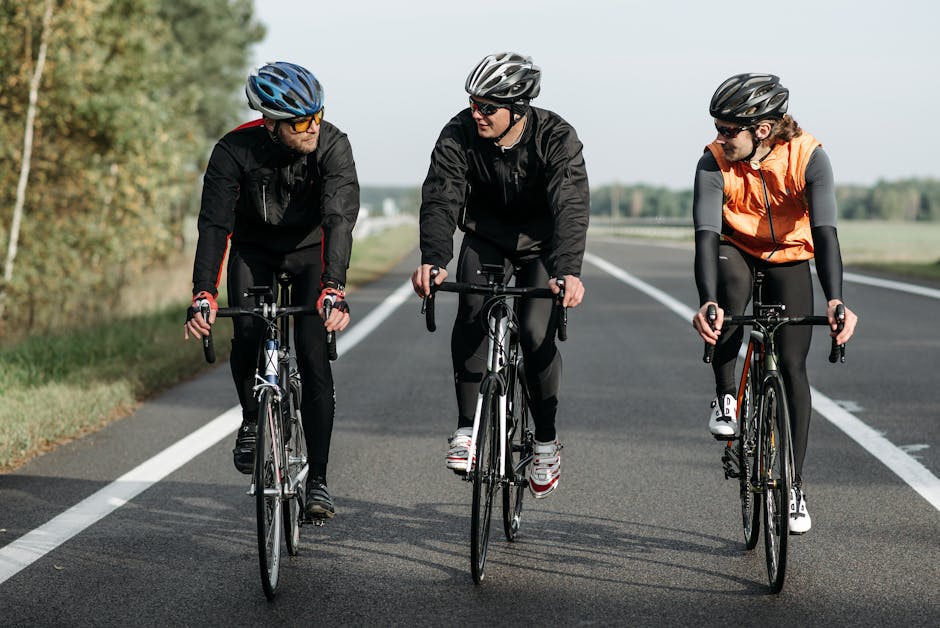
A helmet is non-negotiable. Choose one that fits snugly and meets safety standards (look for CPSC, EN1078, or similar certification). Bright clothing or reflective elements improve visibility, particularly during early morning or evening rides.
Consider padded gloves for comfort and grip, and eye protection to shield against wind, insects, and debris. If riding in cooler weather, layer clothing to regulate body temperature and avoid overheating during exertion.
Check Your Bike Before Every Ride
A pre-ride inspection takes five minutes but prevents many common issues:
- Tires: Look for cuts, embedded objects, and proper inflation.
- Brakes: Squeeze levers to ensure pads grip firmly. Listen for squealing or grinding.
- Chain and drivetrain: Should be clean and lubricated. A dry chain increases resistance.
- Lights: Front and rear lights are essential for visibility, even in daylight.
- Battery: Ensure it’s charged and securely mounted.
Be Visible and Predictable
Use front and rear lights during all rides, not just at night. Flashing modes increase attention from drivers. Signal turns clearly and check blind spots before changing lanes or merging.
Ride in the same direction as traffic, obey traffic signals, and avoid sidewalks unless permitted. On multi-use paths, announce your presence with a bell or voice when passing pedestrians or other cyclists.
Choosing the Right E-Bike for Longer Rides
Not all e-bikes are built for distance and comfort. If weekend adventures are your goal, prioritize these features:
Frame and Geometry
Step-through frames offer easier mounting and dismounting, ideal for casual riders or those with limited mobility. Traditional diamond frames provide rigidity and efficiency for longer distances. Test ride both to see which feels more natural.
Motor Type and Placement
Mid-drive motors (located near the pedals) offer better weight distribution and efficiency, especially on hills. Hub motors (in the front or rear wheel) are simpler and often cheaper but can feel unbalanced on steep terrain.
Suspension and Comfort
Front suspension forks absorb bumps on gravel or uneven pavement. Full suspension is rare on e-bikes but available on high-end models for trail riding. For road and light trail use, a suspension seatpost or ergonomic saddle can reduce fatigue.
Battery and Charging
Look for removable batteries for easy charging. Some models allow dual batteries for extended range. Charging time typically ranges from 3 to 6 hours. Keep a charger at home and consider a portable option if you plan to top up during long stops.
Planning Your Weekend Route for Maximum Enjoyment
A well-planned route enhances safety and reduces unexpected challenges. Use mapping tools like Google Maps (set to cycling mode), Komoot, or Ride with GPS to find bike-friendly paths.
Avoid High-Traffic Roads When Possible
Choose routes with bike lanes, trails, or low-speed residential streets. Even a slightly longer path with less traffic is often safer and more relaxing.
Check Elevation Profiles
Steep climbs drain batteries quickly. Use route planners that show elevation changes. If a hill looks too demanding, look for an alternate path or plan to walk the bike briefly.
Identify Charging and Rest Stops
On rides over 60 km, note cafes, parks, or bike shops where you can rest or recharge. Some public libraries and community centers offer free charging stations.
Maintaining Your E-Bike for Consistent Performance
Regular maintenance ensures your e-bike runs efficiently and safely. Neglect can lead to reduced range, mechanical failures, or accidents.
Monthly Checks
- Lubricate the chain every 200–300 km or after wet rides.
- Clean the motor and battery contacts with a dry cloth.
- Inspect brake pads for wear—replace if thinner than 1mm.
- Tighten bolts on handlebars, seat post, and wheels.
Seasonal Care
In winter, store the battery indoors when not in use—cold temperatures reduce performance. In wet climates, rinse the bike after muddy rides and dry thoroughly to prevent rust.
Have a professional service your e-bike annually, especially the motor, drivetrain, and electrical connections.
Common Mistakes to Avoid
Even experienced cyclists make errors that reduce efficiency or compromise safety.
Riding in the Wrong Assist Mode
Using Turbo mode on flat roads wastes battery. Match the assist level to the terrain: Eco for flats, Tour for mixed routes, Sport or Turbo for hills.
Ignoring Tire Maintenance
Flat or underinflated tires increase rolling resistance by up to 50%. Check pressure weekly and replace worn tires promptly.
Overloading the Bike
Most e-bikes have a weight limit of 100–120 kg (220–265 lbs), including rider and cargo. Exceeding this can damage the motor, frame, or brakes.
Skipping the Pre-Ride Check
A loose brake or dying battery can turn a fun ride into a dangerous situation. Always inspect your bike before heading out.
Electric Bicycle Advice That Helps Cyclists Ride Farther with Less Effort: Key Takeaways
The best electric bicycle advice that helps cyclists ride farther with less effort centers on smart usage, proper maintenance, and safety awareness. Use lower assist modes on flat terrain, maintain tire pressure, and shift gears early to conserve energy. Always wear a helmet, use lights, and follow traffic rules. Choose an e-bike with a quality motor, sufficient battery capacity, and comfortable geometry for longer rides. Plan your routes to avoid heavy traffic and steep climbs when possible. With these strategies, weekend rides become more enjoyable, less tiring, and significantly safer.
FAQ
How far can I really ride on a single charge?
Most e-bikes achieve 50–100 km (30–60 miles) per charge, depending on battery size, assist level, terrain, and rider weight. Eco mode on flat roads with proper tire pressure maximizes range.
Is it safe to ride an e-bike in the rain?
Yes, most e-bikes are water-resistant and safe in light rain. Avoid deep puddles or submerging the motor or battery. Dry the bike after riding and check electrical connections regularly.
Can I pedal an e-bike if the battery dies?
Absolutely. E-bikes function like regular bicycles when the battery is dead, though they are heavier. You’ll need to pedal harder, especially uphill, but you can still reach your destination.
Related keywords: Electric bicycle advice that helps cyclists ride farther with less effort with a focus on safety for weekend rides.
