
Complete Bicycle Buying Guide for Choosing the Right Bicycle Wheels for First-Time Buyers Leave a comment
Complete Bicycle Buying Guide for Choosing the Right Bicycle Wheels for First-Time Buyers
Choosing the right bicycle wheels is one of the most important decisions for first-time buyers, especially when navigating city streets. The wheels directly affect how your bike handles, accelerates, and responds to road conditions like potholes, curbs, and wet pavement. A complete bicycle buying guide for choosing the right bicycle wheels must consider wheel size, tire type, durability, and overall ride comfort. This guide walks you through the essentials so you can make a confident, informed choice—whether you’re commuting daily or riding for leisure through urban environments.
Why Wheel Choice Matters for City Riding
City streets present unique challenges: uneven pavement, frequent stops, debris, and tight turns. The wheels on your bicycle are your first line of defense against these obstacles. Unlike off-road or racing bikes, city bikes need wheels that balance speed, stability, and shock absorption. A poor wheel choice can lead to a rough ride, frequent flats, or poor control in traffic.
For example, a 26-inch wheel may feel sluggish in stop-and-go traffic, while a 700c wheel—common on road bikes—might be too narrow and prone to punctures on rough city roads. First-time buyers often overlook wheel compatibility with their frame and intended use, which can result in an uncomfortable or unsafe riding experience.
Understanding Bicycle Wheel Sizes
Wheel size is measured in inches or millimeters and refers to the diameter of the rim. The most common sizes for city and commuter bikes are 26-inch, 27.5-inch (650b), 700c (29-inch), and 20-inch (folding bikes). Each size has distinct advantages depending on your height, riding style, and city terrain.
Common Wheel Sizes and Their City Use Cases
- 700c (29-inch): Ideal for taller riders and longer commutes. Offers a smooth ride over small bumps and maintains speed well. Common on hybrid and road bikes. Best for paved streets with minimal debris.
- 27.5-inch (650b): A middle ground between agility and stability. Great for riders who want a responsive feel without sacrificing comfort. Often found on modern hybrid and urban adventure bikes.
- 26-inch: Traditional size for mountain and older hybrid bikes. Slightly more maneuverable but can feel slower on pavement. Still a solid choice for shorter riders or those carrying heavy loads.
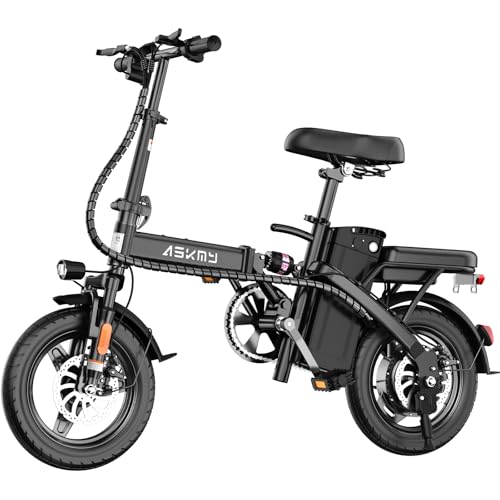
- 20-inch: Used primarily on folding bikes. Highly portable and agile in traffic, but less stable at higher speeds and over rough surfaces. Best for short urban trips.
When selecting a wheel size, consider your height and inseam. A bike shop can help you find the right frame size, but wheel compatibility is equally important. For example, a small-frame bike with 700c wheels may have limited tire clearance, restricting your ability to use wider, more comfortable tires.
Tire Width and Tread: Balancing Speed and Grip
Once you’ve chosen a wheel size, tire width becomes the next critical factor. Wider tires (32mm to 42mm) offer better cushioning and grip on uneven city streets, while narrower tires (23mm to 28mm) prioritize speed and efficiency on smooth pavement.
Recommended Tire Widths for City Riding
| Tire Width | Best For | Pros | Cons |
|---|---|---|---|
| 23–25mm | Smooth roads, fast commuting | Low rolling resistance, lightweight | Poor comfort on rough surfaces, higher puncture risk |
| 28–32mm | Mixed city conditions | Good balance of speed and comfort | Slightly heavier than narrow tires |
| 35–42mm | Rough pavement, potholes, gravel paths | Excellent shock absorption, stable handling | Increased rolling resistance, may not fit all frames |
For most city riders, a 32mm to 38mm tire offers the best compromise. It provides enough cushion for potholes and tram tracks while maintaining reasonable speed. Look for tires with a smooth or lightly patterned tread—these reduce noise and improve efficiency on pavement.
Rim Material and Durability
Rims are typically made from aluminum or carbon fiber. For city riding, aluminum is the clear winner due to its durability, affordability, and resistance to impact damage.
- Aluminum rims: Lightweight, strong, and corrosion-resistant. Most city bikes use double-wall aluminum rims, which are thicker and better at absorbing shocks.
- Carbon fiber rims: Found on high-end road bikes. Lighter and stiffer, but more expensive and prone to cracking from sharp impacts—less ideal for city debris.
Avoid single-wall rims on budget bikes; they’re more likely to bend or crack under stress. Check the rim’s spoke count—32 or 36 spokes provide better strength and load capacity, especially if you carry a backpack or panniers.
Spokes and Hub Quality
Spokes connect the rim to the hub and must withstand constant tension and road vibrations. Stainless steel spokes are standard and reliable. Look for butted spokes (thinner in the middle) for reduced weight without sacrificing strength.
The hub is the center of the wheel and houses the bearings. Sealed cartridge bearings are preferred for city bikes because they resist dirt and moisture. Avoid loose-ball bearings on budget models—they require frequent maintenance and wear out faster in wet conditions.
For commuters, consider hubs with built-in generators for lights or internal gear hubs (like Shimano Nexus or Alfine). These reduce maintenance and improve reliability in all weather.
Handling and Stability on City Streets
Handling refers to how predictably and responsively your bike turns and reacts to input. Wheel choice plays a major role. Wider tires and lower tire pressure increase grip and comfort but can make the bike feel sluggish. Narrower tires feel quicker but transmit more road vibration.
Wheelbase—the distance between the front and rear axles—also affects handling. A longer wheelbase (common with larger wheels) improves stability at speed but reduces agility. A shorter wheelbase makes the bike more nimble in traffic but can feel twitchy.
For city riding, prioritize stability without sacrificing maneuverability. A 700c wheel with a 35mm tire on a medium-wheelbase frame offers a sweet spot for most riders. Test ride different bikes to feel the difference in responsiveness.
Common Mistakes First-Time Buyers Make
- Ignoring tire clearance: Buying a bike with wheels that don’t allow for wider tires limits future upgrades and comfort.
- Choosing style over function: Flashy wheels or deep-section rims may look fast but offer no benefit—and can be dangerous—on city streets.
- Overlooking maintenance needs: Cheap hubs and rims may save money upfront but cost more in repairs and replacements.
- Not matching wheels to riding conditions: A road bike with 23mm tires is ill-suited for a city with potholes and gravel.
How to Choose the Right Wheels: A Step-by-Step Checklist
- Assess your typical route: Note pavement quality, hills, traffic density, and weather. Rough roads demand wider tires and durable rims.
- Determine your height and inseam: This helps select the correct frame and compatible wheel size.
- Choose a wheel size based on use: 700c for speed and distance, 27.5-inch for balance, 26-inch for load capacity, 20-inch for portability.
- Select tire width for comfort and grip: 32–38mm is ideal for most city riders.
- Check rim and hub quality: Aluminum double-wall rims and sealed hubs are must-haves.
- Test ride before buying: Pay attention to how the bike handles at low speeds, over bumps, and during turns.
- Consider future upgrades: Ensure the frame allows for wider tires or different wheelsets if needed.
Recommended Wheel and Tire Combinations for City Riding
Here are three proven setups based on common city riding scenarios:
- Daily Commuter (10–15 miles, mixed pavement): 700c wheels with 35mm puncture-resistant tires (e.g., Schwalbe Marathon Plus). Aluminum double-wall rims, 32 spokes, sealed hubs.
- Short Urban Trips (under 5 miles, smooth roads): 27.5-inch wheels with 32mm slick tires. Lightweight rims, 28–32 spokes. Ideal for folding or compact city bikes.
- Rough City or Gravel Paths: 26-inch or 700c wheels with 40–42mm treaded tires. Reinforced rims, 36 spokes, high-volume tires for cushioning.
Maintenance Tips to Keep Your Wheels Rolling
Even the best wheels need care. Follow these tips to extend their life and maintain handling:
- Check tire pressure weekly: Underinflated tires increase rolling resistance and risk pinch flats. Use a gauge and follow the PSI range on the tire sidewall.
- Inspect tires for cuts and wear: Replace tires with worn tread or visible cords.
- True the wheels if they wobble: A bike shop can adjust spoke tension to straighten a bent rim.
- Lubricate hub bearings annually: Or replace sealed cartridges as needed.
- Clean rims and brakes: Dirt buildup reduces braking efficiency, especially in wet weather.
Final Thoughts: Making the Right Choice
A complete bicycle buying guide for choosing the right bicycle wheels must emphasize real-world performance over specs alone. For first-time buyers, the goal is a wheel setup that feels confident, comfortable, and reliable on everyday city streets. Focus on durability, tire width, and compatibility with your riding style. Avoid cutting corners on rim and hub quality—these components take a beating in urban environments. With the right wheels, your bike becomes a smooth, responsive extension of your commute, not a source of frustration.
FAQ
What tire width is best for city riding?
For most city conditions, a tire width between 32mm and 38mm offers the best balance of comfort, grip, and efficiency. Wider tires absorb bumps better, while narrower ones roll faster on smooth pavement.
Can I upgrade my bike’s wheels later?
Yes, but only if your frame and fork have enough clearance for larger rims and tires. Check with a bike mechanic before making changes, especially if switching wheel sizes.
Are carbon wheels worth it for city bikes?
Generally, no. Carbon wheels are lighter and stiffer but more fragile and expensive. Aluminum wheels are more durable and better suited to the impacts and debris common on city streets.
Related keywords: Complete bicycle buying guide for choosing the right bicycle wheels for first-time buyers with a focus on handling for city streets.
