
Detailed Bicycle Buying Advice for Riders Comparing Comfort, Fit, and Value with a Focus on Safety for City Streets Leave a comment
Detailed Bicycle Buying Advice for Riders Comparing Comfort, Fit, and Value with a Focus on Safety for City Streets
Choosing the right bicycle for city riding means balancing comfort, proper fit, and long-term value—all while prioritizing safety in traffic-heavy environments. Whether you’re commuting daily, running errands, or exploring urban trails, a well-chosen bike can make your ride smoother, safer, and more enjoyable. This guide offers detailed bicycle buying advice for riders comparing comfort, fit, and value with a focus on safety for city streets, helping you avoid common pitfalls and select a model that truly meets your needs.
Why Safety Should Be Your Top Priority
City streets present unique hazards: stop-and-go traffic, pedestrians, potholes, and unpredictable drivers. A bike designed with safety in mind reduces your risk and increases confidence. Look for features like reliable brakes, reflective elements, integrated lighting, and stable handling. Avoid ultra-lightweight road bikes with aggressive geometry—they may be fast, but they’re often less stable at low speeds and offer limited visibility in traffic.
Disc brakes, especially hydraulic ones, provide consistent stopping power in wet or crowded conditions. Rim brakes, while adequate in dry weather, can struggle when roads are slick. If you’re riding year-round in a rainy climate, disc brakes are worth the investment.
Visibility is another critical factor. Choose a bike with built-in reflectors or plan to add high-lumen front and rear lights. Bright clothing and reflective accessories help, but a well-lit bike ensures you’re seen even when you’re not wearing high-vis gear.
Finding the Right Fit: More Than Just Frame Size
A bike that fits poorly leads to discomfort, reduced control, and increased injury risk. Fit affects everything from pedaling efficiency to your ability to react quickly in traffic. Start with frame size, but don’t stop there.
Most manufacturers provide size charts based on height, but these are starting points. Visit a local bike shop for a professional fitting if possible. A fitter will assess your inseam, torso length, arm reach, and flexibility to recommend the right frame and adjust components like saddle height and handlebar position.
For city riding, an upright riding position is generally safer and more comfortable. It improves visibility, reduces strain on your neck and back, and allows quicker reactions. Step-through frames are especially helpful for riders who wear skirts, suits, or prefer easy mounting and dismounting.
Handlebar width and stem length also matter. Wider handlebars offer better control in tight spaces, while a shorter stem improves maneuverability. If you’re between sizes, opt for the smaller frame with a longer stem rather than a larger frame that forces you to stretch too far.
Comfort: The Key to Consistent Riding
Comfort isn’t a luxury—it’s essential for regular use. A bike that hurts after 15 minutes won’t get ridden. City roads are rarely smooth, so shock absorption matters. Look for features like wider tires (at least 28mm, ideally 32–38mm), suspension seatposts, or frames made from materials that naturally dampen vibrations, such as steel or carbon fiber.
Tire pressure plays a big role. Lower pressure increases comfort and grip but can increase rolling resistance. Find a balance: inflate tires to the lower end of the recommended range for a smoother ride without sacrificing too much speed.
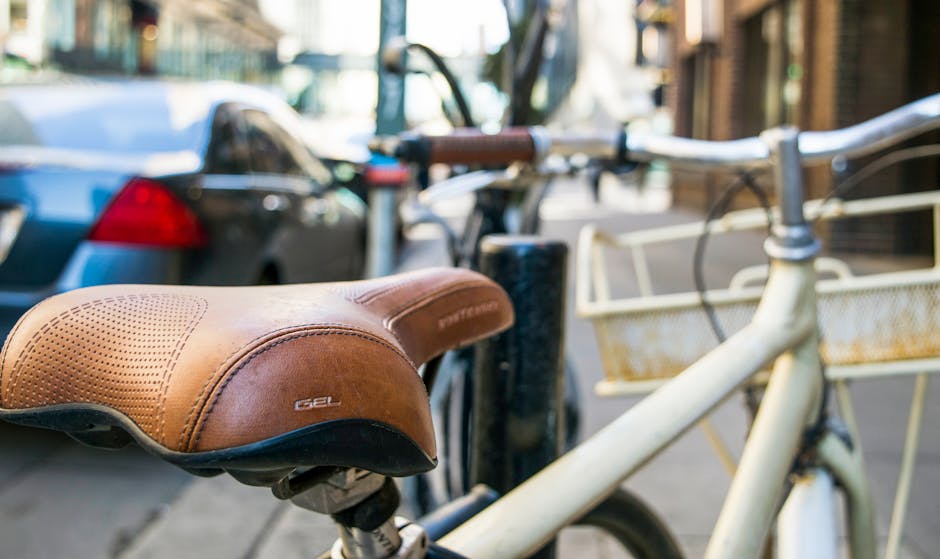
The saddle is often the first point of discomfort. Gel padding feels nice initially but can compress over time, leading to pressure points. Look for saddles with cutouts or ergonomic shaping that relieves pressure on soft tissues. Women-specific saddles often have wider rear sections to match pelvic anatomy.
Grips and handlebar tape should be cushioned but not overly soft. Lock-on grips prevent slipping, and ergonomic shapes reduce hand fatigue on longer rides.
Value: What You’re Really Paying For
Bikes range from under $300 to over $5,000. While premium models offer advanced materials and components, you don’t need to spend a fortune for a safe, reliable city bike. Focus on value—what you get for your money over time.
Entry-level bikes often use heavier frames and lower-tier components that wear faster. Mid-range bikes ($600–$1,200) typically offer the best balance: durable frames, decent gears, and serviceable brakes. Look for brands like Trek, Giant, Specialized, or Cannondale, which offer strong warranties and widespread dealer support.
Avoid “department store” bikes. They may look similar to name-brand models, but they often use inferior parts, poor-quality welds, and non-standard components that are hard to repair. These bikes may save money upfront but cost more in maintenance and safety risks.
Consider total cost of ownership. A $800 bike with a belt drive and internal gear hub may cost more initially but requires far less maintenance than a $600 bike with a chain and derailleur. If you ride daily, those savings add up.
Essential Features for City Riding
Not all bikes are built for urban environments. Here are features to prioritize:
- Fenders: Keep you dry and clean in wet weather. Full-coverage fenders are best for rain.
- Rack mounts: Allow you to carry bags, groceries, or a child seat without a backpack.
- Chain guard or belt drive: Protects your clothes from grease and reduces maintenance.
- Internal gear hub: Enclosed gears resist dirt and require less tuning than derailleurs.
- U-lock compatibility: Ensure the frame has space to secure a U-lock without removing wheels.
These features may not be standard, but many city bikes offer them as options or include them in complete builds. If you plan to ride in all weather or carry loads, they’re worth the extra cost.
Types of Bikes Best Suited for City Streets
Different bike types serve different city riding needs. Here’s how they compare:
Hybrid Bikes
The most popular choice for urban riders. Hybrids blend road bike speed with mountain bike stability. They have flat handlebars, medium-width tires, and often come with mounts for racks and fenders. Ideal for commuting, fitness, and casual rides.
City Bikes (or Urban Bikes)
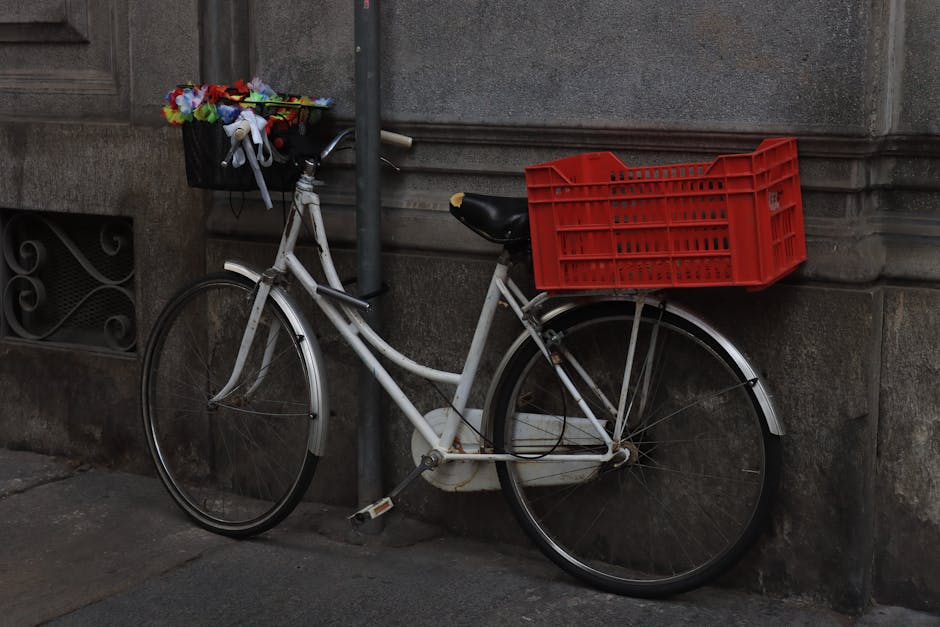
Designed specifically for city use. They emphasize comfort, upright posture, and practicality. Many include built-in lights, chain guards, and internal hubs. Examples include the Gazelle CityZen or the Linus Roadster.
Electric Bikes (E-Bikes)
Great for longer commutes or hilly cities. E-bikes assist your pedaling, reducing fatigue and extending range. Look for models with torque sensors (which respond to how hard you pedal) rather than just cadence sensors. Ensure the motor is legal in your area—many cities limit power to 250W and speed to 20 mph.
Folding Bikes
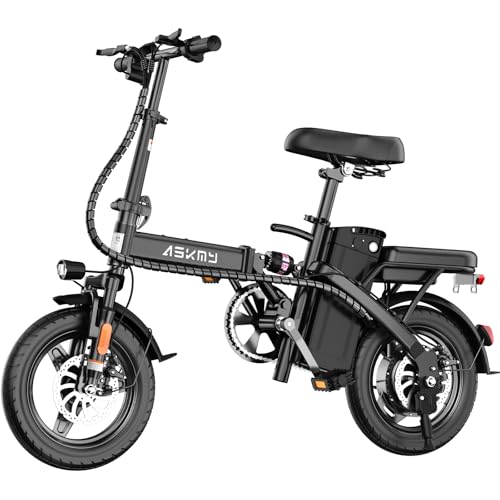
Perfect for mixed-mode commuting (bike + train/bus). They’re compact and easy to store but may sacrifice ride quality due to small wheels. Test ride before buying—some feel unstable at speed.
Single-Speed and Fixed-Gear Bikes
Simple and low-maintenance, but only suitable for flat areas and short distances. Fixed-gear bikes (where the pedals move when the wheels do) offer no freewheel, making them risky in traffic. Not recommended for beginners or hilly cities.
Test Riding: The Only Way to Know
Never buy a bike without riding it. A test ride reveals issues that specs alone can’t show: how the bike handles at low speed, whether the gears shift smoothly, and if the brakes feel confident.
When test riding, simulate real conditions. Ride on uneven pavement, make quick stops, and try turning in tight spaces. Pay attention to how the bike responds when you’re not pedaling—does it track straight, or does it wobble?
If buying online, choose retailers with generous return policies. Some brands, like Canyon or Rad Power Bikes, offer 30-day test periods. Even then, have a local mechanic inspect the bike upon delivery.
Maintenance and Long-Term Safety
A safe bike is a maintained bike. Even the best models need regular care. Create a basic maintenance routine:
- Weekly: Check tire pressure and look for cuts or embedded debris.
- Monthly: Inspect brake pads for wear and ensure bolts are tight.
- Every 3–6 months: Clean and lubricate the chain, check gear shifting, and true the wheels if needed.
- Annually: Have a professional tune-up, especially before winter.
Worn brake pads, loose spokes, or a stretched chain can compromise safety. Keep spare tubes, a multi-tool, and a mini pump with you on rides.
Learn basic repairs: fixing a flat, adjusting brakes, and replacing a chain. Many community bike shops offer free or low-cost workshops.
Budgeting and Where to Buy
Set a realistic budget. For a reliable, safe city bike, expect to spend at least $600. Add $100–$200 for essential accessories: helmet, lock, lights, and possibly a rack or panniers.
Buy from a reputable bike shop, not a big-box retailer. Local shops provide assembly, fitting, and ongoing support. They’re more likely to stand behind their products and offer free adjustments.
Check for manufacturer rebates or city bike incentives. Some municipalities offer vouchers for e-bike purchases or free bike fittings. Employers may also have commuter benefits that cover bike costs.
Final Checklist Before You Buy
Before making a purchase, confirm the following:
- The frame size matches your body proportions.
- The riding position feels natural and allows you to see traffic clearly.
- Brakes stop the bike confidently without excessive lever pull.
- Tires are wide enough for city roads and rated for puncture resistance.
- The bike has mounts for fenders, racks, and water bottles.
- You’ve test-ridden it in conditions similar to your daily route.
- The brand offers a solid warranty and local service support.
Conclusion
Investing in the right bicycle means more than just picking a stylish model—it’s about choosing a safe, comfortable, and reliable partner for your daily rides. With detailed bicycle buying advice for riders comparing comfort, fit, and value with a focus on safety for city streets, you can make a confident decision that supports your lifestyle and keeps you protected on the road. Prioritize fit and safety features, test ride thoroughly, and choose a bike built for the realities of urban cycling. The right bike won’t just get you from point A to B—it will make the journey better.
FAQ
What’s the most important safety feature on a city bike?
Reliable brakes are the most critical safety feature. Disc brakes, especially hydraulic ones, offer consistent stopping power in wet or stop-and-go traffic, making them ideal for city riding.
Can I use a road bike for city commuting?
Yes, but with caveats. Road bikes are fast and efficient but often have aggressive geometry, narrow tires, and limited mounting options. They’re less stable at low speeds and offer poorer visibility, so they’re not ideal for heavy traffic or poor road conditions.
How much should I spend on a city bike?
Aim for $600–$1,200 for a safe, durable city bike with good components and serviceability. Avoid very cheap bikes, which often use low-quality parts that compromise safety and longevity.
