
Practical Cycling Tips to Improve Comfort, Balance, and Confidence on City Streets Leave a comment
Practical Cycling Tips to Improve Comfort, Balance, and Confidence on City Streets
Navigating city streets on a bicycle can be both exhilarating and intimidating—especially if you’re not yet comfortable with your ride. The good news? A few practical cycling tips can dramatically improve your comfort, balance, and confidence. Whether you’re commuting to work, running errands, or exploring your neighborhood, getting the right bike fit and mastering essential techniques makes all the difference. This guide focuses on real-world adjustments and skills tailored for urban environments, helping you ride smoother, safer, and with greater ease from your very next trip.
Why Bike Fit Matters Most in Urban Riding
One of the most overlooked aspects of city cycling is proper bike fit. Unlike long-distance or off-road riding, urban cycling involves frequent stops, quick maneuvers, and varied terrain—all of which demand a bike that responds intuitively to your body. A poorly fitted bike can lead to discomfort, reduced control, and even injury over time.
Start with the basics: your saddle height. When seated, your leg should be almost fully extended at the bottom of the pedal stroke, with a slight bend in the knee. Too high, and you risk rocking your hips; too low, and you’ll strain your knees. Use a plumb line or have a friend observe you from the side to check alignment.
Next, adjust your handlebar height. For city riding, a higher handlebar position promotes an upright posture, improving visibility and reducing strain on your back and neck. If your handlebars are too low, you may feel cramped or unstable at low speeds—common in stop-and-go traffic.
Finally, ensure your reach to the handlebars is comfortable. You shouldn’t feel stretched out or cramped. A good test: when your hands are on the grips, your elbows should have a slight bend, and your shoulders should be relaxed, not hunched.
Mastering Balance for Stop-and-Go Traffic
City streets demand constant adjustments in speed and direction. Mastering balance at low speeds is essential for confidence, especially when navigating intersections, bike lanes, or crowded sidewalks.
One effective drill is the “track stand”—balancing in place without putting a foot down. Practice this in a quiet park or empty parking lot. Start by finding a slight incline, which makes balancing easier. Keep your weight centered over the bike, use gentle handlebar turns, and engage your core. Even holding this for 5–10 seconds builds muscle memory.
Another tip: keep your eyes focused ahead, not down at the wheels. Your body naturally follows your gaze, so looking where you want to go helps maintain direction and stability. This is especially helpful when making tight turns or avoiding potholes.
For riders using flat pedals, consider upgrading to pedals with slight grip or using shoes with stiff soles. This improves power transfer and reduces foot slippage—critical when you need to stop quickly.
Improving Confidence Through Predictable Handling
Confidence on a bike comes from predictability. When your bike responds consistently to your inputs, you’re more likely to feel in control, even in chaotic traffic.
Start by checking your tire pressure. Underinflated tires increase rolling resistance and make steering sluggish, while overinflated ones reduce traction. Most city bikes perform best with tires inflated to the middle of the recommended range (usually printed on the sidewall). For example, if your tires say 65–85 PSI, aim for 75 PSI for a balance of comfort and efficiency.
Next, ensure your brakes are responsive. Squeeze each brake lever—there should be no more than 1–2 inches of travel before resistance kicks in. If your brakes feel spongy, they may need adjustment or new pads. In wet conditions, allow extra stopping distance and apply brakes gradually to avoid skidding.
Consider your gearing. Many city bikes come with internal hub gears or single-speed setups. If you frequently ride uphill or carry loads, a bike with a wider gear range helps maintain a steady cadence. Avoid cross-chaining (using extreme gear combinations like big ring + big cog), which strains the chain and reduces efficiency.
Clothing and Accessories That Enhance Comfort
What you wear can significantly impact your ride quality. While you don’t need full spandex kits for city cycling, a few smart choices go a long way.
Start with padded cycling shorts or liner shorts under regular clothing. These reduce friction and absorb shock, especially on longer rides. Look for moisture-wicking fabrics to stay dry.
A well-fitted helmet is non-negotiable. It should sit level on your head, covering your forehead without tilting back. The straps should form a “V” under your ears and fasten snugly—no more than two fingers should fit between the strap and your chin.
For visibility, wear bright or reflective clothing, especially during dawn, dusk, or rainy weather. Add reflective ankle bands or spoke lights—these are highly visible to drivers and cost under $20.
Don’t forget gloves. Lightweight cycling gloves with padding reduce hand fatigue and improve grip, particularly on rough pavement. They also protect your palms in case of a fall.
Navigating Common City Hazards
Urban environments present unique challenges: potholes, tram tracks, pedestrians, and distracted drivers. Learning to anticipate and react to these hazards builds confidence and prevents accidents.
When approaching a pothole or crack, slow down and assess. If you can’t avoid it, stand slightly on the pedals to absorb impact, and keep your arms and legs relaxed. Avoid swerving suddenly—this can cause you to veer into traffic.
Tram or train tracks are especially tricky. Always cross them at a 90-degree angle when possible. If you must cross at an angle, slow down and keep your wheels straight to prevent them from catching in the groove.
At intersections, make eye contact with drivers before proceeding. Use hand signals clearly: left arm straight out for a left turn, left arm bent up for a right turn (or right arm out if safer). Even if drivers don’t always respond, signaling shows your intent and helps you stay aware.
When riding near parked cars, leave at least three feet of space to avoid “dooring”—when a driver opens a door into your path. If space is tight, slow down and be ready to stop.
Building Skill Through Consistent Practice
Like any skill, confident cycling improves with practice. Set aside time each week to ride in different conditions: rainy days, busy streets, quiet neighborhoods. Each scenario builds adaptability.
Try short, focused drills:
- Slow-speed weaving: Set up cones or use parking lines to practice tight turns and balance.
- Emergency braking: Practice stopping quickly from 10 mph in a safe area. Note the distance and refine your technique.
- One-handed riding: Practice holding the handlebar with one hand (e.g., to signal or adjust clothing) to improve core stability.
Keep a riding journal to track progress. Note what felt challenging, what improved, and any near-misses. Over time, patterns emerge that help you refine your approach.
Choosing the Right Bike for City Streets
Not all bikes are created equal for urban use. While any bike can work in a pinch, certain features make city riding more comfortable and efficient.
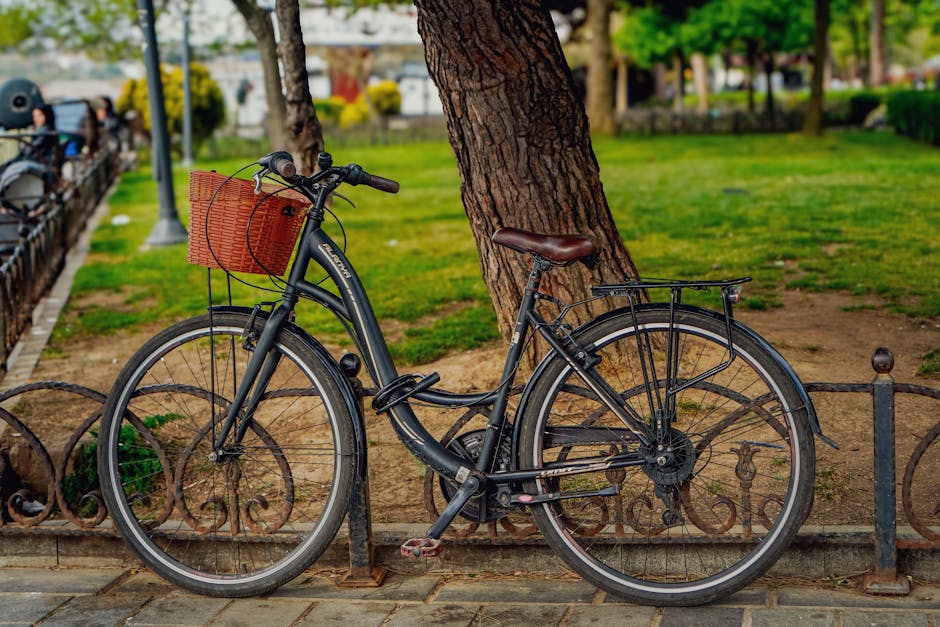
Hybrid bikes are often ideal—they combine the upright position of a mountain bike with the lighter frame and smoother tires of a road bike. Look for models with mounts for racks and fenders, which add practicality for commuting.
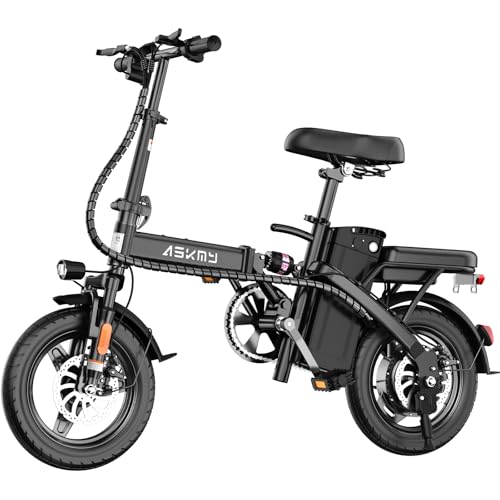
Folding bikes are excellent for multi-modal commutes (bike + train/bus), but ensure the frame size suits your height. Test ride before buying—some foldables sacrifice stability for portability.
Electric bikes (e-bikes) can reduce fatigue on hilly routes or long distances, but they’re heavier and require charging. If you choose an e-bike, practice handling it unassisted in case the battery dies mid-ride.
Avoid overly aggressive road bikes with drop handlebars unless you’re primarily riding on smooth, open roads. The low position can hinder visibility and comfort in traffic.
Maintenance Tips to Keep You Riding Smoothly
A well-maintained bike is a safe and comfortable bike. Neglecting basic upkeep leads to poor performance and unexpected breakdowns.
Check your chain monthly. A dirty or dry chain increases wear and reduces efficiency. Clean it with a degreaser and lubricate with bike-specific oil. Wipe off excess to avoid attracting grime.
Inspect tires weekly for cuts, embedded glass, or wear. Replace tires when the tread is smooth or you can see the casing underneath.
Test your brakes before every ride. If they squeak, the pads may be glazed—clean them with rubbing alcohol. If they feel weak, adjust the cable tension or replace worn pads.
Keep bolts tightened, especially on the stem, handlebars, and seat post. Use a torque wrench if possible to avoid over-tightening and damaging components.
Final Thoughts: Ride with Intention
Improving your city cycling experience doesn’t require expensive gear or elite skills. It starts with the fundamentals: a properly fitted bike, balanced handling, and consistent practice. By focusing on comfort, balance, and confidence, you’ll not only enjoy your rides more but also stay safer on busy streets.
Remember, every expert cyclist was once a beginner navigating traffic with white knuckles. Be patient with yourself, stay aware of your surroundings, and celebrate small victories—like mastering that tricky left turn or riding comfortably for 30 minutes straight.
FAQ
How often should I adjust my bike fit?
Recheck your bike fit every 6–12 months, or whenever you notice discomfort, changes in flexibility, or after a crash. Growth, weight changes, or new riding styles (e.g., switching from leisure to commuting) can also affect fit.
Can I use a regular backpack while cycling in the city?
Yes, but a backpack can shift your center of gravity and cause back strain. For longer rides, consider a rear rack with panniers or a front basket. If using a backpack, choose one with a chest or waist strap to stabilize the load.
What’s the safest way to ride at night?
Use a white front light (at least 200 lumens) and a red rear light, both flashing. Wear reflective gear, avoid dark clothing, and ride predictably—signal turns and avoid sudden movements. Stick to well-lit routes when possible.
Related keywords: Practical cycling tips to improve comfort, balance, and confidence on rides with a focus on fit for city streets.
