
Road Cycling Techniques That Improve Cornering and Downhill Control with a Focus on Security for City Streets Leave a comment
Road Cycling Techniques That Improve Cornering and Downhill Control with a Focus on Security for City Streets
Navigating city streets on a road bike demands more than fitness and endurance—it requires precise control, especially when cornering and descending at speed. Road cycling techniques that improve cornering and downhill control with a focus on security for city streets are essential for avoiding hazards like potholes, tram tracks, wet manhole covers, and sudden traffic changes. Whether you’re commuting, training, or exploring urban routes, mastering these skills reduces risk and increases confidence. This guide covers proven methods to enhance your handling, maintain stability, and ride safely through tight turns and steep descents in busy environments.
Why Cornering and Downhill Control Matter in Urban Cycling
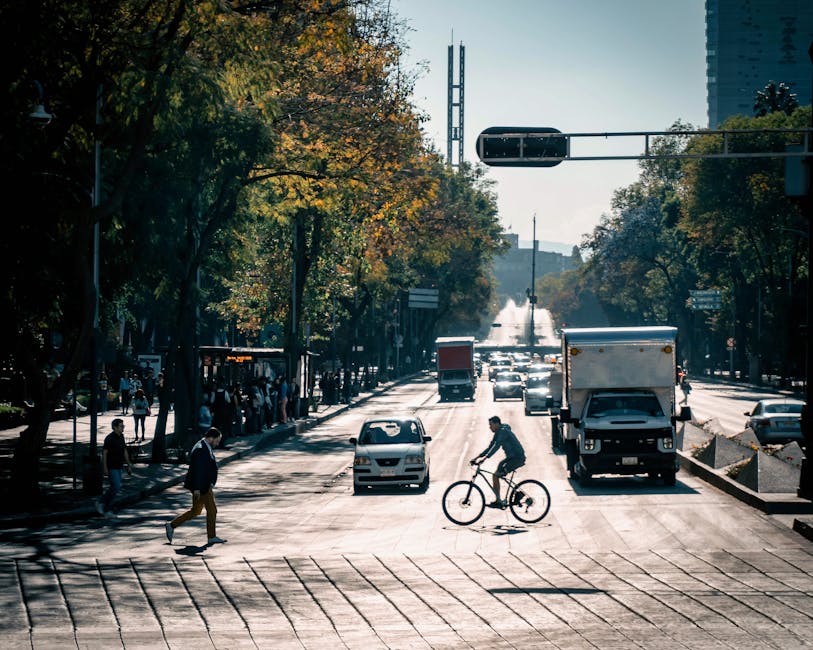
City riding is unpredictable. Unlike open country roads, urban environments present frequent intersections, parked cars, pedestrians, and variable road surfaces. Poor cornering or loss of control during a downhill can lead to skids, falls, or collisions. According to urban cycling safety reports, a significant number of bike-related incidents occur at intersections or during sudden maneuvers—often due to inadequate braking or body positioning. Developing strong technical skills isn’t just about performance; it’s a core component of rider safety.
Effective cornering and downhill control allow you to maintain momentum without sacrificing awareness. They help you react to opening car doors, slippery manhole covers, or children darting into the street. These techniques also reduce wear on your brakes and tires, extending component life and improving overall ride efficiency.
Essential Body Positioning for Stability
Your posture directly affects how your bike responds to turns and descents. In city conditions, maintaining a balanced, centered stance is critical.
- Lower your center of gravity: Bend your elbows and knees slightly. This absorbs shocks and keeps the bike stable over rough pavement.
- Keep your weight centered: Avoid leaning too far forward or backward. Your hips should stay over the bottom bracket, allowing quick weight shifts when needed.
- Look through the turn: Your head and eyes should lead the direction of travel. Looking where you want to go helps your body and bike align naturally.
- Relax your grip: White-knuckling the handlebars reduces control. Hold firmly but not tightly—this improves feedback from the front wheel.
For downhill sections, shift your weight slightly back, but not so far that the front wheel loses traction. Imagine sitting “in” the bike rather than on top of it. This stance improves balance and prepares you for emergency braking or swerving.
Braking Techniques for Controlled Descents
Braking is where many urban cyclists make mistakes. Over-reliance on the front brake or sudden, hard pulls can cause skidding or endos (front-wheel flips). The key is modulation and balance.
How to Brake Safely on Downhills
- Use both brakes: The front brake provides about 70% of your stopping power, but it must be used carefully. Apply it gradually, especially on wet or uneven surfaces.
- Feather the brakes: Instead of locking them on, gently pulse the levers to control speed without skidding.
- Brake before the turn: Slow down before entering a corner, not during it. Braking mid-corner shifts weight forward and reduces rear-wheel traction.
- Avoid panic stops: Practice controlled stops in safe areas. Knowing your bike’s limits helps in real emergencies.
On wet roads, increase your following distance and reduce speed earlier. Metal surfaces like manhole covers and painted crosswalks become extremely slippery when damp—treat them like ice.
Cornering with Confidence on City Streets
Cornering in traffic requires precision and anticipation. Unlike racing, urban turns often involve obstacles and limited visibility.
Step-by-Step Cornering Technique
- Scan the approach: Check for debris, potholes, or oil slicks. Look for open car doors or pedestrians stepping off curbs.
- Position your lane: Move to the left third of your lane before a right turn (and vice versa) to improve visibility and reduce the chance of being cut off.
- Lean the bike, not your body: Tilt the bike into the turn while keeping your torso more upright. This maintains better balance and control.
- Control your speed: Enter the turn at a manageable pace. If you’re going too fast, ease off the gas—don’t brake hard mid-turn.
- Accelerate out: Once through the apex, gradually apply power. This shifts weight to the rear wheel, improving traction.
Example: When approaching a tight left turn at an intersection with parked cars, slow down early, signal your intent, and position yourself to the right of the lane. This gives you space to maneuver if a car pulls out or a pedestrian steps into the road.
Handling Road Hazards During Turns and Descents
City roads are full of hidden dangers. Knowing how to react can prevent accidents.
- Tram tracks and grates: Cross them at a 90-degree angle if possible. If you must ride over them, stand on the pedals and keep your weight centered to minimize lateral movement.
- Wet leaves or gravel: Avoid sharp turns on loose surfaces. Reduce speed and make wide, gradual arcs.
- Potholes and cracks: Scan ahead and adjust your line early. If unavoidable, rise slightly off the saddle and let the bike roll through the impact.
- Manhole covers: These become slick when wet. Ride straight over them when possible, or slow down and cross at an angle if turning.
Warning: Never assume a driver sees you. Make eye contact when possible, use hand signals, and position yourself where you’re visible—especially at intersections and merge points.
Equipment Adjustments for Better Control
Your bike setup plays a major role in handling. Small changes can make a big difference in city conditions.
| Component | Recommended Adjustment | Benefit |
|---|---|---|
| Tire Pressure | Lower slightly (within manufacturer range) | Increases grip and shock absorption |
| Tire Width | Use 25–28mm tires if frame allows | Better traction and comfort on rough roads |
| Brake Pads | Use high-quality, all-weather pads | Consistent stopping power in rain and debris |
| Handlebar Height | Moderately low for control, not extreme | Balances aerodynamics and maneuverability |
Regular maintenance is equally important. Worn brake pads, loose headset bearings, or under-inflated tires compromise handling. Check your bike before every ride, especially if you’re tackling hilly or busy routes.
Practice Drills to Build Muscle Memory
Like any skill, cornering and descending improve with practice. Try these safe, repeatable drills in a quiet parking lot or closed street.
- Figure-eight drill: Set up two cones 20 feet apart. Ride slow figure-eights, focusing on smooth leans and controlled speed. Gradually increase pace.
- Emergency stop practice: At low speed, practice stopping in the shortest distance using both brakes. Note the difference when you feather vs. lock the brakes.
- Descending simulation: Find a gentle hill and practice controlled descents. Focus on body position, braking points, and looking ahead.
- Obstacle slalom: Weave through a line of cones. This improves balance, steering precision, and confidence in tight spaces.
Start slow. The goal is consistency, not speed. Over time, these movements become automatic, freeing your mind to focus on traffic and surroundings.
Weather and Visibility Considerations
Rain, fog, and low light drastically change riding dynamics. Adjust your techniques accordingly.
- Reduce speed by 20–30% in wet conditions. Traction is reduced, and stopping distances increase.
- Use lights and reflective gear at all times, even during the day. Visibility is a major factor in urban safety.
- Avoid painted surfaces like bike lanes and crosswalks when wet. They offer almost no grip.
- Wear clear or yellow-tinted glasses in overcast or rainy weather to improve contrast.
After rain, watch for oil buildup on the road—especially near intersections where cars frequently stop and start. These slick patches are often invisible until it’s too late.
Common Mistakes to Avoid
Even experienced riders fall into bad habits. Be aware of these pitfalls:
- Braking in the turn: This shifts weight forward and can cause the rear wheel to slide out.
- Over-leaning: Leaning your body too far inward reduces control and increases the risk of clipping a pedal.
- Staring at the front wheel: This limits your ability to scan ahead and anticipate hazards.
- Ignoring road surface changes: Transitioning from asphalt to concrete or brick can affect grip—adjust your line and speed.
Takeaway: Smoothness beats speed in city riding. Controlled, predictable movements are safer than aggressive maneuvers.
Final Thoughts: Ride Smart, Stay Safe
Mastering road cycling techniques that improve cornering and downhill control with a focus on security for city streets is not about becoming a racer—it’s about becoming a safer, more aware rider. These skills empower you to handle the unpredictability of urban environments with confidence. By refining your body position, braking habits, and hazard awareness, you reduce risk and enjoy a smoother, more controlled ride.
Remember: the best technique in the world can’t compensate for poor visibility or reckless traffic behavior. Always wear a helmet, follow traffic laws, and advocate for your space on the road. With practice and attention, you’ll navigate city streets with the precision and calm of a seasoned commuter.
FAQ
How can I improve my confidence when cornering at speed?
Start with slow, wide turns in safe areas. Focus on looking through the turn, keeping your weight centered, and using both brakes before the corner. Gradually increase speed as your control improves.
Is it safer to use the front or rear brake when descending?
The front brake provides more stopping power, but it must be used carefully. Apply it gradually and avoid locking it. Use both brakes together, with slightly more pressure on the front—especially on steep hills.
What should I do if my rear wheel starts to skid in a turn?
Ease off the rear brake immediately and avoid sudden steering inputs. Shift your weight back slightly and steer in the direction of the skid to regain traction. Practice in a safe area to build instinctive responses.
