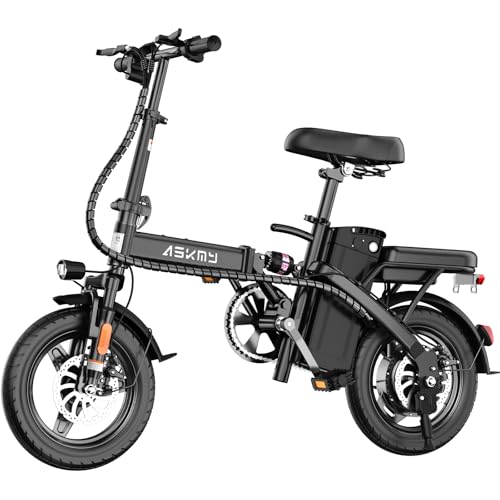


Electric Bicycles That Make Hills, Traffic, and Distance Easier to Manage with a Focus on Security for City Streets Leave a comment
Electric Bicycles That Make Hills, Traffic, and Distance Easier to Manage with a Focus on Security for City Streets
Electric bicycles are transforming urban commuting by tackling three major challenges: steep hills, congested traffic, and long distances. With powerful motors, smart designs, and enhanced safety features, today’s e-bikes are built to handle city streets with confidence. Whether you’re climbing a hill without breaking a sweat, weaving through rush-hour gridlock, or riding across town on a single charge, modern electric bicycles offer a practical, secure, and efficient alternative to cars and public transit. This guide explores how e-bikes simplify urban travel while prioritizing rider safety and peace of mind.

Why Electric Bicycles Are Ideal for City Commuting
City life presents unique transportation hurdles—steep inclines, unpredictable traffic, and the need to cover several miles without arriving exhausted. Electric bicycles address these issues head-on. Unlike traditional bikes, e-bikes provide pedal-assist or throttle-powered support, reducing physical strain and extending your range. For urban riders, this means arriving at work fresh, avoiding sweaty commutes, and saving time by bypassing traffic jams.
Modern e-bikes are engineered with city-specific features: compact frames for maneuverability, integrated lighting for visibility, and responsive brakes for sudden stops. Many models also include anti-theft systems, GPS tracking, and reinforced locks—critical for security in high-theft urban areas. With advancements in battery technology, riders can now travel 40–70 miles on a single charge, making e-bikes a reliable option for daily use.
Conquering Hills with Electric Assist
One of the biggest barriers to cycling in hilly cities is the physical effort required to climb. Electric bicycles eliminate this concern. Most urban e-bikes feature mid-drive or hub motors that deliver consistent torque, helping you ascend inclines of up to 15% grade with minimal effort.
For example, the Bosch Performance Line motor, commonly found in premium e-bikes, provides up to 75 Nm of torque—enough to handle steep city hills like those in San Francisco or Portland. Riders can choose from multiple assist levels, allowing them to conserve battery on flat stretches and ramp up power when needed. This adaptability makes e-bikes accessible to riders of all fitness levels, from beginners to seasoned cyclists.
Tips for Hill Climbing on an E-Bike
- Shift to a lower gear before starting your climb to maintain cadence.
- Use higher assist levels sparingly to avoid draining the battery too quickly.
- Stand on the pedals during steep sections for better balance and power transfer.
- Maintain a steady pace—sudden bursts of speed can reduce motor efficiency.
Navigating Traffic Safely and Efficiently
Urban traffic congestion affects everyone, but e-bikes offer a way around it. With their agility and speed, electric bicycles can travel between lanes (where legally permitted), take shortcuts through bike lanes, and avoid idling in traffic. In cities like Amsterdam and Copenhagen, e-bike users report saving 15–30 minutes per commute compared to car drivers during peak hours.
However, increased speed and traffic exposure require heightened safety awareness. The best electric bicycles for city streets come equipped with features designed to protect riders in busy environments. These include:
- Bright LED headlights and taillights with daytime running modes for visibility.
- Integrated turn signals and brake lights on select models for clear communication with drivers.
- Reflective tires and frame decals to enhance side visibility at night.
- Responsive disc brakes (mechanical or hydraulic) for reliable stopping power in wet or stop-and-go conditions.
Riders should also wear helmets, use hand signals, and stay alert at intersections—where most collisions occur. Many cities now offer protected bike lanes, which significantly reduce accident risk. Choosing routes with dedicated cycling infrastructure can make a noticeable difference in both safety and comfort.
Extending Your Range Without Range Anxiety
Distance is no longer a limitation with modern electric bicycles. Advances in lithium-ion battery technology have dramatically improved energy density and longevity. Most city e-bikes now feature removable batteries with capacities between 400Wh and 750Wh, enabling rides of 40 to 70 miles depending on terrain, rider weight, and assist level.
For example, the Rad Power Bikes RadCity 5 Plus offers a 672Wh battery that supports up to 50 miles of range in eco mode. This is sufficient for most daily commutes, grocery runs, or weekend errands. Charging takes 4–6 hours using a standard wall outlet, and many riders charge overnight for convenience.
To maximize range, consider these strategies:
- Use lower assist levels on flat terrain or when cruising.
- Avoid frequent hard accelerations—smooth pedaling conserves energy.
- Keep tires properly inflated to reduce rolling resistance.
- Remove unnecessary weight from racks or bags.
Some e-bikes also support regenerative braking, though the energy recovered is minimal and not a primary range-extending feature. For longer trips, carrying a spare battery or using public charging stations (increasingly available in cities) can provide added peace of mind.
Security Features That Protect Your E-Bike on City Streets
With e-bike theft on the rise in urban areas, security is a top concern for riders. A high-quality lock is essential, but modern electric bicycles go further by integrating advanced anti-theft technology.
Many premium models now include built-in alarms that trigger if the bike is moved without authorization. GPS tracking systems, such as those offered by VanMoof or Bosch’s COBI system, allow owners to locate their e-bike via smartphone if stolen. Some brands even offer recovery services or insurance partnerships for added protection.
Physical security remains critical. U-locks made from hardened steel, like the Kryptonite New York Fahgettaboudit, are highly resistant to cutting and leverage attacks. Pairing a U-lock with a secondary cable to secure wheels and accessories adds another layer of defense.
Best Practices for E-Bike Security
- Lock your bike to a fixed, immovable object such as a bike rack or street sign post.
- Secure both the frame and rear wheel—most thefts target quick-release components.
- Avoid leaving your e-bike overnight in high-theft areas, even if locked.
- Register your bike with local authorities or national databases like Bike Index.
- Take photos and note the serial number for insurance and recovery purposes.
Some cities are responding to the e-bike boom by installing secure parking hubs with surveillance and access control. These facilities, often located near transit stations, provide peace of mind for commuters who need to leave their bikes for extended periods.
Choosing the Right Electric Bicycle for Your City
Not all e-bikes are created equal—selecting the right model depends on your specific urban environment and needs. Consider the following factors:
Motor Type and Power
Hub motors are common and affordable, offering smooth power delivery. Mid-drive motors, found in higher-end models, provide better weight distribution and efficiency, especially on hills. Look for motors rated between 250W and 750W, depending on local regulations.
Battery Capacity and Removability
A removable battery simplifies charging and reduces theft risk. Aim for at least 500Wh for daily city use. Check whether the battery is protected by a warranty and how many charge cycles it supports (typically 500–1,000).
Frame Design and Weight
Step-through frames are ideal for quick mounting and dismounting in traffic, especially when wearing work clothes. Folding e-bikes offer portability for mixed-mode commuting (e.g., bike + subway), though they may sacrifice range and stability.
Integrated Safety and Smart Features
Prioritize models with built-in lights, fenders, and racks. Smart features like app connectivity, ride tracking, and theft alerts add value for urban riders. Some e-bikes even include automatic emergency calling in the event of a crash.
Popular models for city use include the Specialized Turbo Vado, Trek Allant+, and Aventon Level.2. Each balances performance, comfort, and security for daily urban riding.
Legal and Safety Considerations for Urban E-Bike Riders
E-bike regulations vary by city and country, so it’s important to understand local laws. In the U.S., most states classify e-bikes into three categories based on speed and motor power. Class 1 and 2 e-bikes (up to 20 mph) are generally allowed on bike paths, while Class 3 (up to 28 mph) may be restricted to roads or require helmets.
Always wear a helmet, obey traffic signals, and ride in the same direction as vehicle traffic. Avoid sidewalks unless explicitly permitted. Use bike lanes when available, and be mindful of pedestrians and other cyclists.
Insurance is not always required, but it’s worth considering—especially for high-value e-bikes. Some homeowners or renters insurance policies cover e-bike theft or damage, or you can purchase specialized e-bike insurance for comprehensive protection.
Maintaining Your E-Bike for Long-Term Reliability
Regular maintenance ensures your electric bicycle remains safe and efficient. Key tasks include:
- Cleaning the chain and drivetrain every few weeks to prevent wear.
- Checking tire pressure before each ride—underinflated tires increase resistance and risk of punctures.
- Inspecting brakes monthly for pad wear and responsiveness.
- Updating firmware if your e-bike has smart features or app integration.
- Storing the battery properly—avoid extreme temperatures and keep it charged between 30% and 80% when not in use for long periods.
Most e-bikes require professional servicing once a year, especially for motor and battery diagnostics. Authorized dealers can perform software updates and ensure all components meet safety standards.
Final Thoughts: A Smarter Way to Move Through the City
Electric bicycles that make hills, traffic, and distance easier to manage are no longer a niche option—they’re a practical solution for modern urban life. With the right model, riders can enjoy faster commutes, reduced stress, and lower transportation costs, all while contributing to cleaner air and less congestion.
Security remains a key consideration, but with the right locks, tracking systems, and habits, you can protect your investment. As cities continue to expand bike infrastructure and embrace sustainable transit, e-bikes are poised to become a cornerstone of urban mobility.
FAQ
How far can I ride on a single charge?
Most city e-bikes offer a range of 40 to 70 miles, depending on battery capacity, terrain, rider weight, and assist level. Using lower assist modes and maintaining proper tire pressure can help maximize range.
Are electric bicycles safe in heavy traffic?
Yes, when equipped with proper safety features like lights, brakes, and reflective elements—and when ridden responsibly. Using bike lanes, signaling turns, and staying visible significantly reduce risk.
What’s the best way to prevent e-bike theft?
Use a high-quality U-lock to secure the frame and rear wheel to a fixed object. Combine with a GPS tracker, register your bike, and avoid leaving it unattended in high-theft areas for long periods.
