
Road Cycling Guide to Tires, Wheels, and Pressure for Better Control and Security on Weekend Rides Leave a comment
Road Cycling Guide to Tires, Wheels, and Pressure for Better Control and Security on Weekend Rides
Choosing the right tires, wheels, and tire pressure is essential for safe, confident road cycling—especially on weekend rides where conditions can vary. A well-tuned setup improves grip, comfort, and handling while reducing the risk of flats and crashes. This road cycling guide to tires, wheels, and pressure focuses on practical choices that enhance control and security, helping riders of all levels enjoy smoother, safer journeys. Whether you’re commuting, training, or exploring scenic routes, understanding these components ensures your bike performs reliably when it matters most.
Why Tire Choice Matters for Control and Safety
Your tires are the only part of your bike that touches the road. Their design directly affects traction, rolling resistance, puncture resistance, and overall ride quality. For weekend riders—who often encounter mixed surfaces, debris, and changing weather—selecting the right tire is a critical first step toward a secure ride.
Tire Width: Balance Comfort and Speed
Modern road bikes increasingly favor wider tires, typically between 25mm and 32mm. While narrower tires (23mm) were once standard for speed, research and real-world testing show that slightly wider tires can actually roll faster due to reduced energy loss from vibration and better contact patch shape.
For most weekend riders, 28mm tires offer an ideal compromise: improved comfort over rough pavement, better cornering grip, and lower rolling resistance compared to 23mm or 25mm options. If your bike frame and brakes allow, consider upgrading to 30mm or 32mm for long rides on less-than-perfect roads.
Tread Pattern and Compound: Match to Conditions
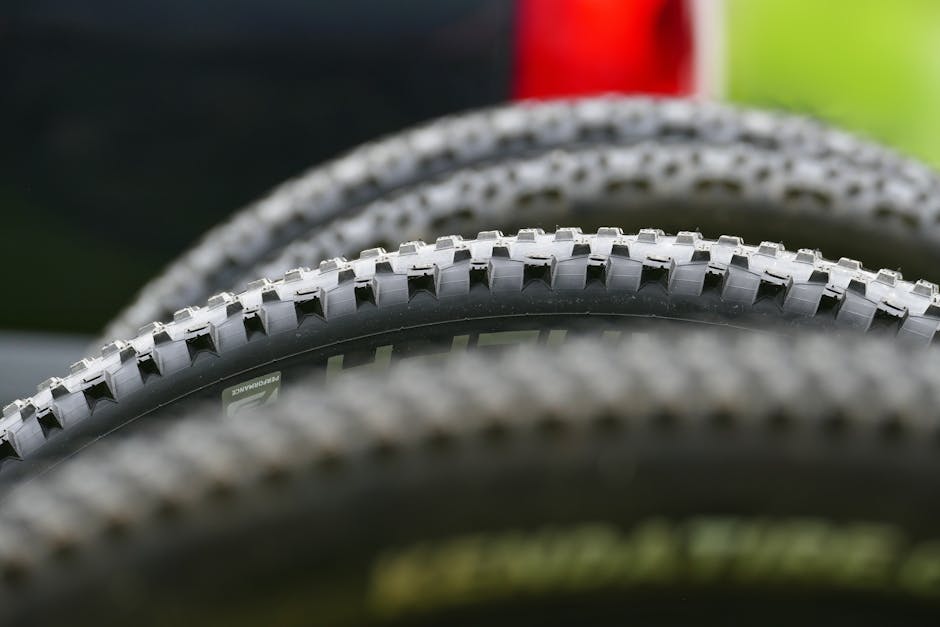
Most road tires are smooth or lightly patterned. Smooth treads minimize rolling resistance on dry pavement, while minimal grooves help disperse water in wet conditions. Avoid aggressive treads—they add unnecessary weight and drag on paved roads.
Look for tires with dual-compound rubber: harder in the center for durability, softer on the shoulders for cornering grip. Brands like Continental, Vittoria, and Schwalbe offer models designed specifically for endurance and all-weather performance.
Puncture Protection: Don’t Overlook It
A flat tire can ruin a weekend ride. Many high-quality road tires include built-in puncture protection layers, such as Kevlar belts or reinforced casings. While these add a small amount of weight, the trade-off is worth it for peace of mind, especially on routes with glass, thorns, or rough shoulders.
Popular options like the Continental Grand Prix 5000 or the Vittoria Corsa G2.0 combine low rolling resistance with reliable protection. For riders in urban areas or regions with debris-heavy roads, consider models with extra-thick casing or tubeless-ready designs that seal small punctures automatically.
Wheels: The Foundation of Stability and Performance
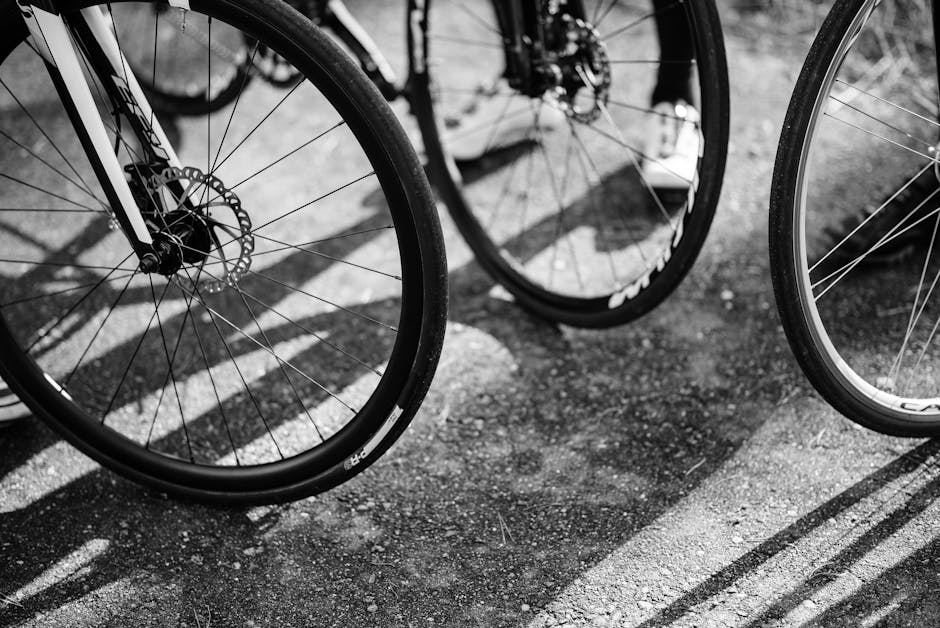
Wheels support your tires and influence how your bike handles, accelerates, and resists wind. While tires get more attention, wheels play an equally important role in ride quality and safety.
Rim Width: Wider Is Better for Modern Tires
Internal rim width should match your tire width. A narrow rim (17–19mm) with a wide tire (28mm+) can cause the tire to bulge, reducing stability and increasing the risk of pinch flats. Most modern road wheels have internal widths of 19–21mm, which support 25–32mm tires effectively.
If you’re upgrading wheels, look for models labeled “tire-friendly” or “wide rim.” These improve aerodynamics, cornering, and comfort by allowing the tire to sit in a more natural, rounded shape.
Wheel Depth: Aerodynamics vs. Handling
Shallow rims (25–35mm) are lighter and more responsive in crosswinds, making them ideal for hilly or windy weekend routes. Deeper rims (40–60mm) offer better aerodynamics at higher speeds but can be harder to control in gusty conditions.
For general weekend riding, a mid-depth wheel (30–40mm) provides a good balance. Avoid ultra-deep wheels unless you’re racing or consistently riding above 25 mph.
Material and Build Quality
Aluminum rims remain the standard for durability and value. Carbon wheels offer weight and aerodynamic advantages but come at a higher cost and may be less impact-resistant. For most riders, a well-built aluminum wheelset with double-butted spokes and quality hubs offers the best long-term reliability.
Check that your wheels are properly tensioned and true. Wobbling or loose spokes can lead to poor handling and premature wear. If you’re unsure, have a mechanic inspect your wheels before long rides.
Tire Pressure: The Overlooked Key to Control
Incorrect tire pressure is one of the most common—and easily fixed—issues affecting ride quality and safety. Too much pressure leads to a harsh ride and reduced grip; too little increases rolling resistance and the risk of pinch flats.
How to Set the Right Pressure
There’s no universal “correct” pressure—it depends on your weight, tire width, road conditions, and riding style. Use this general formula as a starting point:
- For 25mm tires: Start at 85–95 psi (front), 90–100 psi (rear)
- For 28mm tires: 75–85 psi (front), 80–90 psi (rear)
- For 32mm tires: 65–75 psi (front), 70–80 psi (rear)
Adjust based on feel: if the ride is jarring or you skid in corners, reduce pressure slightly. If you feel sluggish or notice excessive tire flex, increase it.
Use a Quality Gauge
Bike pumps with built-in gauges are often inaccurate. Invest in a standalone digital or analog pressure gauge for precise readings. Check pressure before every long ride—tires lose 1–2 psi per week, even without leaks.
Consider Tubeless or Tubeless-Ready Systems
Tubeless setups allow you to run lower pressures without pinch flats, improving grip and comfort. They also seal small punctures automatically using sealant. While not essential, tubeless is increasingly popular among road riders seeking reliability and performance.
To go tubeless, you’ll need compatible rims, tires, sealant, and an air compressor or high-volume pump. Many new road bikes come tubeless-ready, making the conversion straightforward.
Putting It All Together: A Weekend Rider’s Setup Checklist
Before your next weekend ride, run through this quick checklist to ensure optimal control and security:
- Tire condition: Inspect for cuts, embedded debris, or excessive wear. Replace tires with worn tread or sidewall damage.
- Pressure check: Use a reliable gauge to set pressure based on your weight and tire width.
- Wheel alignment: Spin wheels to check for wobble. Ensure quick releases or thru-axles are tight.
- Valve integrity: Make sure Presta or Schrader valves are clean and not leaking.
- Tubeless sealant: If running tubeless, refresh sealant every 3–6 months.
Common Mistakes to Avoid
Even experienced riders make errors that compromise safety and performance:
- Overinflating tires: This reduces contact patch and grip, especially on wet or rough roads.
- Ignoring tire wear: Bald or cracked tires are more likely to fail under stress.
- Mixing tire widths: Using different widths front and rear can affect handling balance.
- Neglecting wheel maintenance: Loose spokes or worn bearings degrade control over time.
Final Tips for Confident Weekend Rides
A well-maintained bike with properly chosen tires, wheels, and pressure gives you the confidence to enjoy every mile. Prioritize reliability over marginal gains—your safety and comfort matter more than saving a few grams or seconds.
Start with a 28mm tire at appropriate pressure, ensure your wheels are true and secure, and carry a spare tube, pump, and multitool. These simple steps go a long way in preventing breakdowns and enhancing control.
Remember, the best setup is one that matches your riding style and environment. Test different configurations on shorter rides before committing to long weekend adventures. With the right gear and attention to detail, you’ll ride farther, faster, and safer.
FAQ
What tire pressure should I use for a 28mm tire?
For most riders, 75–85 psi in the front and 80–90 psi in the rear is a good starting point. Adjust based on your weight and road conditions—lighter riders or rough surfaces may benefit from slightly lower pressure.
Can I use wider tires on my road bike?
Check your frame and brake clearance. Many modern road bikes accommodate 28mm or 32mm tires. If there’s at least 3–4mm of space around the tire, you’re likely safe to upgrade.
Are tubeless tires worth it for weekend riding?
Yes, especially if you ride on rough or debris-filled roads. Tubeless tires allow lower pressure for better grip and self-seal small punctures, reducing the chance of flats during long rides.
Related keywords: Road cycling guide to tires, wheels, and pressure for better control with a focus on security for weekend rides.
