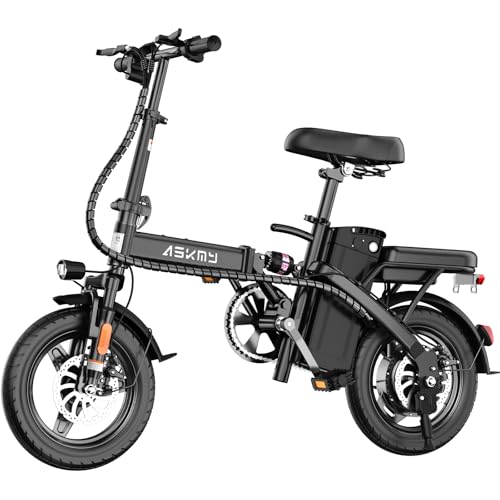


Electric Bicycle Advice for Understanding Classes, Laws, and Real Costs with a Focus on Security for Weekend Rides Leave a comment
Electric Bicycle Advice for Understanding Classes, Laws, and Real Costs with a Focus on Security for Weekend Rides
If you’re considering an electric bicycle for weekend adventures, it’s essential to understand the different classes, local laws, true ownership costs, and how to keep your ride secure. Electric bicycles, or e-bikes, come in three main classes based on speed and motor assistance, each with distinct legal requirements. Knowing these distinctions helps you choose the right model, avoid fines, and ride safely. Beyond the sticker price, factor in maintenance, insurance, and anti-theft measures—especially if you plan to leave your e-bike unattended during scenic stops. This guide breaks down everything you need to make an informed decision and enjoy secure, worry-free weekend rides.
Understanding E-Bike Classes: What You Need to Know
Electric bicycles in the U.S. are categorized into three classes by the Consumer Product Safety Commission (CPSC). These classifications determine how the bike operates, where you can ride it, and what regulations apply.
Class 1: Pedal-Assist Only
Class 1 e-bikes provide motor assistance only when you pedal, and the assistance cuts off at 20 mph. These are the most widely accepted e-bikes and are allowed on most bike paths and multi-use trails, unless specifically prohibited. They’re ideal for casual riders who want a boost on hills or longer rides without going too fast.
Class 2: Throttle-Assist
Class 2 models have a throttle that can propel the bike without pedaling, up to 20 mph. While convenient for quick starts or resting your legs, these bikes are often restricted from bike lanes and trails in certain states. Always check local ordinances—some cities treat Class 2 e-bikes more like mopeds.
Class 3: Speed Pedelec
Class 3 e-bikes offer pedal assistance up to 28 mph and may include a speedometer. Due to their higher speed, they’re typically not allowed on multi-use trails and may require helmets by law. In some areas, riders must be at least 16 or 17 years old. These are best suited for commuting on roads or bike lanes with moderate traffic.
Understanding these classes helps you match your riding style and location to the right e-bike. For weekend trail rides, a Class 1 is often the safest and most versatile choice. For urban exploration with occasional high-speed stretches, a Class 3 might make sense—but always verify local access rules first.
E-Bike Laws by State: Navigating the Legal Landscape
E-bike regulations vary significantly across states and even municipalities. While federal law defines the three classes, individual states set their own rules for licensing, helmet use, age restrictions, and where e-bikes can be ridden.
For example, California allows all three classes on bike paths but requires helmets for Class 3 riders. New York City permits Class 1 and 2 e-bikes on streets and bike lanes but bans them from sidewalks. In contrast, some rural areas have no specific e-bike laws, leaving enforcement ambiguous.
Before your first weekend outing, take these steps:
- Check your state’s Department of Motor Vehicles (DMV) or transportation website for e-bike rules.
- Review local city or county ordinances—parks and trails often have their own policies.
- Confirm whether your e-bike requires registration or a license (rare for Class 1 and 2, more common for Class 3 in certain states).
- Always carry ID and know your bike’s class and specs in case of a roadside check.
A common misconception is that all e-bikes are treated like regular bicycles. In reality, higher-class models may fall under motor vehicle regulations in some jurisdictions. Ignorance of the law won’t prevent a ticket, so do your homework.
Real Costs of Owning an Electric Bicycle
The upfront price of an e-bike ranges from $800 for basic models to over $5,000 for high-performance or cargo e-bikes. But the true cost extends beyond the purchase price. Weekend riders should budget for ongoing expenses to avoid surprises.
Initial Purchase and Accessories
A quality e-bike suitable for weekend use typically starts around $1,500. At this price point, you’ll get a reliable motor, decent battery range (30–50 miles), and basic components. However, essential accessories add to the total:
- Helmet: $50–$150 (required in some states for certain classes)
- Lock: $40–$150 (a U-lock or heavy-duty chain is a must)
- Lights: $30–$80 (front and rear, especially if riding at dawn or dusk)
- Fenders and rack: $50–$120 (useful for carrying gear or staying dry)
Battery and Maintenance
The battery is the most critical—and costly—component. Most e-bike batteries last 500 to 1,000 charge cycles, equating to 3–5 years of regular use. Replacement costs range from $400 to $1,000. To extend battery life:
- Avoid extreme temperatures (don’t leave it in a hot car or freezing garage).
- Charge regularly but avoid keeping it at 100% for long periods.
- Use the manufacturer’s charger and avoid fast chargers unless specified.
Routine maintenance includes brake adjustments, tire replacements, and drivetrain cleaning. Unlike traditional bikes, e-bikes have electrical components that may require specialized service. Budget $100–$200 annually for tune-ups, especially if you ride frequently.
Insurance and Theft Protection
Most homeowners or renters insurance policies cover e-bikes, but often with limits—typically $1,000 to $2,000. If your e-bike costs more, consider a scheduled personal property endorsement. Standalone e-bike insurance (e.g., from companies like Velosurance or Markel) costs $150–$300 per year and covers theft, damage, and liability.
For weekend riders who stop at cafes, trailheads, or parks, theft is a real risk. High-end e-bikes are attractive targets. Investing in insurance and a strong lock isn’t optional—it’s essential.
Security Tips for Weekend E-Bike Rides
Weekend rides often involve leaving your e-bike unattended while you explore, eat, or take photos. A few smart habits can drastically reduce the chance of theft.
Use the Right Lock
Not all locks are equal. Cable locks are lightweight but easily cut. U-locks and heavy chains offer far better protection. Look for locks rated by Sold Secure (Bronze, Silver, Gold) or ART (a European standard). A Gold-rated U-lock combined with a secondary cable for the wheels is a strong setup.
Example: The Kryptonite New-U Evolution Mini-7 is a popular choice among e-bike owners for its compact size and high security rating.
Lock It Properly
Always lock the frame—not just the wheel—to a secure, immovable object. Use the “shear point” method: position the U-lock through the rear triangle of the frame and the rack or post. This makes it harder to pry open.
Avoid locking to flimsy objects like wooden benches or thin signposts. Park in well-lit, high-traffic areas whenever possible. If you’re at a trailhead, choose a spot near other bikes or under surveillance cameras.
Remove the Battery
The battery is valuable and easy to steal. Most e-bike batteries are removable with a key. Take it with you when leaving the bike—even for short stops. This also reduces the bike’s weight and makes it less appealing to thieves.
Register and Track Your E-Bike
Register your e-bike with the manufacturer and national databases like Bike Index or 529 Garage. These services help recover stolen bikes by linking them to your identity.
Consider adding a GPS tracker. Devices like the Invoxia Cellular GPS Tracker or Apple AirTag (with a waterproof case) can be hidden on the bike and provide real-time location data. While not foolproof, they increase the odds of recovery.
Choosing the Right E-Bike for Weekend Adventures
Not every e-bike is suited for weekend exploration. Consider these factors when selecting a model:
Range and Terrain
If your weekend rides include hills or long distances, prioritize battery capacity (measured in watt-hours, or Wh). A 400–500Wh battery is sufficient for flat terrain and moderate use. For hilly areas or 40+ mile trips, aim for 600Wh or higher.
Example: The Rad Power Bikes RadCity 5 Plus has a 672Wh battery and can handle mixed terrain, making it a solid choice for weekend riders.
Comfort and Fit
Weekend rides are more enjoyable when you’re comfortable. Look for adjustable handlebars, ergonomic grips, and a suspension seat post or front fork. Step-through frames are easier to mount and dismount, especially with gear.
Portability and Storage
If you transport your e-bike in a car, consider weight and foldability. Most e-bikes weigh 40–70 pounds. Folding models like the Lectric XP 3.0 are easier to store and carry but may sacrifice ride quality.
Weather Resistance
Even with fenders, e-bikes can be damaged by heavy rain. Look for models with IP65 or higher water resistance ratings. Avoid riding through deep puddles or submerging the motor or battery.
Common Mistakes to Avoid
New e-bike owners often make avoidable errors that compromise safety, legality, or enjoyment.
- Ignoring local laws: Assuming all e-bikes are treated like regular bikes can lead to fines or being banned from trails.
- Underestimating theft risk: Leaving an expensive e-bike unlocked, even for a few minutes, is an open invitation to thieves.
- Overestimating battery range: Real-world range depends on terrain, rider weight, and assist level. Always plan for 20–30% less than the manufacturer’s claim.
- Skipping maintenance: E-bikes need regular checks, especially brakes and tires, which wear faster due to the added weight and speed.
Final Thoughts on Electric Bicycle Advice for Weekend Riders
Electric bicycles offer a fun, eco-friendly way to explore on weekends, but they come with responsibilities. Understanding the classes, complying with local laws, budgeting for real costs, and prioritizing security ensures you get the most out of your investment. A well-chosen e-bike, properly maintained and protected, can provide years of reliable, enjoyable rides.
Before your next adventure, review your bike’s class, check local regulations, pack a quality lock, and charge that battery. With the right preparation, your weekend rides will be safe, legal, and stress-free.
FAQ
What’s the difference between Class 1, 2, and 3 e-bikes?
Class 1 e-bikes have pedal-assist up to 20 mph. Class 2 models add a throttle that works without pedaling, also capped at 20 mph. Class 3 bikes provide pedal assistance up to 28 mph and may require helmets and have age restrictions. Each class has different access rules for roads and trails.
Do I need insurance for my e-bike?
It’s not legally required in most states, but highly recommended. Homeowners or renters insurance may cover your e-bike, but often with low limits. Standalone e-bike insurance provides better protection against theft and damage, especially for higher-value models.
How can I prevent my e-bike from being stolen?
Use a high-quality U-lock or chain, always secure the frame to a solid object, remove the battery when leaving the bike, and park in visible, well-lit areas. Register your bike and consider adding a GPS tracker for added security.
