
Road Cycling Guide to Better Speed, Comfort, and Control on Long Rides with a Focus on Value for City Streets Leave a comment
Road Cycling Guide to Better Speed, Comfort, and Control on Long Rides with a Focus on Value for City Streets
Whether you’re commuting daily or tackling weekend endurance rides through urban landscapes, this road cycling guide delivers practical strategies to improve speed, comfort, and control—without overspending. City streets present unique challenges: stop-and-go traffic, potholes, curbs, and variable surfaces demand a smart setup and riding technique. The good news? You don’t need top-tier gear to ride efficiently and safely. With the right bike fit, tire choice, posture, and maintenance habits, you can maximize performance and enjoyment on everyday routes. This guide focuses on value-driven solutions that deliver real results for riders who prioritize function over flash.
Why City Streets Demand a Different Approach
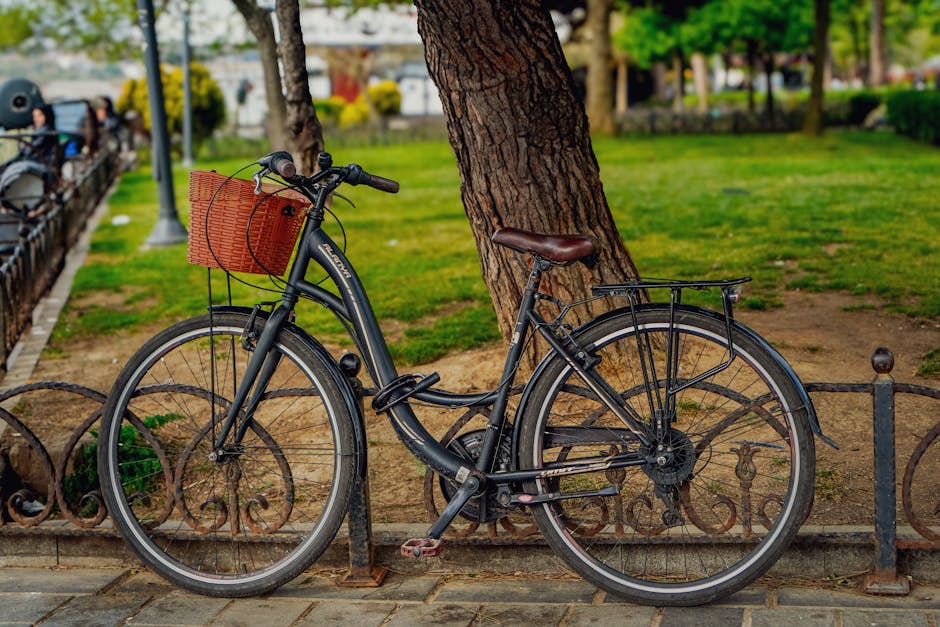
Unlike smooth country roads or dedicated bike paths, city streets are unpredictable. Rough pavement, debris, frequent stops, and close proximity to vehicles require a blend of agility, endurance, and awareness. Many cyclists mistakenly treat urban riding like recreational road cycling, using lightweight race bikes with narrow tires and aggressive geometry. While these setups excel on open tarmac, they often lead to discomfort, reduced control, and higher maintenance costs in stop-and-go environments.
A value-focused approach means choosing equipment and techniques that balance performance with durability and ease of use. For example, a slightly heavier frame with wider tire clearance may offer better shock absorption and puncture resistance than an ultra-light carbon model. Similarly, adopting a more upright posture can improve visibility and reduce strain during frequent stops.
Optimize Your Bike Setup for Urban Efficiency
Your bike’s configuration plays a major role in how it handles city conditions. Small adjustments can yield significant improvements in speed, comfort, and control—especially over long distances.
Tire Choice: The Foundation of Ride Quality
Tires are your first line of defense against rough surfaces and punctures. For city riding, prioritize width and tread over minimal rolling resistance.
- Width: Aim for 28–32mm tires. These offer a smoother ride than standard 23mm or 25mm road tires, absorbing vibrations from cracked pavement and manhole covers.
- Tread: Choose lightly treaded or semi-slick models. They provide grip on wet streets without sacrificing speed on dry asphalt.
- Pressure: Inflate to the lower end of the recommended range (e.g., 80–90 psi for 28mm tires). Lower pressure increases comfort and traction without drastically slowing you down.
- Puncture Protection: Look for tires with reinforced casings (e.g., Schwalbe Marathon, Continental Gatorskin). They cost more upfront but reduce flat frequency and repair downtime.
Example: A rider switching from 25mm to 32mm tires at 85 psi reports a noticeable reduction in hand and back fatigue after 20-mile commutes, with no measurable drop in average speed.
Frame and Fork: Balance Weight and Compliance
While carbon frames are prized for lightness, aluminum and steel offer better vibration damping and durability at a lower price. For city use, consider:
- Aluminum frames with carbon forks: A common and cost-effective combo that reduces road buzz while keeping weight manageable.
- Steel frames: Ideal for riders prioritizing comfort and longevity. Modern steel bikes (e.g., All-City, Surly) are lighter than older models and handle rough roads exceptionally well.
- Clearance for wider tires and fenders: Essential for year-round urban riding. Fenders keep you dry in rain; wider tires improve stability.
Contact Points: Hands, Seat, and Feet
Long rides amplify discomfort from poor contact point setup. Invest in these areas for maximum return:
- Saddle: Choose a model with adequate padding and shape that matches your sit bone width. A too-soft saddle can cause numbness; too hard causes pain. Try a cutout design if you experience pressure on soft tissues.
- Handlebar tape: Use gel-padded or double-wrapped tape to reduce hand fatigue. Cork or synthetic materials offer better grip in wet conditions.
- Pedals and shoes: Flat pedals with grippy platforms work well for casual riders. For efficiency, clipless pedals (e.g., SPD) allow better power transfer and control, especially on hills or long climbs.
Improve Speed Without Expensive Upgrades
Speed on city streets isn’t just about aerodynamics—it’s about consistency, efficiency, and smart riding habits.
Maintain Momentum with Smart Routing
One of the biggest speed killers in urban areas is unnecessary stopping. Use these tactics:
- Choose routes with traffic lights on timers: Main streets often have synchronized signals. Riding at the designated speed (usually 20–25 mph) lets you hit green lights consistently.
- Avoid high-traffic intersections: Side streets with stop signs may seem slower, but fewer delays often mean faster overall progress.
- Use bike lanes and protected paths: They reduce interactions with cars and allow smoother pacing.
Optimize Your Pedaling Technique
Efficient pedaling reduces fatigue and increases average speed.
- Cadence: Aim for 80–90 revolutions per minute (rpm). This balances muscle use and cardiovascular demand. Use a cheap cadence sensor or count pedal strokes for 30 seconds and double it.
- Gear selection: Shift before you need to. Anticipate stops and hills by easing into lower gears early. Avoid “mashing” big gears at low speeds—it strains knees and wastes energy.
- Smooth strokes: Focus on a circular motion, not just pushing down. Pulling up slightly on the upstroke (especially with clipless pedals) engages more muscle groups.
Aerodynamics on a Budget
You don’t need a $5,000 aero bike to reduce drag. Simple changes help:
- Lower your torso: Even a slight drop from upright to moderate drop bars reduces frontal area. Use bar tape to cushion hands if needed.
- Tuck elbows in: Keeps your profile narrower, especially in crosswinds.
- Wear fitted clothing: Baggy jackets or backpacks create drag. A snug jersey and backpack with a streamlined shape make a difference over long distances.
Enhance Comfort for Longer Rides
Discomfort leads to shorter rides and reduced consistency. Address common pain points with targeted solutions.
Reduce Vibration and Impact
City roads transmit more shock than rural highways. Dampen it with:
- Wider tires at lower pressure: As mentioned, 28–32mm tires at 80–90 psi absorb bumps better than narrow, high-pressure ones.
- Carbon seatposts: A carbon post (e.g., Fizik Kium, Redshift ShockStop) adds compliance without changing your entire bike.
- Suspension seatposts: Models like the Cane Creek Thudbuster offer noticeable comfort gains for riders on very rough routes.
Adjust Your Riding Position
A proper fit prevents pain and improves control.
- Saddle height: When your heel is on the pedal at the bottom of the stroke, your leg should be nearly straight. Adjust in small increments.
- Reach to handlebars: You should be able to rest your hands lightly on the hoods without straining your back or shoulders. Too long a reach causes neck pain; too short reduces control.
- Handlebar height: Raising the bars slightly (using spacers or a higher stem) reduces back strain and improves visibility in traffic.
Warning: Avoid extreme positions for comfort. Overly upright postures can reduce pedaling efficiency, while overly aggressive drops increase hand and neck pressure.
Stay Hydrated and Fueled
Even on city rides, dehydration and low energy sap performance.
- Carry water: Use a bottle cage and 24–32 oz bottle. For rides over 90 minutes, consider a hydration pack or second bottle.
- Eat regularly: Consume 30–60 grams of carbs per hour. Energy bars, bananas, or gels work well. Don’t wait until you’re hungry.
- Plan refueling stops: Know where cafes or convenience stores are along your route for longer rides.
Master Control in Traffic and on Rough Surfaces
Control is safety. The better you handle your bike, the more confidently you can navigate city hazards.
Brake Smart, Not Hard
Sudden braking wears components and increases crash risk.
- Use both brakes: The front brake provides 70% of stopping power, but apply it gradually. Squeeze, don’t grab.
- Feather in traffic: Light, repeated braking maintains control without locking wheels.
- Check brake pads: Worn pads reduce stopping power, especially in wet conditions. Replace when grooves disappear.
Handle Curbs, Potholes, and Debris
Urban obstacles require anticipation and technique.
- Look ahead: Scan 20–30 feet in front. Spot hazards early to adjust line or speed.
- Lift the front wheel: For small curbs or cracks, shift weight back and pull up slightly on the bars.
- Avoid swerving suddenly: Check mirrors and blind spots before changing lanes. Use hand signals.
- Ride predictably: Maintain a straight line when possible. Erratic movements confuse drivers and increase risk.
Improve Cornering Confidence
Many riders slow too much in turns. With practice, you can maintain speed safely.
- Lean the bike, not your body: Keep your torso upright and let the bike tilt. This maintains balance and traction.
- Brake before the turn: Slow down in a straight line, then coast through the curve.
- Look through the turn: Focus on where you want to go, not directly in front of your wheel.
Maintenance Tips to Sustain Performance
A well-maintained bike rides better, lasts longer, and avoids costly repairs.
Weekly Checks
- Tire pressure: Check before every long ride. Use a reliable gauge.
- Chain lubrication: Wipe and re-lube every 100–200 miles. Use wet lube in rain, dry lube in dry conditions.
- Brake function: Squeeze levers—they should engage before hitting the bars.
Monthly Maintenance
- Clean the drivetrain: Use a brush and degreaser to remove grime. A clean chain shifts better and lasts longer.
- Inspect tires: Look for cuts, embedded glass, or wear indicators.
- Check bolt tightness: Stem, handlebars, seatpost, and wheels should be secure.
Seasonal Upgrades
- Switch to winter tires: Slightly more tread and lower pressure improve grip on wet or gritty roads.
- Install lights and reflectors: Essential for visibility in low-light conditions. Use a bright front light (400+ lumens) and a flashing rear light.
- Consider a rack and panniers: Reduce backpack strain on long commutes.
Value-Focused Gear Recommendations
You don’t need the latest tech to ride well. These components offer strong performance per dollar.
| Component | Recommended Option | Why It’s Worth It |
|---|---|---|
| Tires | Schwalbe Marathon Plus (32mm) | Exceptional puncture resistance, durable, smooth ride |
| Saddle | SQLab 611 Active | Ergonomic shape, micro-suspension, reduces numbness |
| Pedals | Shimano PD-M520 (SPD) | Reliable, affordable, easy to clip in/out |
| Chain Lube | Finish Line Dry Teflon | Clean, long-lasting, ideal for city conditions |
| Light | Cygolite Metro 550 | Bright, USB-rechargeable, multiple modes |
Final Takeaways
This road cycling guide emphasizes practical, affordable strategies to boost speed, comfort, and control on long city rides. Focus on tire width, proper bike fit, efficient pedaling, and smart routing to get the most from your current setup. Regular maintenance prevents breakdowns and extends component life. You don’t need premium gear to ride well—just informed choices and consistent habits. Whether you’re commuting or exploring, these tips help you ride farther, faster, and more comfortably on everyday streets.
FAQ
Q: Can I use a road bike for daily city commuting?
A: Yes, but consider wider tires (28–32mm), fenders, and a more upright position for comfort and practicality. A endurance-style road bike with relaxed geometry works best.
Q: How often should I replace my bike tires?
A: Inspect monthly. Replace when tread is worn, cracks appear, or you experience frequent flats—typically every 1,500–3,000 miles depending on conditions.
Q: Is clipless pedaling worth it for city riding?
A: It improves efficiency and control, especially on hills or long rides. Start with dual-sided SPD pedals and practice in a safe area before riding in traffic.
