
Electric Bicycles Reviewed for Riders Who Want Comfort and Efficiency with a Focus on Value for City Streets Leave a comment
Electric Bicycles Reviewed for Riders Who Want Comfort and Efficiency with a Focus on Value for City Streets
Finding the right electric bicycle for city commuting means balancing comfort, efficiency, and affordability. Electric bicycles reviewed for riders who want comfort and efficiency with a focus on value for city streets offer reliable performance without unnecessary frills. These models prioritize ergonomic design, smooth power delivery, and practical features like integrated lights, puncture-resistant tires, and long-range batteries—all at a price that makes daily riding accessible. Whether you’re navigating traffic, climbing hills, or covering several miles between charges, the best value e-bikes deliver dependable assistance and a comfortable ride tailored to urban environments.

What Makes an E-Bike Right for City Riding?
City streets present unique challenges: stop-and-go traffic, potholes, curbs, frequent stops, and varying terrain. An ideal urban e-bike must handle these conditions while remaining easy to control and pleasant to ride over long periods. Key attributes include a step-through or low standover frame for easy mounting, upright handlebars for visibility, and suspension or wide tires to absorb road shocks. Motor placement—typically mid-drive or hub-driven—affects balance and efficiency, with mid-drive systems offering better weight distribution and hill-climbing ability.
Battery range is another critical factor. Most city commuters travel 10–20 miles per day, so a battery delivering 40–60 miles on a single charge provides ample buffer. Look for removable batteries with standard charging times under six hours. Regenerative braking is rare on e-bikes but not necessary; instead, reliable mechanical or hydraulic disc brakes ensure safe stopping in wet or busy conditions.
Top Features to Prioritize for Comfort and Efficiency
Comfort and efficiency aren’t luxuries—they’re necessities for daily city use. Here’s what to look for:
- Ergonomic geometry: A relaxed riding position reduces strain on your back, neck, and wrists. Look for handlebars that position your arms naturally and a saddle with adequate padding and width.
- Suspension systems: Front suspension forks or seatpost suspension help smooth out rough pavement. Full suspension is overkill for cities, but even basic shock absorption improves ride quality.
- Tire width and tread: Wider tires (1.75” to 2.3”) with moderate tread offer grip and cushioning without excessive rolling resistance. Puncture-resistant liners add peace of mind.
- Motor responsiveness: A motor that delivers power smoothly based on pedal input—rather than abruptly—makes starting from stops and climbing hills feel natural.
- Integrated lighting: Built-in front and rear lights powered by the main battery enhance visibility and eliminate the need for separate chargers or replacements.
- Fenders and racks: Practical additions like mudguards and rear racks protect you from splashes and allow you to carry bags or groceries without extra accessories.
Efficiency also means low maintenance. Belt drives, for example, last longer and require less upkeep than chains, though they cost more upfront. Internal gear hubs (like those from Shimano or Enviolo) protect components from weather and reduce cleaning needs, making them ideal for rainy cities.
Best Value E-Bikes for City Streets in 2024
After evaluating dozens of models based on real-world usability, price, and feature set, these electric bicycles stand out for delivering comfort, efficiency, and strong value:
1. Rad Power Bikes RadCity 5 Plus
The RadCity 5 Plus combines a powerful 750W rear hub motor with a 672Wh battery, offering up to 50 miles of range. Its step-through frame suits riders of all heights, and the integrated rear rack supports up to 50 lbs. The bike includes hydraulic disc brakes, a suspension seatpost, and full fenders. At $1,799, it’s one of the most complete packages in its class, especially for riders who prioritize cargo capacity and all-weather readiness.
2. Trek Verve+ 2
Trek’s Verve+ 2 uses a Bosch Active Line motor, known for its quiet operation and natural pedal assist. The frame features a relaxed geometry and mounts for accessories. With a 500Wh battery and optional dual-battery setup, it’s ideal for longer commutes. Priced around $2,600, it’s more expensive than some competitors but offers premium build quality and dealer support across the U.S.
3. Aventon Level.2
At $1,699, the Aventon Level.2 delivers surprising refinement for its price. It includes a 500W motor, 614Wh battery, and a color display with app connectivity. The bike has hydraulic disc brakes, integrated lights, and a suspension fork. Its upright stance and wide saddle make it comfortable for hour-long rides, and the included rear rack adds utility.
4. Specialized Turbo Vado SL 4.0
For riders seeking lightweight performance, the Turbo Vado SL 4.0 weighs just 33 lbs—unusually light for an e-bike. Its Specialized SL 1.1 motor provides smooth assist up to 20 mph, and the 320Wh battery can be doubled for extended range. At $3,250, it’s a premium option, but the weight savings and refined ride justify the cost for daily commuters who value agility and ease of handling.
5. Lectric XP 3.0
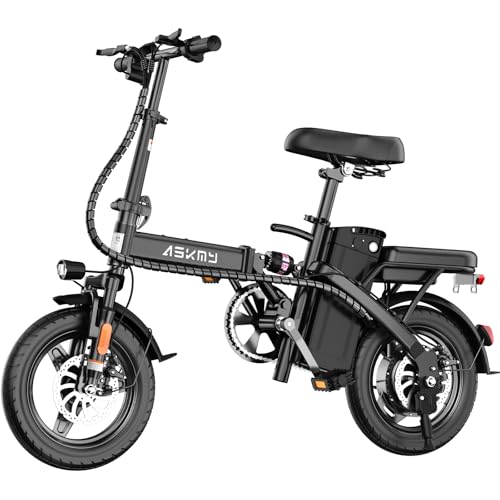
At $999, the Lectric XP 3.0 is the most affordable entry on this list—and one of the best values overall. It folds for storage, has a 500W motor, and includes a 48V 10.4Ah battery with up to 45 miles of range. While it lacks some refinements like hydraulic brakes (it uses mechanical discs), it’s a solid choice for budget-conscious riders who need portability and basic functionality.
How to Choose the Right E-Bike for Your Commute
With so many options, narrowing down your choice requires matching the bike to your specific needs. Follow these steps:
- Assess your daily distance: If you ride under 15 miles round-trip, a 400–500Wh battery is sufficient. Longer commutes may require 600Wh or dual-battery setups.
- Consider terrain: Flat cities like Amsterdam or Copenhagen favor hub motors and simpler drivetrains. Hilly areas like San Francisco or Denver benefit from mid-drive motors with torque sensing.
- Evaluate storage and transport: Can you bring the bike upstairs? Do you need to take it on public transit? Folding models like the Lectric XP save space but may sacrifice ride quality.
- Test ride when possible: Comfort is subjective. A bike that feels stable and responsive to one rider might feel sluggish to another. Visit local shops or attend demo days.
- Factor in total cost of ownership: Include maintenance, potential upgrades, and insurance. Some brands offer better warranty coverage or service networks.
Also consider local regulations. In most U.S. states, Class 1 and Class 2 e-bikes (pedal-assist up to 20 mph) are allowed on bike paths. Class 3 models (up to 28 mph) may be restricted. Always check municipal rules before purchasing.
Common Pitfalls to Avoid
Even the best e-bike can disappoint if expectations aren’t aligned with reality. Watch out for these mistakes:
- Overestimating range: Manufacturer claims are often based on ideal conditions. Real-world range drops with hills, headwinds, cargo, and cold weather. Plan for 20–30% less than advertised.
- Ignoring weight: E-bikes typically weigh 40–70 lbs. Heavier models are harder to maneuver at low speeds and challenging to carry upstairs.
- Skimping on brakes: Disc brakes are essential. Rim brakes wear quickly and lose effectiveness when wet. Hydraulic systems offer better modulation and require less hand force.
- Neglecting serviceability: Some brands use proprietary parts that are hard to replace. Choose models with widely available components or strong dealer support.
- Buying solely on price: The cheapest e-bikes often cut corners on motors, batteries, or frames. A mid-range model with reliable parts usually offers better long-term value.
Maintenance Tips to Extend Your E-Bike’s Life
Regular care keeps your e-bike running efficiently and safely. Follow this basic routine:
- Clean weekly: Wipe down the frame, chain, and drivetrain with a damp cloth. Avoid high-pressure washers near electrical components.
- Lubricate the chain: Use bike-specific lubricant every 100–200 miles. Wipe off excess to prevent grime buildup.
- Check tire pressure: Underinflated tires increase rolling resistance and risk flats. Inflate to the recommended PSI (usually printed on the sidewall).
- Inspect brakes: Ensure pads aren’t worn down and rotors are clean. Squeaking or reduced stopping power signals a need for adjustment.
- Update firmware: Some e-bikes receive software updates that improve motor performance or battery management. Check the manufacturer’s website periodically.
- Store indoors: Batteries degrade faster in extreme temperatures. Keep your e-bike in a dry, temperate space when not in use.
Most issues can be resolved with basic tools, but complex electrical problems should be handled by a certified technician. Keep your warranty information and purchase receipt accessible.
Final Thoughts: Comfort, Efficiency, and Value Go Hand in Hand
Electric bicycles reviewed for riders who want comfort and efficiency with a focus on value for city streets prove that you don’t need to spend thousands to enjoy a reliable, enjoyable commute. The best models blend thoughtful design, proven components, and practical features that make daily riding easier and more pleasant. By prioritizing ergonomics, battery life, and real-world usability, these e-bikes help riders save time, reduce stress, and cut transportation costs—all while contributing to cleaner city air.
Whether you choose a budget-friendly foldable or a premium trekking model, the right e-bike becomes an extension of your daily routine. Invest in one that fits your lifestyle, and you’ll likely find yourself reaching for the handlebars instead of the car keys.
FAQ
How far can I really ride on a single charge?
Most city e-bikes offer 30–60 miles of range, but real-world distance depends on terrain, rider weight, assist level, and weather. For daily commutes under 15 miles, even modest batteries are sufficient. Always plan for 20–30% less than the manufacturer’s estimate.
Are e-bikes allowed on bike paths and sidewalks?
In most U.S. cities, Class 1 and Class 2 e-bikes (up to 20 mph) are permitted on bike lanes and multi-use paths. Sidewalk riding is often prohibited or restricted—check local laws. Class 3 e-bikes may have additional limitations.
Do I need to insure my electric bicycle?
Insurance isn’t required in most states, but it’s wise for higher-value models. Some homeowners or renters policies cover e-bikes, or you can purchase specialized coverage. Theft protection is especially valuable in urban areas.
