
Road Cycling Guide: Comparing Endurance and Race-Focused Bicycles for Weekend Ride Range Leave a comment
Road Cycling Guide: Comparing Endurance and Race-Focused Bicycles for Weekend Ride Range
Choosing between an endurance and a race-focused road bike can significantly impact your weekend riding experience, especially when range and comfort over long distances matter. This road cycling guide breaks down the key differences in geometry, components, and ride quality to help you decide which style better supports your goals. Whether you’re covering 50 miles on rolling hills or pushing for speed on flat stretches, understanding how each bike type performs will ensure you pick the right machine for sustained, enjoyable rides.
Understanding the Core Differences: Endurance vs. Race Bikes
At first glance, endurance and race road bikes may look similar—both feature drop handlebars, lightweight frames, and dropper-compatible setups. But under the surface, their design philosophies diverge to serve different riding styles. Endurance bikes prioritize comfort and stability over long durations, while race-focused models emphasize aerodynamics, stiffness, and responsiveness for performance-oriented riders.
Frame Geometry and Rider Position
The most noticeable distinction lies in frame geometry. Endurance bikes typically feature a taller head tube and shorter top tube, resulting in a more upright riding position. This reduces strain on the back, neck, and shoulders—critical for riders logging 60+ mile weekend rides. In contrast, race bikes have a lower front end and longer reach, encouraging an aggressive, aerodynamic posture that maximizes power transfer but can become uncomfortable over extended periods.
For example, the Specialized Roubaix (endurance) offers a relaxed geometry with stack-to-reach ratios above 1.5, while the Trek Emonda (race-focused) leans toward 1.3 or lower, promoting a forward-leaning stance. If your weekend rides include mixed terrain or frequent stops, the endurance setup provides better control and less fatigue.
Wheelbase and Handling
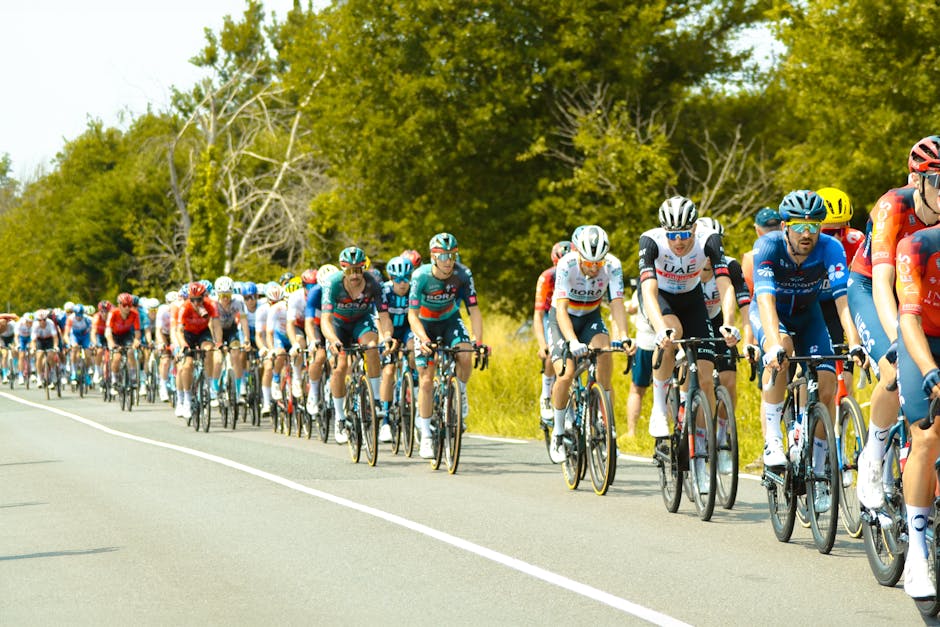
Endurance bikes generally have a longer wheelbase, which enhances stability at speed and over rough pavement. This makes them more forgiving on long descents or when carrying gear. Race bikes, with their shorter wheelbases and steeper head tube angles, deliver quicker steering response—ideal for tight cornering in group rides or crit racing—but can feel twitchy on uneven roads.
Component Choices That Affect Ride Range
Beyond frame design, component selection plays a major role in how far and how comfortably you can ride. Both bike types may use similar drivetrains (like Shimano 105 or SRAM Rival), but endurance models often include features that support longer, more variable routes.
Tire Clearance and Comfort
One of the biggest advantages of endurance bikes is increased tire clearance. Many can accommodate tires up to 32mm or even 35mm wide, allowing for lower pressures and better shock absorption. Wider tires reduce rolling resistance on rough surfaces and improve grip, directly contributing to a smoother, less fatiguing ride over long distances.
Race bikes, by contrast, are often limited to 25mm or 28mm tires to maintain aerodynamic efficiency. While this reduces drag, it also transmits more road vibration to the rider—something that becomes apparent after several hours in the saddle.
Drivetrain and Gear Range
For weekend riders tackling hilly terrain, gear range matters. Endurance bikes frequently come equipped with compact or sub-compact cranksets (e.g., 46/30T) paired with wide-range cassettes (11-34T or 11-36T), providing easier climbing gears. This setup helps maintain cadence on steep grades without excessive effort.
Race bikes typically use standard (53/39T) or semi-compact (52/36T) chainrings with tighter cassette ranges (11-28T or 11-30T), optimized for sustained high-speed efforts on flat to rolling roads. While efficient for fast group rides, they can leave riders struggling on steep climbs unless swapped out.
Suspension and Damping Technologies
Some endurance models incorporate built-in compliance features. The Cannondale Synapse uses SAVE micro-suspension in the rear triangle and fork to absorb road buzz. Similarly, Giant Defy frames include D-Fuse seatposts and handlebars designed to dampen vibrations. These innovations reduce fatigue and allow riders to go farther with less discomfort.
Race bikes rarely include such features, as they prioritize stiffness for power transfer. While this benefits sprinting and acceleration, it means more road shock reaches the rider—potentially shortening effective ride range.
Real-World Ride Range: What to Expect
When it comes to actual distance capability, endurance bikes often have the edge for typical weekend riders. Their comfort-oriented design allows for longer time in the saddle without discomfort, which translates to greater range before fatigue sets in.
Consider two riders of similar fitness: one on an endurance bike with 32mm tires and a relaxed position, the other on a race bike with 25mm tires and an aggressive stance. On a 70-mile ride with variable pavement and moderate hills, the endurance rider is likely to finish stronger, with less soreness and better control during descents.
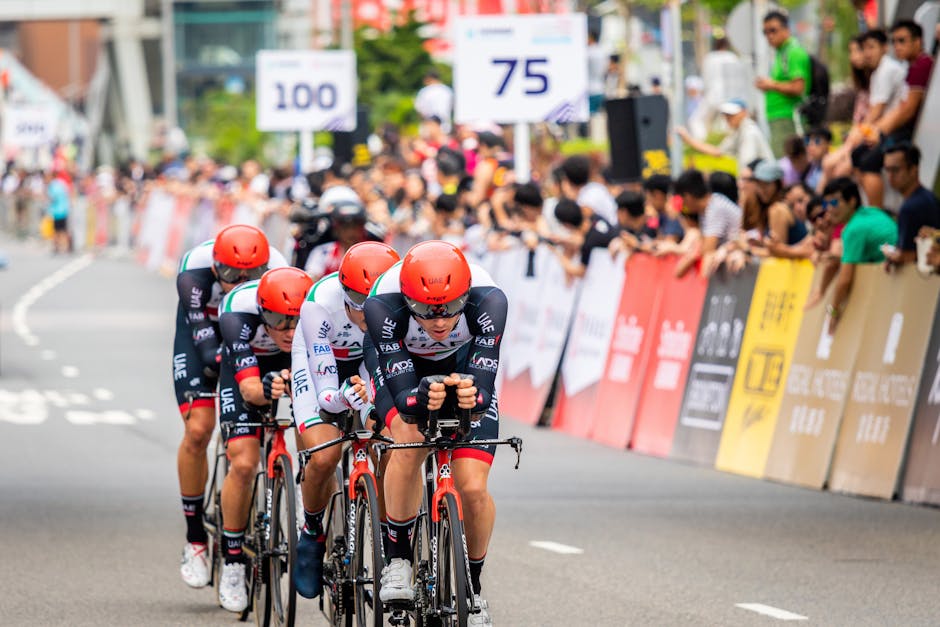
That said, race bikes can still cover long distances—especially for experienced riders who prioritize speed. Professional cyclists routinely ride 100+ miles on race geometry bikes during stage races. But for the average enthusiast, the trade-off in comfort often limits practical range.
Choosing the Right Bike for Your Weekend Rides
Your ideal bike depends on how you typically spend your weekends. Ask yourself:
- Do I prioritize speed and performance, or comfort and distance?
- Are my routes mostly flat, or do they include significant climbs and rough roads?
- Do I ride solo for hours, or in fast-paced group rides?
- Will I carry gear, or travel light?
If you answer “comfort,” “hills,” “solo,” or “gear” more often, an endurance bike is likely the better fit. If you lean toward “speed,” “flat roads,” “group rides,” and “lightweight,” a race-focused model may suit you better.
Hybrid Options and Modern Trends
The line between categories is blurring. Many modern “all-road” or “sportive” bikes blend endurance comfort with race-inspired performance. Models like the Scott Addict RC Ultimate or Merida Scultura Endurance offer race geometry with added tire clearance and compliance features, giving riders the best of both worlds.
Additionally, advances in carbon layup and tube shaping allow manufacturers to build stiffer, lighter frames that still absorb road noise. This means even performance-oriented bikes are becoming more rideable over long distances.
Maintenance and Setup Tips for Maximum Range
Regardless of bike type, proper setup and maintenance enhance range and comfort:
- Check tire pressure weekly: Use a pressure calculator based on your weight and tire width. Lower pressures (within safe limits) improve comfort and grip.
- Ensure correct saddle height and fore-aft position: Poor fit leads to inefficiency and pain, reducing how far you can comfortably ride.
- Use padded gloves and quality shorts: These reduce hand and sit-bone fatigue on long rides.
- Keep drivetrain clean and lubricated: A well-maintained chain improves efficiency and reduces effort.
Even small adjustments—like switching to ergonomic bar tape or a more compliant seatpost—can extend your effective range by reducing fatigue.
Common Mistakes to Avoid
Many riders choose based on looks or pro peloton inspiration, not practical needs. Avoid these pitfalls:
- Buying a race bike for long solo rides: The aggressive position may look fast, but it will cost you in comfort over 50+ miles.
- Ignoring tire width limits: Running narrow tires on rough roads increases fatigue and puncture risk.
- Overlooking fit: A “race-ready” bike that doesn’t fit well will never feel fast or comfortable.
- Neglecting test rides: Always ride both types before deciding. Feel matters more than specs.
Final Thoughts: Matching Bike to Rider
This road cycling guide highlights that endurance and race-focused bicycles serve different purposes. For weekend riders seeking range, comfort, and versatility, endurance bikes typically offer the best balance. They allow you to ride farther, recover faster, and enjoy the journey—whether you’re exploring scenic backroads or training for a century ride.
Race bikes excel in competitive environments or for riders who prioritize speed and responsiveness. But unless you’re regularly participating in events or training at high intensity, their benefits may not outweigh the comfort trade-offs.
Ultimately, the right choice depends on your riding style, terrain, and personal preferences. Take time to evaluate your habits, test ride options, and invest in a bike that supports your goals—not just your aspirations.
FAQ
Can I use a race bike for long weekend rides?
Yes, but it may be less comfortable over extended distances due to aggressive geometry and limited tire clearance. Experienced riders can adapt, but endurance bikes are generally better suited for long-range comfort.
Do endurance bikes sacrifice speed?
Not necessarily. While they may be slightly heavier and less aerodynamic, modern endurance bikes are still fast. The difference in speed is often negligible for non-competitive riders, especially when factoring in sustained effort over long rides.
Should I upgrade components to improve range?
Upgrades like wider tires, a better saddle, or ergonomic handlebar tape can enhance comfort and efficiency. However, starting with the right frame geometry is more impactful than component swaps alone.
Related keywords: Road cycling guide for comparing endurance and race-focused bicycles with a focus on range for weekend rides.
