


Electric Bicycles for Family Riders Who Want Smooth and Practical Transport with a Focus on Range for Weekend Rides Leave a comment
Electric Bicycles for Family Riders Who Want Smooth and Practical Transport with a Focus on Range for Weekend Rides
If you’re a family looking for a reliable, eco-friendly way to get around—especially for weekend adventures—electric bicycles offer a smart solution. Electric bicycles for family riders who want smooth and practical transport with a focus on range for weekend rides combine comfort, utility, and extended battery life to make longer outings enjoyable and stress-free. Whether you’re cruising to the park, running errands, or exploring scenic trails, the right e-bike can turn routine trips into memorable experiences. With models designed for carrying gear, passengers, or both, today’s e-bikes are built to meet the real-world needs of families without sacrificing performance or safety.
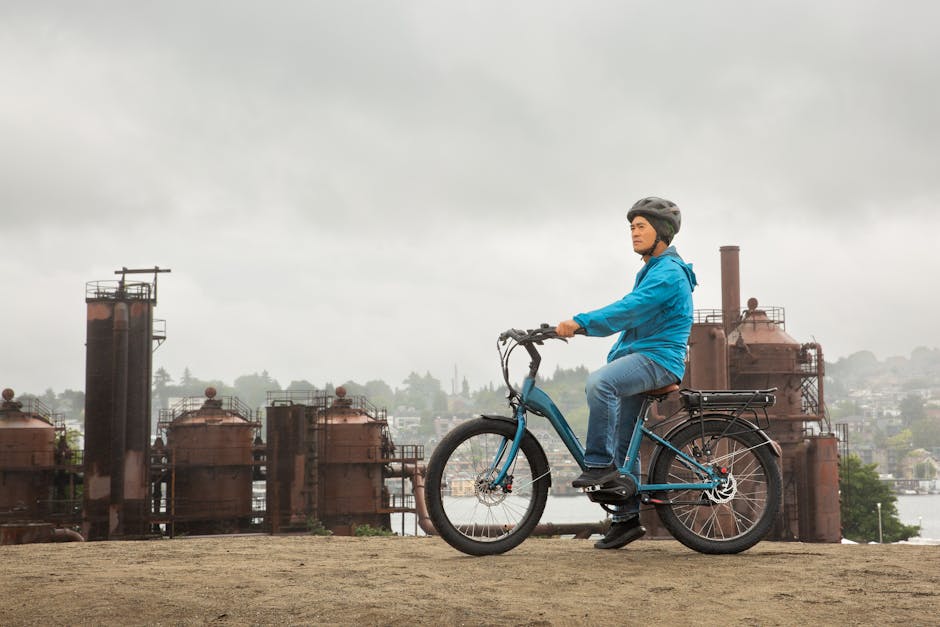
Why Families Are Choosing Electric Bicycles
Families are increasingly turning to electric bicycles as a practical alternative to cars for short-to-medium distance travel. Unlike traditional bikes, e-bikes provide pedal assistance, making it easier to cover longer distances, tackle hills, and arrive at your destination without excessive fatigue. This is especially valuable when transporting children, groceries, or sports equipment.
Electric bicycles reduce reliance on fossil fuels, lower transportation costs, and contribute to healthier lifestyles. They’re also ideal for urban environments where parking is limited and traffic congestion is common. For weekend rides, the extended range of modern e-bikes means you can explore farther without worrying about running out of power.
Key Benefits for Family Use
- Extended Range: Many family-friendly e-bikes now offer 50–100 miles per charge, depending on terrain, rider weight, and assist level.
- Comfort and Stability: Wider tires, suspension systems, and ergonomic frames provide a smooth ride on varied surfaces.
- Cargo Capacity: Rear racks, front baskets, and integrated child seats allow you to carry everything from backpacks to toddler passengers.
- Safety Features: Integrated lights, reflective elements, and responsive brakes enhance visibility and control.
- Ease of Use: Simple controls, intuitive displays, and walk-assist modes make e-bikes accessible for all skill levels.
Understanding Range: What Matters Most for Weekend Rides
Range is one of the most critical factors when choosing an electric bicycle for family outings. A bike with insufficient range can cut your adventure short or leave you stranded. Fortunately, advancements in battery technology have significantly improved how far you can go on a single charge.
Most mid-range to high-end e-bikes now use lithium-ion batteries with capacities between 400Wh and 750Wh. The actual range you’ll achieve depends on several variables:
- Battery Capacity: Measured in watt-hours (Wh), higher numbers generally mean longer range.
- Motor Efficiency: Mid-drive motors tend to be more efficient than hub motors, especially on hills.
- Terrain: Flat roads extend range; hilly or off-road routes reduce it.
- Weight Load: Carrying passengers or cargo increases energy consumption.
- Assist Level: Using lower pedal assist settings conserves battery.
- Tire Pressure and Type: Properly inflated, low-resistance tires improve efficiency.
For example, a 625Wh battery on a flat route with moderate assist might deliver 80 miles. The same bike climbing hills with a child seat and cargo could drop to 40–50 miles. Always check manufacturer estimates under real-world conditions, not just ideal lab tests.
Real-World Range Examples
| E-Bike Model | Battery Capacity | Estimated Range (Miles) | Best For |
|---|---|---|---|
| Rad Power Bikes RadWagon 4 | 672Wh | 45–70 | Cargo hauling, family errands |
| Tern GSD S10 | 500Wh (expandable to 1000Wh) | 50–100+ | Compact utility, dual child seats |
| Trek Allant+ 7S | 625Wh | 50–80 | Commuting, weekend trail rides |
| Specialized Turbo Vado SL 5.0 | 320Wh (with range extender) | 80–120 | Lightweight touring, long-distance rides |
These examples show how design and intended use affect range. Cargo e-bikes like the RadWagon prioritize utility over speed, while lightweight models like the Turbo Vado SL focus on efficiency for longer rides.
Choosing the Right E-Bike for Your Family’s Needs
Not all electric bicycles are created equal—especially when it comes to family use. Here’s how to narrow down your options based on your lifestyle and weekend plans.
1. Determine Your Primary Use
Ask yourself: Will the bike主要用于 commuting, weekend recreation, or both? If you plan to ride on weekends with kids in tow, prioritize models with child seat compatibility, stable handling, and ample cargo space. For mixed use, look for versatility—like a bike that handles pavement and light trails.
2. Consider Passenger and Cargo Needs
Many families use e-bikes to transport children. Look for models with ISO-compliant child seat mounts or integrated rear racks that support up to 45 lbs. Some bikes, like the Tern GSD, can carry two children with optional accessories. If you frequently carry groceries or sports gear, ensure the bike has sturdy racks and tie-down points.
3. Evaluate Motor and Battery Placement
Mid-drive motors (located near the pedals) offer better weight distribution and efficiency, especially on hills. Hub motors (in the front or rear wheel) are simpler and often less expensive but may feel less balanced when loaded. For family rides with variable terrain, a mid-drive motor is usually the better choice.
4. Test Ride for Comfort and Fit
Fit matters. A bike that’s too tall or short can make riding uncomfortable or unsafe. Step-through frames are popular with families because they allow easy mounting and dismounting, especially when carrying children or wearing casual clothing. Adjustable handlebars and seat posts help accommodate different riders.
5. Check Local Laws and Safety Requirements
E-bike regulations vary by region. In the U.S., Class 1 and Class 2 e-bikes (pedal-assist up to 20 mph) are widely permitted on bike paths. Class 3 (up to 28 mph) may have restrictions. Always wear helmets, use lights, and follow traffic rules—especially when riding with children.
Top Features to Look for in Family E-Bikes
Beyond range and motor type, several features enhance the family riding experience. These aren’t just nice-to-haves—they’re essential for safety, convenience, and long-term satisfaction.
Integrated Lighting
Front and rear lights powered by the bike’s battery ensure visibility during early morning or evening rides. Look for models with automatic activation or brake-light sensors.
Fenders and Chain Guards
Fenders protect riders from mud and water, while chain guards keep clothing clean and prevent accidents. These are especially useful in rainy climates or when riding with kids.
Suspension Systems
Front suspension forks absorb bumps on uneven paths, improving comfort. Full suspension is rare on utility e-bikes but may be worth considering for off-road weekend adventures.
Digital Displays and Connectivity
Clear displays show speed, battery level, distance, and assist mode. Some models offer smartphone integration for navigation, ride tracking, and theft alerts.
Walk-Assist and Throttle Options
Walk-assist helps when pushing the bike uphill or through crowds. A throttle (on Class 2 bikes) allows full electric power without pedaling—useful for starting from a stop with a heavy load.
Maintaining Your E-Bike for Consistent Performance
Regular maintenance ensures your e-bike remains safe and efficient, especially when relying on it for family transport. Neglecting upkeep can reduce range, damage components, and compromise safety.
Essential Maintenance Tips
- Check Tire Pressure Weekly: Underinflated tires increase rolling resistance and drain the battery faster. Use a gauge and inflate to the PSI listed on the tire sidewall.
- Clean the Drivetrain: Wipe down the chain, cassette, and derailleur after muddy or wet rides. Apply lubricant every few weeks.
- Inspect Brakes: Ensure brake pads aren’t worn and that levers engage smoothly. Hydraulic brakes may need professional servicing.
- Store Battery Properly: Keep the battery charged between 30% and 80% for long-term health. Avoid extreme temperatures.
- Update Firmware: Some e-bikes receive software updates that improve performance or fix bugs. Check the manufacturer’s website periodically.
Most manufacturers recommend a professional tune-up every 500–1,000 miles. This includes checking alignment, tightening bolts, and testing electrical connections.
Cost Considerations and Value Over Time
Electric bicycles represent a significant investment, with prices typically ranging from $1,500 to $5,000+. While this may seem high compared to traditional bikes, the long-term savings can be substantial.
Consider the costs of car ownership: fuel, insurance, maintenance, parking, and depreciation. A single e-bike can replace multiple short car trips per week, saving hundreds of dollars annually. Over five years, that adds up to thousands in avoided expenses.
Additionally, many cities offer rebates or tax incentives for e-bike purchases. For example, California’s Clean Bike Rebate Project provides up to $1,000 off qualifying models. Check local programs to reduce your upfront cost.
When evaluating value, look beyond the sticker price. A $3,000 e-bike with a 750Wh battery, mid-drive motor, and five-year warranty may offer better long-term value than a cheaper model with limited range and no service network.
Safety First: Riding with Children and Gear
Safety is paramount when riding with family. Even the best e-bike won’t protect you if basic precautions are ignored.
Child Passenger Safety
- Always use certified child seats that meet safety standards (e.g., EN 14344).
- Ensure the seat is securely mounted and the child is properly harnessed.
- Limit speed when carrying passengers—most experts recommend staying under 15 mph.
- Teach children to hold on and stay seated during the ride.
Cargo Security
- Use bungee cords or cargo nets to secure bags and boxes.
- Distribute weight evenly to maintain balance.
- Avoid overloading—check the bike’s maximum payload rating.
Rider Preparation
- Wear a helmet—adults and children alike.
- Use hand signals and obey traffic laws.
- Ride defensively, especially in traffic or near parked cars.
- Plan routes with bike lanes or low-traffic roads when possible.
Consider taking a family cycling safety course if available in your area. Many bike shops and community centers offer free or low-cost training.
Final Thoughts: Making the Switch to Family E-Biking
Electric bicycles for family riders who want smooth and practical transport with a focus on range for weekend rides are more than a trend—they’re a sustainable, enjoyable, and cost-effective way to move through daily life. With the right model, you can reduce your carbon footprint, save money, and create lasting memories on weekend adventures.
Start by identifying your needs: how far you ride, how much you carry, and who rides with you. Test a few models, prioritize safety and range, and don’t overlook maintenance. The perfect e-bike is out there—one that fits your family’s rhythm and opens up new possibilities for exploration.
FAQ
How far can I really go on a single charge with a family e-bike?
Most family e-bikes offer 45–80 miles per charge under normal conditions. Range depends on battery size, terrain, weight, and assist level. For weekend rides, choose a model with at least a 600Wh battery and consider a second battery for longer trips.
Can I ride an e-bike in the rain with my kids?
Yes, most e-bikes are designed to handle light rain. Avoid submerging the battery or motor, and dry the bike after wet rides. Use fenders to keep everyone dry and ensure tires have good tread for wet surfaces.
Are electric bicycles safe for children to ride on?
Electric bicycles are safe for children when used with proper child seats, helmets, and supervision. Always follow manufacturer guidelines, obey speed limits, and ride in safe environments. Never allow unsupervised riding by minors.
