
How to Maintain a Bicycle and Make Components Last Much Longer on City Streets Leave a comment
How to Maintain a Bicycle and Make Components Last Much Longer on City Streets
Maintaining a bicycle for city riding doesn’t require professional tools or mechanical expertise—just consistent care and smart setup choices. Whether you commute daily or use your bike for errands, knowing how to maintain a bicycle and make components last much longer can save you time, money, and frustration. City streets present unique challenges: stop-and-go traffic, potholes, curbs, debris, and frequent braking all accelerate wear. By focusing on proper setup, routine cleaning, and component-specific upkeep, you can significantly extend the life of your drivetrain, brakes, tires, and frame. This guide walks you through essential steps tailored to urban environments, helping you ride smoother and longer with fewer repairs.
Why City Riding Demands Extra Care
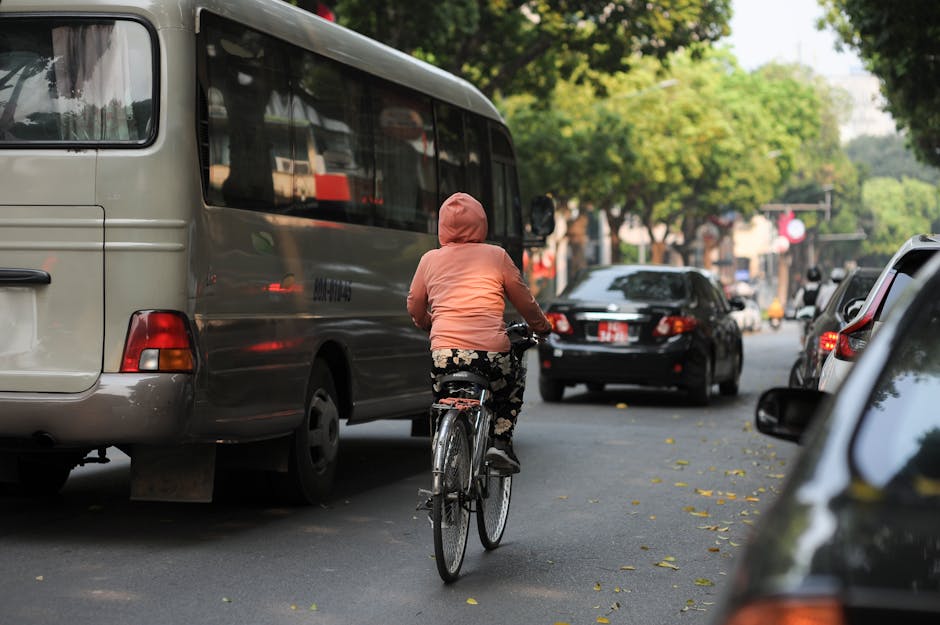
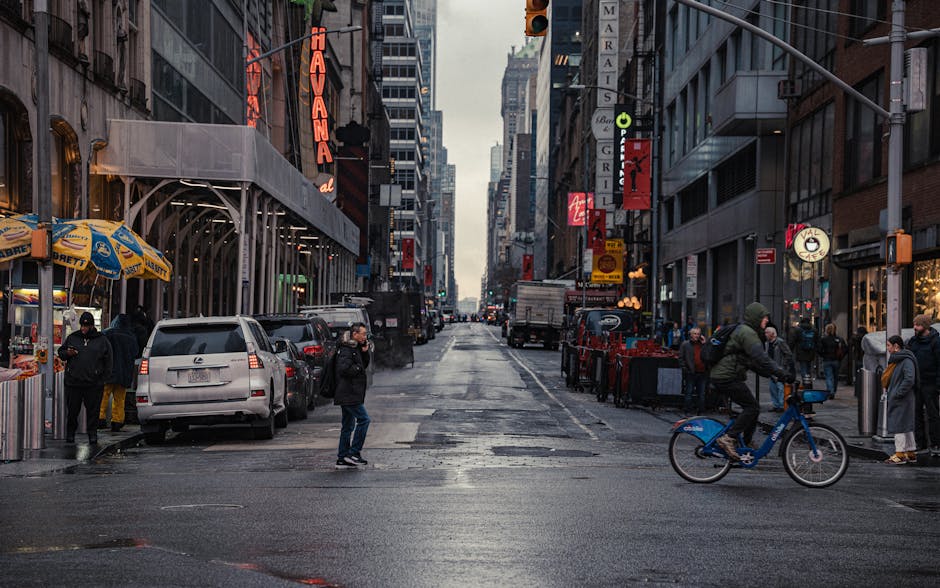
Urban cycling is tough on bikes. Unlike trail or long-distance riding, city commutes involve constant acceleration, sudden stops, exposure to rain and grime, and navigating rough pavement. These conditions accelerate wear on nearly every part of your bike. Brake pads wear faster due to frequent use, chains collect grit from roads, and tires face nails, glass, and sharp debris. Even the frame can suffer from corrosion if exposed to road salt in winter climates. Without regular attention, small issues compound into costly replacements. The good news? A few proactive habits go a long way in preserving your bike’s performance and longevity.
Start with the Right Setup for City Streets
Before you even ride, your bike’s setup plays a major role in how long components last. A poorly adjusted bike increases strain on parts and leads to premature failure. Focus on three key areas: tire pressure, brake alignment, and drivetrain tension.
Tire Pressure: The Foundation of Urban Durability
Correct tire pressure reduces rolling resistance, improves grip, and prevents pinch flats—common on pothole-ridden city roads. Underinflated tires flex excessively, generating heat and wearing down sidewalls. Overinflated tires offer a harsh ride and are more prone to punctures from sharp objects.
Check your tire’s recommended PSI range (printed on the sidewall) and adjust based on your weight and riding conditions. For most city riders, staying near the middle of that range works best. Use a reliable floor pump with a gauge, and check pressure weekly. In winter, increase pressure slightly to compensate for temperature drops.
Brake Alignment and Pad Condition
City riding means constant braking—at lights, crosswalks, and intersections. Misaligned or worn brake pads reduce stopping power and damage rims. Inspect pads monthly: if they’re thinner than 1mm or unevenly worn, replace them. Ensure pads contact the rim squarely and don’t rub when the brake isn’t applied.
For rim brakes, clean the rims with isopropyl alcohol to remove brake dust and road grime. For disc brakes, avoid touching the rotor with bare hands and use a dedicated cleaner. Squeaky or weak brakes often signal contamination or misalignment—don’t ignore them.
Drivetrain Tension and Chain Wear
A loose or overly tight chain accelerates wear on the chain, cassette, and chainrings. Use a chain checker tool every 500 miles to measure stretch. A worn chain (0.5% or more elongation) damages other drivetrain parts, leading to expensive replacements. Replace the chain before it reaches 0.75% wear to protect your cassette and chainrings.
Keep the chain properly tensioned—especially on single-speed or internally geared bikes. If your chain slips or skips under load, it’s likely too loose or worn.
Routine Cleaning: The Most Overlooked Maintenance Step
Cleaning your bike isn’t just about aesthetics—it’s essential for longevity. Dirt, salt, and moisture trap against components, causing corrosion and accelerated wear. A clean bike runs smoother and lasts longer.
How to Clean Your City Bike Properly
Follow this simple routine every 2–4 weeks, or after rainy rides:
- Rinse gently: Use a hose on low pressure to remove loose dirt. Avoid high-pressure sprays—they force water into bearings and seals.
- Scrub with soapy water: Use a mild detergent and soft brush or sponge. Focus on the chain, cassette, derailleur, and brake rotors (if applicable).
- Dry thoroughly: Wipe down the frame and components with a clean cloth. Let it air-dry completely before applying lubricants.
- Lubricate the chain: Apply a drop of bike-specific lubricant to each chain roller. Wipe off excess to prevent attracting grime.
Avoid household cleaners or degreasers not designed for bikes—they can strip protective coatings and damage seals.
Lubrication: Less Is More
Proper lubrication keeps moving parts running smoothly, but over-lubing is a common mistake. Excess lubricant attracts dirt, forming a grinding paste that wears down components.
Use a wet lube in rainy or humid conditions and a dry lube in dry, dusty environments. Apply lubricant only to the chain’s inner rollers—never to brakes, tires, or rims. After applying, wipe off any visible residue with a clean rag.
Lubricate the chain every 100–200 miles or after wet rides. For internally geared hubs or belt drives, follow manufacturer guidelines—some require specialized lubricants or no lubrication at all.
Component-Specific Care for City Riding
Different parts of your bike face different stresses in urban environments. Tailor your maintenance to each component’s needs.
Chain and Drivetrain
The chain is the hardest-working part of your bike. In city riding, it’s exposed to grit, moisture, and constant load changes. Clean and lube it regularly. Replace it before it stretches beyond 0.75%. A new chain costs $20–$50; replacing a worn cassette can cost $80–$200.
Keep the derailleur pulleys clean and aligned. If shifting becomes sluggish or noisy, check for dirt buildup or bent components.
Tires and Tubes
City tires face sharp debris, curbs, and rough pavement. Use puncture-resistant tires with reinforced casings (e.g., Schwalbe Marathon, Continental Gatorskin). Consider tubeless setups or tire liners for added protection.
Inspect tires weekly for cuts, embedded glass, or wear indicators. Replace tires when the tread is smooth or sidewalls show cracks. Carry a spare tube or puncture repair kit for on-the-go fixes.
Brakes
Rim brakes wear down both pads and rims over time. Check rim walls for grooves or thinning. Disc brakes require less frequent pad changes but need rotor cleaning and occasional bleeding if hydraulic.
Test brakes before every ride. If lever travel increases or braking feels spongy, service may be needed.
Frame and Bearings
Even aluminum and carbon frames can corrode if exposed to salt and moisture. Wipe down the frame after wet rides. Inspect for cracks, especially around welds and joints.
Headset, bottom bracket, and wheel bearings should turn smoothly without play. If you hear grinding or feel roughness, have them serviced or replaced.
Seasonal Maintenance for Urban Riders
City bikes face seasonal challenges. Adjust your maintenance routine accordingly.
Winter Care
In cold, wet, or snowy climates, road salt and slush accelerate corrosion. Rinse your bike after every ride if possible. Use a wet lube on the chain. Consider fenders to reduce spray onto the drivetrain. Store your bike indoors when not in use.
Check brake performance frequently—wet conditions reduce stopping power. Replace worn pads promptly.
Spring and Summer
Warmer weather means more riding—and more wear. Increase cleaning frequency. Inspect tires for dry rot if the bike was stored over winter. Re-lubricate the chain and check all bolts for tightness.
Common Mistakes That Shorten Component Life
Even careful riders make errors that reduce bike longevity. Avoid these pitfalls:
- Ignoring small noises: Squeaks, clicks, or grinding often signal early wear. Address them before they worsen.
- Using the wrong lubricant: Motor oil, WD-40, or household oils attract dirt and damage seals. Use only bike-specific lubes.
- Skipping chain checks: A worn chain ruins cassettes and chainrings. Check regularly.
- Over-tightening bolts: This can strip threads or crack carbon parts. Use a torque wrench for critical components.
- Storing outdoors: Exposure to rain and sun degrades rubber, paint, and bearings. Keep your bike under cover.
When to Seek Professional Help
While most maintenance is DIY-friendly, some tasks require tools or expertise. Take your bike to a shop if:
- You hear persistent grinding from the bottom bracket or headset
- Brake levers feel spongy or won’t engage properly
- Wheels wobble or bearings feel rough
- You’re unsure about cable tension or derailleur alignment
Regular professional tune-ups (once or twice a year) can catch issues early and keep your bike running efficiently.
Essential Tools for City Bike Maintenance
You don’t need a full workshop—just a few key tools make maintenance easier:
| Tool | Purpose | Recommended Use |
|---|---|---|
| Floor pump with gauge | Inflate tires to correct PSI | Weekly |
| Chain checker | Measure chain wear | Every 500 miles |
| Bike-specific lubricant | Lubricate chain and moving parts | Every 100–200 miles |
| Soft brush and sponge | Clean frame and drivetrain | Every 2–4 weeks |
| Torx/Allen wrench set | Tighten bolts and adjust components | As needed |
Final Tips to Make Your Bike Last
Consistency is key. A few minutes of weekly care prevent hours of repairs later. Store your bike indoors, clean it regularly, and listen to how it sounds. A well-maintained bike isn’t just safer—it’s more enjoyable to ride.
Remember: how to maintain a bicycle and make components last much longer isn’t about perfection. It’s about awareness and routine. By setting up your bike correctly for city streets and sticking to a simple maintenance schedule, you’ll extend the life of every part—from chain to brakes to frame—and keep rolling smoothly for years.
Related keywords: How to maintain a bicycle and make components last much longer with a focus on setup for city streets.
