

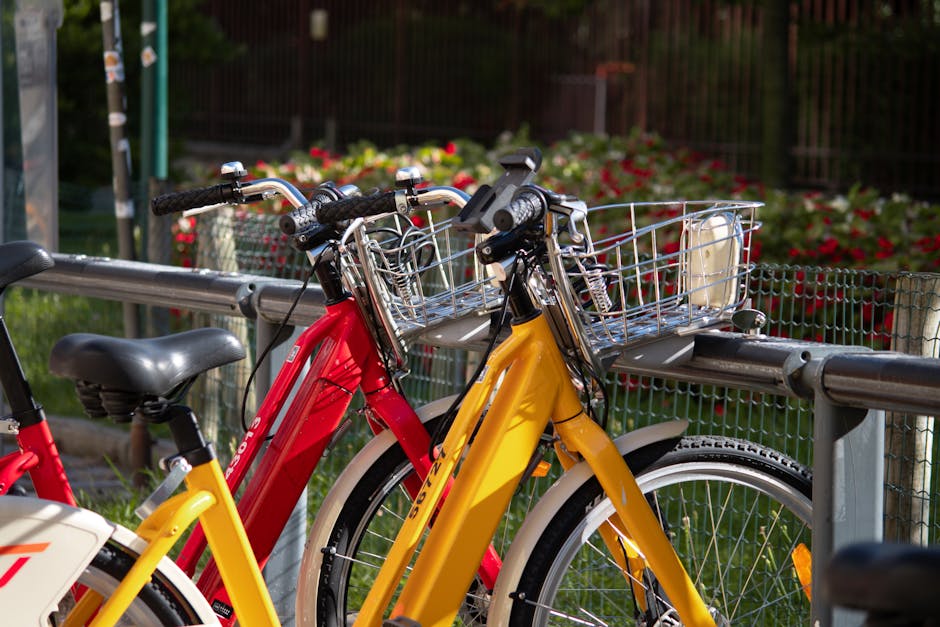
Cycling Tips Every Weekend Riders Should Know Before Riding Longer Distances on City Streets Leave a comment
Cycling Tips Every Weekend Riders Should Know Before Riding Longer Distances on City Streets
Weekend cyclists looking to tackle longer rides through city streets need more than just enthusiasm—they need practical, versatile strategies to stay safe, comfortable, and efficient. Whether you’re commuting, exploring new neighborhoods, or training for a weekend event, these cycling tips every weekend riders should know will help you adapt to urban terrain, traffic patterns, and unpredictable conditions. From gear selection to route planning and body positioning, this guide covers essential practices that make longer city rides smoother and more enjoyable.
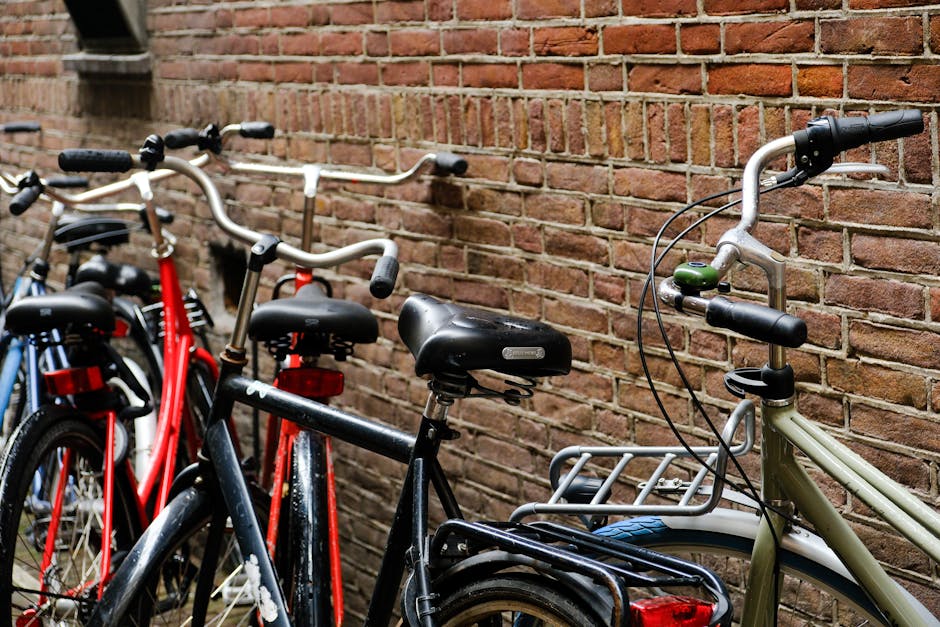
Plan Your Route with City Challenges in Mind
City streets present unique obstacles: stop-and-go traffic, potholes, construction zones, and mixed-use lanes shared with pedestrians and vehicles. A well-planned route can mean the difference between a stressful ride and a smooth journey.
- Use bike-friendly mapping tools: Apps like Komoot, Ride with GPS, or Google Maps (with cycling layer enabled) highlight protected bike lanes, low-traffic roads, and elevation changes.
- Avoid high-congestion corridors during peak hours: Major avenues may look direct, but side streets often offer faster, safer alternatives with fewer red lights and less idling traffic.
- Scout unfamiliar routes beforehand: If you’re riding to a new part of town, do a short test ride or review street-level imagery to identify potential hazards like narrow lanes or frequent bus stops.
For example, instead of taking a 5-mile stretch along a busy commercial boulevard, consider a parallel route through residential zones with bike lanes—this might add half a mile but reduce stress and stop frequency significantly.
Choose the Right Bike and Setup for Urban Versatility
Not all bikes are created equal when it comes to city riding. Weekend riders should prioritize comfort, control, and adaptability over speed alone.
- Hybrid or gravel bikes are ideal: These offer upright geometry for better visibility, wider tire clearance for absorbing bumps, and mounting points for racks and fenders.
- Tire width matters: Opt for 28–35mm tires with moderate tread. They roll efficiently on pavement but provide enough grip and cushion for cracked sidewalks or gravel patches.
- Install practical accessories: A rear rack, panniers, or a sturdy backpack can carry essentials like tools, water, and layers. Fenders keep you dry in unexpected rain, and a bell or horn improves communication with pedestrians.
Avoid overly aggressive road bikes with narrow tires and drop handlebars unless you’re primarily riding on smooth, dedicated bike paths. The added comfort and stability of a versatile setup pay off over longer distances.
Master Urban Riding Techniques for Safety and Flow
City cycling demands constant awareness and adaptability. Mastering a few key techniques helps you move confidently through traffic and unpredictable environments.
Positioning in Traffic
Take the lane when necessary. In narrow streets or when approaching intersections, ride in the center of the rightmost lane to prevent unsafe passing and make yourself visible to turning vehicles. This is especially important at red lights—don’t hug the curb where drivers may not see you.
Use Hand Signals Consistently
Even if other cyclists don’t use them, clear hand signals communicate your intentions to drivers and pedestrians. Extend your left arm straight out to signal a left turn, bend it upward for a right turn (or use your right arm if preferred), and extend it downward to indicate slowing or stopping.
Scan and Predict
Keep your eyes moving—check mirrors, glance over your shoulder before changing lanes, and watch for car doors opening (“door zone” awareness). Anticipate pedestrian crossings, delivery trucks double-parking, and buses pulling out.
Prepare for Weather and Changing Conditions
City weather can shift quickly, and microclimates between tall buildings or near water can affect temperature and wind. Weekend riders should always be ready for variability.
- Layer smartly: A moisture-wicking base layer, lightweight windbreaker, and packable rain shell fit easily in a small bag. Avoid cotton—it retains sweat and chill.
- Check the forecast before you ride: Even a 20% chance of rain warrants fenders and a waterproof jacket. Morning fog or afternoon thunderstorms can catch unprepared riders off guard.
- Adjust tire pressure: Slightly lower pressure (within recommended range) improves grip on wet or uneven pavement.
On a recent spring ride through downtown, one rider avoided a slippery manhole cover by spotting it early and shifting weight back—small adjustments like this prevent falls and maintain momentum.
Fuel and Hydrate Like a Long-Distance Rider
Even city rides over 15–20 miles require attention to energy and hydration. Stop-and-go riding burns more calories than steady cruising due to frequent acceleration and braking.
- Carry water: Use a bottle cage or hydration pack. Aim for 16–20 oz per hour of riding, more in heat.
- Snack strategically: Energy bars, bananas, or nut butter packets provide quick fuel. Eat every 45–60 minutes to maintain blood sugar.
- Know your refueling stops: Identify cafes, parks, or rest areas along your route where you can safely pause and recharge.
Dehydration and fatigue sneak up quickly in urban environments due to heat retention from asphalt and buildings. Don’t wait until you’re thirsty—drink regularly.
Maintain Your Bike for Reliable Performance
A well-maintained bike is safer and more efficient, especially when covering longer distances on varied city terrain.
- Check tire pressure weekly: Underinflated tires increase rolling resistance and puncture risk.
- Lubricate the chain every 100–200 miles: Use a wet lube in rainy climates, dry lube in dusty areas.
- Inspect brakes before long rides: Squeaking or soft levers mean it’s time for adjustment or pad replacement.
- Carry a basic repair kit: Include a spare tube, mini pump, tire levers, multi-tool, and patch kit. Know how to fix a flat—it’s the most common mid-ride issue.
A simple pre-ride checklist—tires, brakes, chain, lights—takes two minutes but prevents most avoidable breakdowns.
Stay Visible and Communicate Clearly
In city traffic, visibility is safety. Assume drivers and pedestrians don’t see you—even when they should.
- Use front and rear lights year-round: Even during the day, LED lights increase your presence. Flashing modes are more noticeable in urban glare.
- Wear bright or reflective clothing: A neon jersey or reflective vest stands out far better than dark colors.
- Make eye contact at intersections: Confirm that drivers see you before proceeding. If in doubt, wait.
One rider avoided a right-hook collision by slowing and making direct eye contact with a turning SUV driver—communication saved a potential accident.
Know When to Walk or Dismount
Not every obstacle requires a risky maneuver. Sometimes, the safest choice is to get off and walk.
- Heavy pedestrian traffic: In crowded plazas or markets, dismounting shows respect and reduces collision risk.
- Steep or unstable terrain: Loose gravel, steep curbs, or icy patches are better navigated on foot.
- Complex intersections: If signaling and positioning feel unsafe, cross with the walk signal like a pedestrian.
Walking your bike for 30 seconds is faster and safer than risking a fall or confrontation.
Build Endurance Gradually
Longer rides require physical preparation. Jumping from 10 to 30 miles without training leads to fatigue, soreness, and burnout.
- Increase distance by 10% per week: This allows your body to adapt without overuse injuries.
- Mix intensity: Include some easy rides for recovery and occasional tempo efforts to build stamina.
- Stretch after rides: Focus on hips, hamstrings, and shoulders to maintain flexibility and reduce stiffness.
Start with 12–15 mile weekend rides, then add 2–3 miles each week. Within a month, 25-mile city loops become manageable.
Respect Local Laws and Etiquette
Rules vary by city, but common regulations include riding with traffic, stopping at red lights and stop signs, and using bike lanes when available. Ignoring them risks fines and endangers others.
- Never ride on sidewalks unless permitted: In most downtown areas, it’s illegal and hazardous to pedestrians.
- Yield to pedestrians at crosswalks: Even if you have the right of way, a polite pause prevents conflict.
- Lock your bike securely: Use a U-lock through the frame and rear wheel, and anchor to a fixed object. Avoid cable locks for long stops.
Being a courteous rider builds goodwill and encourages cities to invest in better cycling infrastructure.
Final Thoughts: Ride Smart, Ride Often
The best cycling tips every weekend riders should know center on preparation, awareness, and adaptability. City streets reward those who plan ahead, stay visible, and respect the flow of urban life. With the right mindset and gear, longer rides become not just possible, but enjoyable. Start small, build consistency, and let each ride teach you something new about your city—and yourself.
FAQ
What’s the best type of bike for long city rides?
A hybrid or gravel bike with upright handlebars, 28–35mm tires, and mounting points for racks and fenders offers the best balance of comfort, control, and versatility for urban environments.
How can I stay safe in heavy traffic?
Take the lane when necessary, use hand signals, maintain eye contact with drivers, and always assume you’re not seen. Ride predictably and avoid weaving between cars.
Do I really need lights during the day?
Yes. Daytime running lights increase your visibility in urban glare, tunnels, and shaded areas. A bright front light and flashing rear light make you stand out to drivers and pedestrians.
Related keywords: Cycling tips every weekend riders should know before riding longer distances with a focus on versatility for city streets.
