
Electric Bicycle Advice That Makes Daily Riding Easier and More Efficient on City Streets Leave a comment
Electric Bicycle Advice That Makes Daily Riding Easier and More Efficient on City Streets
Navigating city streets on an electric bicycle can be a smooth, efficient, and enjoyable experience—if you have the right knowledge and setup. Electric bicycle advice that makes daily riding easier and more efficient with a focus on control for city streets centers on practical adjustments, smart habits, and equipment choices that enhance safety, comfort, and responsiveness. Whether you’re commuting to work, running errands, or simply exploring your neighborhood, mastering control over your e-bike ensures you move confidently through traffic, tight turns, and unpredictable urban terrain. This guide covers essential tips, from bike setup to riding techniques, designed specifically for city environments.
Why Control Matters Most on Urban Rides
In dense city settings, quick decisions and precise handling are crucial. Unlike open roads or bike paths, city streets present constant variables: pedestrians, sudden stops, potholes, curbs, buses, and cyclists weaving through traffic. Without proper control, even a minor misstep can lead to accidents or delays. An e-bike’s added speed and weight amplify these risks if not managed well. That’s why prioritizing control isn’t just about comfort—it’s about safety and efficiency. Riders who maintain consistent control reduce fatigue, avoid collisions, and complete trips faster with fewer stops.
Consider this: a rider who brakes smoothly and anticipates turns will cover the same route in less time than one who constantly swerves or overcorrects. Control also means being predictable to others on the road, which reduces the chance of misunderstandings with drivers and pedestrians.
Choosing the Right E-Bike for City Control
Not all electric bicycles are built equally for urban environments. When selecting an e-bike for daily city use, prioritize models that emphasize stability, responsive handling, and maneuverability. Key features to look for include:
- Step-through frames – Allow quick mounting and dismounting, especially useful at traffic lights or crowded intersections.
- Mid-drive motors – Positioned near the pedals, they offer better weight distribution and smoother power delivery than hub motors, improving balance on inclines and during turns.
- Wide, puncture-resistant tires – Tires with a width of 1.95” to 2.3” provide better grip on wet pavement and cushion against potholes.
- Hydraulic disc brakes – Deliver consistent stopping power in all weather conditions, essential for sudden stops in traffic.
- Adjustable handlebars and suspension – Help absorb shocks from uneven surfaces and allow a more upright, controlled riding posture.
For example, the RadCity 5 Plus and Trek Allant+ 7S are popular models praised for their city-friendly geometry and reliable braking systems. Test riding different models is highly recommended—comfort and control are highly personal, and what works for one rider may not suit another.
Weight and Center of Gravity
E-bikes are heavier than traditional bicycles due to the motor and battery. A lower center of gravity improves stability, especially when making sharp turns or stopping abruptly. Look for bikes with batteries mounted low on the downtube. Avoid models with top-tube batteries unless they’re specifically designed to balance weight distribution.
Optimizing Your E-Bike Setup for City Riding
Even the best e-bike can underperform if not properly adjusted. Small tweaks to your setup can dramatically improve control and efficiency.
Tire Pressure and Tread
Check tire pressure weekly. Underinflated tires increase rolling resistance and reduce responsiveness, while overinflated ones offer less grip. For city riding, aim for the middle range of the recommended pressure (usually printed on the tire sidewall). For example, if your tires are rated 40–65 PSI, 50–55 PSI is ideal for most urban conditions.
Choose tires with a smooth or lightly treaded center for pavement efficiency, and slightly knobby edges for cornering grip. The Schwalbe Energizer Pro is a top choice for commuters due to its puncture protection and low rolling resistance.
Brake Maintenance
Brakes are your first line of defense. Inspect brake pads monthly for wear—replace them when they’re less than 1mm thick. Ensure brake levers engage smoothly and don’t pull too close to the handlebars. If they do, adjust the cable tension or have a mechanic bleed the hydraulic system if you’re using disc brakes.
A simple test: at a safe speed, apply both brakes. The bike should stop straight without pulling to one side. If it veers, one brake may be dragging or worn unevenly.
Handlebar and Saddle Position
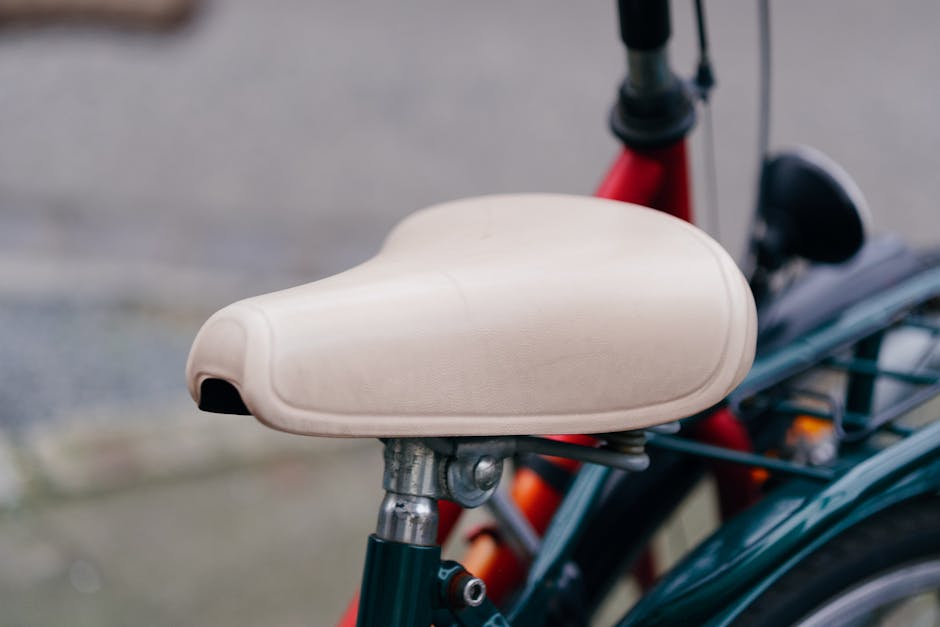
Your posture affects control. An upright position improves visibility and reduces strain on your wrists and back. Adjust the saddle height so your leg is nearly straight at the bottom of the pedal stroke. Handlebars should be level or slightly raised, allowing relaxed shoulders and easy access to controls.
If your e-bike has a throttle, ensure it’s positioned for easy thumb or twist access without requiring you to shift your grip. Avoid over-relying on throttle in tight spaces—pedal-assist mode gives better control at low speeds.
Riding Techniques for Better Urban Control
How you ride matters as much as your equipment. These techniques will help you maintain control in real-world city conditions.
Anticipate and Scan
Always look ahead—at least 10 to 15 seconds down the road. Watch for opening car doors, pedestrians stepping off curbs, and traffic light changes. Use your peripheral vision to monitor side streets and bike lanes. This habit reduces surprises and gives you time to react smoothly.
Use Both Brakes Correctly
Most e-bikes have front and rear brakes. The front brake provides up to 70% of your stopping power, but using it alone can cause you to flip forward. Apply both brakes together, with slightly more pressure on the front. Feather the brakes during wet conditions to avoid skidding.
Example: When approaching a red light, begin braking early and gradually. This conserves battery (since you’re not accelerating hard afterward) and prevents abrupt stops that could startle others.
Master Low-Speed Maneuvering
City riding often involves slow speeds—waiting at intersections, navigating bike lanes, or avoiding obstacles. Practice slow-speed balance in a safe area. Use small pedal strokes and keep your weight centered. If your e-bike has a walk-assist mode, use it when dismounting on steep hills or crowded sidewalks.
Signal Early and Clearly
Use hand signals at least 100 feet before turning. Extend your left arm straight out for a left turn, left arm bent up for a right turn (or right arm out if more visible). Make eye contact with drivers when possible. This communicates your intentions and reduces the chance of collisions.
Efficiency Tips for Daily Commuting
Efficiency isn’t just about speed—it’s about consistency, energy use, and time management. These strategies help you get from point A to B with minimal effort and maximum reliability.
Choose the Right Assist Level
Most e-bikes offer multiple pedal-assist levels (e.g., Eco, Tour, Sport, Turbo). Use lower levels on flat terrain or when traffic is light. Save higher levels for hills or when you’re running late. Riding in Eco mode can extend your range by 30–50%, letting you go further on a single charge.
For example, on a 10-mile commute with moderate traffic, using Eco for the first half and Tour for the second can balance speed and battery life effectively.
Plan Your Route
Use apps like Komoot, Google Maps (Bicycle Layer), or Citymapper to find bike-friendly routes. Prioritize streets with dedicated bike lanes, lower speed limits, and fewer intersections. Avoid main arterials during rush hour if possible. A slightly longer route with less traffic can save time and reduce stress.
Example: A 12-minute ride on a busy avenue might take 15 minutes in traffic, while a 14-minute ride on a quieter side street with bike lanes could actually be faster and safer.
Charge Smart
Charge your battery to 80–90% for daily use. Lithium-ion batteries last longer when kept between 20% and 80% charge. Avoid draining it completely. If you’re not riding for several days, store the battery at around 50% charge in a cool, dry place.
Use a timer or smart plug to avoid overcharging. Most modern e-bikes have built-in protection, but it’s still best practice to unplug once charged.
Safety Gear and Visibility
Control also means being seen and protected. City environments demand extra visibility and protective measures.
Lighting
Use a bright front light (at least 400 lumens) and a rear red light, even during the day. Flashing modes increase visibility in traffic. Consider lights with side visibility or built-in turn signals for added safety.
Reflective Elements
Wear reflective clothing or add reflective tape to your bike, helmet, and bag. Bright colors (yellow, orange, lime green) improve daytime visibility. Avoid dark clothing, especially at dawn or dusk.
Helmet and Protection
Always wear a helmet. Look for one with MIPS (Multi-directional Impact Protection System) for added safety. Consider padded gloves for better grip and fall protection, and knee/elbow pads if you ride aggressively or in high-traffic areas.
Weather Considerations
Rain, wind, and cold affect both control and efficiency. Adjust your riding style accordingly.
Wet Conditions
Reduce speed by 20–30% in the rain. Brake earlier and avoid painted road markings, manhole covers, and metal grates—they become slippery when wet. Use fenders to keep water and mud off you and your bike.
Wind
Headwinds increase effort and reduce range. Lean slightly forward and use lower assist levels to maintain control. Tailwinds can tempt you to go faster—stay alert and avoid exceeding safe speeds, especially in traffic.
Cold Weather
Battery performance drops in cold temperatures. Keep your battery insulated or bring it indoors when not in use. Wear layered clothing and protect extremities with gloves and shoe covers.
Common Mistakes to Avoid
Even experienced riders make errors that compromise control and efficiency. Be aware of these pitfalls:
- Relying too much on throttle – This drains the battery quickly and reduces handling precision at low speeds.
- Ignoring traffic rules – Running red lights or riding against traffic increases accident risk and undermines predictability.
- Overloading the bike – Excess weight affects balance and braking. Stay within the manufacturer’s recommended load limit (usually 220–300 lbs including rider and cargo).
- Skipping regular maintenance – Worn brakes, loose bolts, or misaligned wheels can lead to sudden failures.
Conclusion
Electric bicycle advice that makes daily riding easier and more efficient with a focus on control for city streets boils down to preparation, awareness, and consistent habits. From choosing the right bike and maintaining it properly to mastering urban riding techniques and prioritizing safety, every detail contributes to a smoother, safer commute. By focusing on control, you not only protect yourself but also move more efficiently through the city’s complex environment. With the right approach, your e-bike becomes more than a vehicle—it becomes a reliable partner in your daily routine.
FAQ
How can I improve my e-bike’s handling in tight city spaces?
Practice low-speed balance, use pedal-assist instead of throttle at slow speeds, and keep your weight centered. Ensure your tires are properly inflated and your brakes are responsive.
What’s the best way to extend my e-bike’s battery life during daily commutes?
Use lower assist levels on flat terrain, avoid full throttle, charge to 80–90%, and keep the battery between 20% and 80% for daily use. Plan efficient routes to minimize unnecessary acceleration.
Should I use front or rear brake more when stopping in traffic?
Use both brakes together, with slightly more pressure on the front. The front brake provides most stopping power, but using it alone can cause a forward flip. Feather the brakes in wet conditions to prevent skidding.
