Best Bicycles for Beginners Based on Fit, Terrain, and Real-World Value with a Focus on Control for City Streets Leave a comment
Best Bicycles for Beginners Based on Fit, Terrain, and Real-World Value with a Focus on Control for City Streets
Choosing the best bicycles for beginners starts with understanding how fit, terrain, and value impact your daily ride—especially on city streets where control, comfort, and confidence matter most. Whether you’re commuting, running errands, or exploring your neighborhood, the right bike should feel stable, easy to handle, and suited to your body and route. This guide breaks down the key factors every new rider should consider, highlights top beginner-friendly models, and helps you avoid common pitfalls. By focusing on real-world usability over flashy specs, you’ll find a bike that grows with you—without breaking the bank.

Why Fit Matters More Than You Think
A bike that doesn’t fit properly can turn a simple ride into a frustrating or even painful experience. For beginners, proper fit ensures better control, reduces fatigue, and lowers the risk of injury. Unlike experienced riders who might adjust to an imperfect setup, new cyclists benefit most from a bike that feels natural from the first pedal stroke.
Key Fit Considerations for New Riders
- Frame size: Your height determines the correct frame size. Most brands provide size charts—measure your inseam and compare it to the manufacturer’s recommendations.
- Standover height: You should be able to stand over the top tube with both feet flat and at least 1–2 inches of clearance.
- Saddle position: A properly adjusted seat lets you extend your leg almost fully at the bottom of the pedal stroke, with a slight bend in the knee.
- Handlebar reach: Your arms should rest comfortably without overreaching or hunching. Flat handlebars on city bikes offer a more upright, relaxed posture.
Many local bike shops offer free fitting sessions or adjustments with purchase. If buying online, look for brands that include detailed sizing guides and return policies that allow for exchanges.
Terrain and Tire Choice: Matching Your Ride to City Conditions
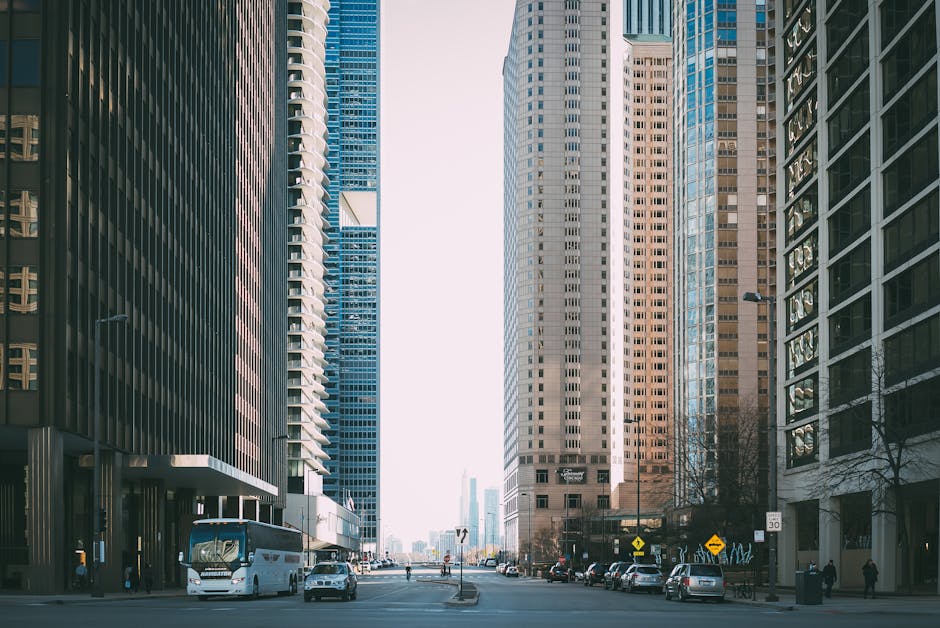
City streets present a mix of smooth pavement, potholes, curbs, bike lanes, and occasional gravel or dirt paths. The right tires and frame geometry can make navigating these surfaces safer and more comfortable.
Tire Width and Tread: Stability Over Speed
Beginners benefit from wider tires (28mm to 38mm) with moderate tread. These provide better grip on wet roads, absorb bumps, and increase stability—critical when making sudden stops or avoiding obstacles. Narrow, slick tires (common on road bikes) may feel fast but offer less control in unpredictable urban environments.
Frame Geometry: Upright vs. Aggressive
Look for bikes with relaxed geometry—shorter top tubes and taller head tubes—that promote an upright riding position. This improves visibility in traffic and reduces strain on your back and neck. Avoid aggressive, forward-leaning frames unless you’re planning to transition to longer rides or fitness cycling.
Real-World Value: What “Affordable” Really Means
“Budget-friendly” doesn’t have to mean low quality. The best bicycles for beginners offer reliable components, durable frames, and low maintenance—without unnecessary upgrades that inflate the price.
Components That Matter (and Ones You Can Skip)
- Drivetrain: A 7- to 8-speed internal hub or derailleur system is sufficient for city riding. More gears aren’t needed unless you live in a hilly area.
- Brakes: Mechanical disc brakes offer strong, consistent stopping power in all weather. Rim brakes are lighter and cheaper but wear faster and perform poorly when wet.
- Frame material: Aluminum is lightweight, rust-resistant, and affordable. Steel is durable and absorbs road vibration but adds weight. Avoid carbon fiber at this stage—it’s expensive and unnecessary for casual use.
- Accessories: Integrated lights, fenders, and rear racks add value for commuters. Some bikes include these; others let you add them later.
A bike priced between $400 and $800 typically offers the best balance of quality and cost for new riders. Spending less often means compromised components; spending more may include features you won’t use.
Top Beginner Bikes for City Streets
These models consistently earn praise for their fit, control, and everyday practicality. All are available through reputable retailers and designed with urban riders in mind.
1. Trek FX 1
The Trek FX 1 is a hybrid bike that blends road bike efficiency with mountain bike comfort. Its lightweight aluminum frame, 700c wheels, and 21-speed drivetrain make it versatile for flat commutes and mild hills. The upright geometry and ergonomic grips enhance control, while the included rear rack mounts let you add cargo capacity. Priced around $550, it’s a reliable entry point with room to grow.
2. Specialized Sirrus 2.0
With a slightly more refined ride than the FX 1, the Sirrus 2.0 features a lightweight frame, hydraulic disc brakes, and a 9-speed drivetrain. Its Body Geometry saddle and ergonomic design reduce pressure points, making it ideal for longer rides. At approximately $750, it’s a step up in comfort and stopping power—worth the investment if you plan to ride regularly.
3. Cannondale Quick 6
This model stands out for its smooth ride and responsive handling. The SmartForm C3 aluminum frame dampens vibrations, and the 24-speed drivetrain handles varied terrain with ease. Mechanical disc brakes provide reliable stopping, and the bike comes with mounts for fenders and a rack. At $600, it’s a strong contender for riders who want performance without complexity.
4. Giant Escape 3
One of the most affordable options on this list, the Escape 3 delivers solid performance at around $450. It features a lightweight ALUXX-grade aluminum frame, 21 speeds, and a comfortable upright position. While it uses rim brakes instead of discs, they’re adequate for dry conditions and flat terrain. Great for casual riders or those on a tight budget.
5. Marin Fairfax 1
Built for urban exploration, the Fairfax 1 includes a step-through frame option for easier mounting and dismounting. Its 8-speed drivetrain and mechanical disc brakes strike a smart balance between simplicity and control. The bike also comes with full fender and rack mounts, making it ideal for all-weather commuting. Priced at $650, it’s a practical choice for everyday use.
How to Test Ride and Finalize Your Choice
Never buy a bike without riding it first. Even the best-reviewed model may not suit your body or riding style. Follow these steps to make a confident decision:
- Visit local shops: Test ride at least three models. Pay attention to how the bike feels when starting, stopping, and turning.
- Check comfort over speed: You shouldn’t feel stretched or cramped. Your back should stay relaxed, and your hands shouldn’t go numb.
- Evaluate control: Practice slow-speed maneuvers like figure-eights or emergency stops. A good beginner bike should feel stable, not twitchy.
- Ask about service: Inquire about tune-up packages, warranty coverage, and return policies. A shop that offers free adjustments for the first few months adds real value.
- Consider future needs: Will you carry groceries? Ride in rain? Add lights or a child seat? Choose a bike with compatible mounts.
Common Mistakes to Avoid
Even with research, beginners often make avoidable errors. Watch out for these traps:
- Buying based on looks alone: A stylish bike won’t help if it doesn’t fit or handle well in traffic.
- Ignoring maintenance needs: All bikes require regular care. Choose one with accessible parts and local service support.
- Overestimating gear needs: More gears don’t equal better performance in the city. Simplicity often leads to fewer breakdowns.
- Skipping safety gear: A helmet, front and rear lights, and reflective clothing are non-negotiable for urban riding.
- Forgetting about storage: Measure your entryway, apartment hallway, or bike locker. Some frames are easier to store or transport than others.
Final Thoughts: Confidence Comes from the Right Fit
The best bicycles for beginners aren’t the lightest, fastest, or most advanced—they’re the ones that make you feel in control, comfortable, and ready to ride. By prioritizing fit, matching your bike to city terrain, and focusing on real-world value, you’ll avoid frustration and build lasting confidence. Start with a test ride, choose a model from a trusted brand, and remember: the goal isn’t perfection—it’s progress. With the right bike, every trip becomes an opportunity to explore, commute, and enjoy the ride.
FAQ
Q: What’s the most important feature for a beginner’s city bike?
A: Control and comfort. Look for an upright riding position, wide tires for stability, and reliable brakes—especially disc brakes for wet conditions.
Q: Can I use a mountain bike for city riding?
A: Yes, but it may feel sluggish on pavement due to heavy frames and knobby tires. A hybrid or city bike is usually a better fit for urban environments.
Q: How much should I spend on my first bike?
A: Aim for $400–$800. This range offers durable frames, decent components, and room for upgrades without overspending on features you may not need.
