

Best Bicycles to Consider for Smoother Commuting, Fitness, and Leisure Riding with a Focus on Comfort for New Cyclists Leave a comment
Best Bicycles to Consider for Smoother Commuting, Fitness, and Leisure Riding with a Focus on Comfort for New Cyclists
Choosing the right bicycle can transform your daily commute, fitness routine, or weekend ride into a more enjoyable, comfortable experience—especially if you’re new to cycling. The best bicycles to consider for smoother commuting, fitness, and leisure riding prioritize comfort, ease of use, and reliability. Whether you’re navigating city streets, exploring park trails, or simply staying active, selecting a bike that fits your body and riding style reduces strain and increases confidence. This guide highlights top bike types and models designed with new riders in mind, emphasizing ergonomic design, stable handling, and practical features that support longer, more enjoyable rides.
Why Comfort Matters Most for New Cyclists
For beginners, comfort is the foundation of consistent cycling. Discomfort—whether from a poorly fitted saddle, aggressive riding position, or jarring ride quality—can quickly turn a promising hobby into a chore. A comfortable bike encourages longer rides, reduces fatigue, and helps prevent common issues like back pain, numb hands, or sore knees.
Key comfort features include:
- Upright riding position: Keeps your spine neutral and reduces strain on your neck and shoulders.
- Padded, ergonomic saddle: Supports your sit bones and minimizes pressure points.
- Wide, grippy handlebars: Offer better control and reduce wrist fatigue.
- Suspension or shock-absorbing frames: Soften bumps on uneven roads or trails.
- Step-through frames: Make mounting and dismounting easier, especially in traffic or with casual clothing.
New cyclists should prioritize these elements over speed or aggressive geometry. A bike that feels good from the first mile will keep you coming back for more.
Top Bike Types for Comfort-Focused Riding
Not all bicycles are created equal when it comes to comfort. The following categories are ideal for commuting, fitness, and leisure, especially for those just starting out.
1. Hybrid Bikes: The All-Rounder for City and Trail
Hybrid bikes blend features from road and mountain bikes, offering a balanced ride that’s efficient on pavement yet capable on light gravel or packed dirt paths. They typically feature flat handlebars, medium-width tires, and a relaxed frame geometry—perfect for new riders who want versatility without complexity.
Why they’re great for beginners:
- Upright posture reduces back and neck strain
- Wide tires (32–42mm) absorb road vibrations
- Often include mounts for racks, fenders, and water bottles
- Available in step-through designs for easy access
Recommended models:
- Trek FX Series: Lightweight aluminum frames, reliable components, and a smooth ride. The FX 1 is an affordable entry point, while the FX 3 offers upgraded gears and hydraulic disc brakes.
- Specialized Sirrus: Known for its comfortable ride and durable build. The Sirrus 2.0 includes a suspension seatpost for added cushioning.
- Giant Escape: Offers excellent value with a relaxed geometry and puncture-resistant tires—ideal for daily commuting.
2. Comfort Bikes: Designed for Relaxed Riding
Comfort bikes (sometimes called cruiser hybrids) are built specifically for leisurely rides and short commutes. They emphasize ease of use and a plush ride, often featuring wide saddles, suspension seatposts, and swept-back handlebars.
Best for: Casual riders, short urban trips, and those with limited mobility or joint concerns.
Key features:
- Extra-wide, deeply padded seats
- Front suspension forks to absorb bumps
- Low standover height for easy mounting
- Simple gear systems (often 7-speed) for low-maintenance riding
Recommended models:
- Electra Townie: Famous for its patented Flat Foot Technology, which allows riders to place their feet flat on the ground while seated. Available in step-through and traditional frames.
- Schwinn Discover: Includes a rear rack, fenders, and a suspension seatpost—great for running errands or weekend rides.
- Sixthreezero Around the Block: Stylish, affordable, and equipped with a comfortable saddle and upright handlebars.
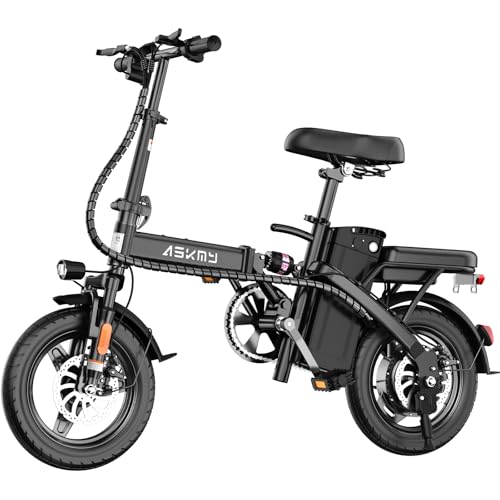
3. Electric Bikes (E-Bikes): Effortless Commuting and Extended Range
E-bikes have surged in popularity, particularly among new cyclists who want to cover longer distances or tackle hills without exhaustion. With pedal-assist motors, they reduce physical strain while still providing a workout.
Why e-bikes suit beginners:
- Motor assistance makes hills and headwinds manageable
- Encourages longer rides without overexertion
- Many models include comfort features like suspension and ergonomic grips
- Can replace car trips for short commutes
Recommended models:
- Rad Power Bikes RadCity: A top-rated commuter e-bike with a step-through option, integrated lights, and a comfortable saddle. Offers up to 45 miles per charge.
- Trek Verve+ 2: Smooth ride quality, reliable Bosch motor, and a relaxed geometry. Ideal for fitness and city riding.
- Specialized Turbo Vado SL: Lightweight for an e-bike, with a natural riding feel and smart connectivity features.
Note: E-bikes are heavier than traditional bikes and require charging. Ensure your storage and riding routes accommodate the added weight and range needs.
4. Recumbent Bikes: Maximum Comfort for Long Rides
For riders with back issues or those who prioritize ultimate comfort, recumbent bikes offer a laid-back seating position with full back support. While less common for commuting, they’re excellent for fitness and leisure on flat terrain.
Pros:
- Reduces pressure on hands, wrists, and sit bones
- Lower risk of injury due to stable, low-center-of-gravity design
- Ideal for long-distance riding without fatigue
Cons:
- Less maneuverable in traffic
- Harder to transport and store
- Limited availability and higher price point
Recommended model: TerraTrike Rambler – A stable, comfortable recumbent trike with adjustable seating and a smooth gear range.
Key Features to Look for in a Comfort-Oriented Bike
Beyond bike type, certain components and design elements directly impact comfort. Use this checklist when evaluating options:
Frame Material and Geometry
- Aluminum: Lightweight and affordable; common in hybrids and comfort bikes.
- Steel: Offers a smoother ride due to natural flex; often used in cruisers.
- Step-through frames: Easier to mount, especially for riders with limited flexibility or those wearing skirts or suits.
Tire Width and Tread
- Narrow tires (under 28mm) are faster but less comfortable.
- Medium-width tires (32–42mm) strike a balance between speed and cushioning.
- Wider tires (45mm+) provide excellent shock absorption but may slow you down.
- Smooth or lightly treaded tires are best for pavement; knobby tires suit trails.
Suspension Systems
- Front suspension forks: Help absorb bumps but add weight. Useful on rough roads.
- Suspension seatposts: A lighter, more efficient way to soften the ride without full suspension.
- No suspension: Simpler and lighter, ideal for smooth city streets.
Braking Systems
- Rim brakes (V-brakes): Affordable and easy to maintain, but less effective in wet conditions.
- Disc brakes (mechanical or hydraulic): Offer superior stopping power, especially in rain or on hills. Recommended for commuting and e-bikes.
Gearing
- 7–8 speed: Sufficient for flat terrain and light hills.
- 9–11 speed: Better for varied terrain and faster riding.
- Internal hub gears: Low maintenance and protected from weather; common in European-style commuters.
How to Choose the Right Bike for Your Needs
With so many options, narrowing down your choice can feel overwhelming. Follow these steps to find the best fit:
Step 1: Define Your Primary Use
- Commuting: Prioritize durability, fender/rack mounts, lights, and puncture-resistant tires. Hybrids or e-bikes work well.
- Fitness: Look for lightweight frames, efficient gearing, and a slightly more aggressive (but still comfortable) position. Hybrid or fitness bikes are ideal.
- Leisure: Focus on comfort, ease of use, and relaxed geometry. Comfort bikes or cruisers are perfect.
Step 2: Test Ride Before You Buy
Always test ride a bike before purchasing. Pay attention to:
- Can you touch the ground comfortably when stopped?
- Is the saddle supportive without causing numbness?
- Do your shoulders feel relaxed or hunched?
- Is shifting smooth and intuitive?
Most local bike shops offer test rides—take advantage of them.
Step 3: Get Professionally Fitted
A proper bike fit prevents discomfort and injury. Key adjustments include:
- Saddle height: When your leg is almost fully extended at the bottom of the pedal stroke.
- Saddle position: Adjusted forward or back to align your knee over the pedal spindle.
- Handlebar height: Higher for comfort, lower for efficiency.
Many shops offer free or low-cost fitting services with purchase.
Step 4: Consider Accessories for Comfort and Safety
Enhance your ride with these add-ons:
- Padded cycling shorts: Reduce saddle discomfort on longer rides.
- Ergonomic grips: Prevent hand numbness.
- Fenders: Keep you dry in wet weather.
- Rear rack and panniers: Carry groceries, bags, or work items.
- Helmet and lights: Essential for safety, especially in traffic.
Budget Considerations: Getting Value Without Sacrificing Comfort
You don’t need to spend thousands to get a comfortable, reliable bike. Here’s a realistic price guide:
| Bike Type | Entry-Level ($) | Mid-Range ($$) | Premium ($$$) |
|---|---|---|---|
| Hybrid | 300–500 | 500–800 | 800–1,200 |
| Comfort/Cruiser | 250–400 | 400–600 | 600–900 |
| E-Bike | 1,000–1,500 | 1,500–2,500 | 2,500–4,000+ |
| Recumbent | 800–1,200 | 1,200–2,000 | 2,000–3,500 |
Investing in a mid-range bike often provides the best balance of quality, comfort, and longevity. Avoid extremely cheap bikes (under $200), as they often use poor components and harsh frames that discourage riding.
Common Mistakes New Cyclists Make
Even with the right bike, beginners can run into issues. Avoid these pitfalls:
- Skipping the bike fit: A poorly adjusted bike causes discomfort and inefficiency.
- Ignoring tire pressure: Underinflated tires increase rolling resistance and risk flats. Check pressure weekly.
- Overestimating fitness level: Start with short, easy rides and build up gradually.
- Neglecting maintenance: Regular cleaning, chain lubrication, and brake checks keep your bike safe and smooth.
- Choosing style over function: A flashy bike that doesn’t fit or suit your needs will spend more time in the garage.
Final Thoughts: Finding Your Perfect Ride
The best bicycles to consider for smoother commuting, fitness, and leisure riding are those that make you want to ride—not ones that sit unused. For new cyclists, comfort is not a luxury; it’s a necessity. By choosing a bike with an upright position, supportive saddle, and features tailored to your lifestyle, you set yourself up for success.
Whether you opt for a versatile hybrid, a plush comfort bike, or an assisted e-bike, prioritize fit, ease of use, and ride quality. Visit a local shop, test a few models, and don’t rush the decision. The right bike will feel like an extension of your body—smooth, natural, and enjoyable from the first pedal stroke.
FAQ
What’s the most comfortable bike for a beginner?
The most comfortable bikes for beginners are typically hybrid or comfort bikes with upright geometry, wide saddles, and step-through frames. Models like the Electra Townie or Trek FX offer excellent comfort and ease of use.
Do I need an e-bike for commuting?
Not necessarily. E-bikes are helpful for hilly areas or long distances, but a well-equipped hybrid bike can handle most city commutes efficiently. Choose an e-bike if you want to reduce effort or extend your range.
How often should I maintain my bike?
Basic maintenance like cleaning the chain and checking tire pressure should be done monthly. A professional tune-up every 6–12 months ensures brakes, gears, and bearings work smoothly.
