
Road Cycling Mistakes That Can Slow Progress and Reduce Ride Enjoyment: A Guide for New Cyclists Leave a comment
Road Cycling Mistakes That Can Slow Progress and Reduce Ride Enjoyment: A Guide for New Cyclists
Starting out in road cycling is exciting, but it’s easy to fall into habits that hinder improvement and make rides less enjoyable. One of the most overlooked yet critical aspects—especially for new cyclists—is visibility. Many beginners unknowingly make road cycling mistakes that compromise safety, limit performance gains, and diminish overall ride satisfaction. From poor positioning to inadequate lighting, these errors can turn a promising ride into a frustrating or even dangerous experience. This guide highlights common pitfalls, explains why visibility matters more than many riders realize, and offers practical solutions to help you ride smarter, safer, and more confidently.
Why Visibility Is a Make-or-Break Factor in Road Cycling
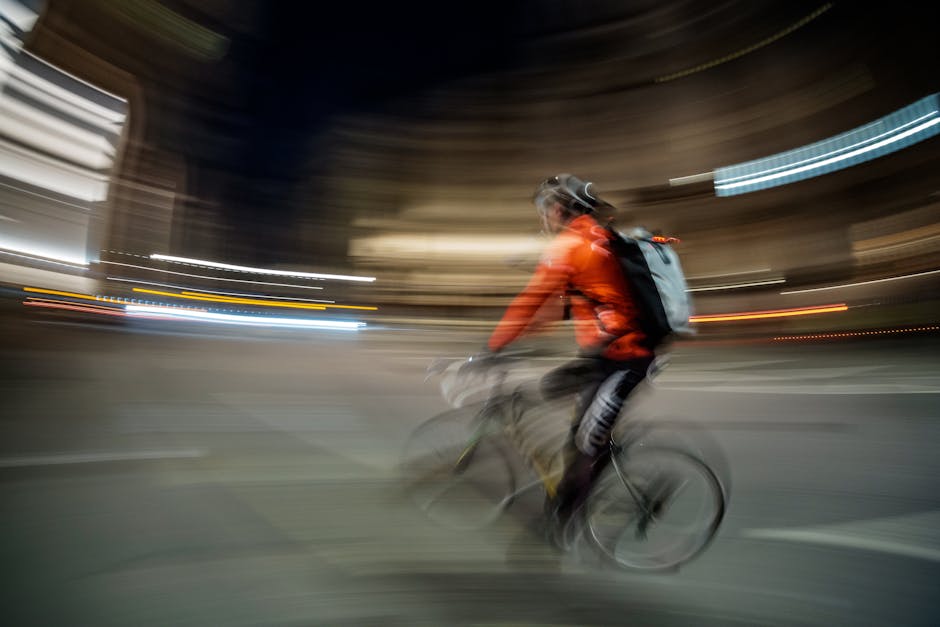
Visibility isn’t just about seeing the road—it’s equally about being seen by drivers, pedestrians, and other cyclists. For new road cyclists, poor visibility is one of the most significant yet underappreciated road cycling mistakes. Without proper lighting, reflective gear, or strategic positioning, you become a ghost on the road—present but unnoticed until it’s too late.
Consider this: during dawn, dusk, or overcast conditions, a cyclist without lights or bright clothing is nearly invisible to drivers from more than 50 feet away. Studies from transportation safety organizations consistently show that low-light conditions contribute to a disproportionate number of cycling accidents, even on familiar routes. Being seen early gives drivers time to react, reduces close passes, and increases your confidence—especially when riding solo.
Visibility also affects your awareness of the environment. Wearing dark clothing or riding with outdated, dim lights limits your ability to spot potholes, debris, or changes in road surface. This dual role—being seen and seeing clearly—makes visibility a cornerstone of safe and enjoyable road cycling.
Common Road Cycling Mistakes That Sabotage Progress
Beyond visibility, new cyclists often repeat a handful of errors that slow skill development and reduce ride quality. Recognizing these patterns early can save time, prevent injury, and make every mile more rewarding.
1. Riding Without Proper Lighting or Reflective Gear
Many beginners assume daytime rides don’t require lights or reflective elements. This is a dangerous misconception. Even in daylight, urban environments with heavy traffic, tree cover, or glare can obscure cyclists. A simple rear red light and front white light significantly increase your visibility from multiple angles.
Recommended setup for most conditions:
- Front light: At least 200 lumens, steady or pulse mode
- Rear light: Bright red, flashing mode for attention
- Reflective clothing or ankle bands: Highly visible to side-angle traffic
For early morning or evening rides, upgrade to 400+ lumen front lights and wear high-visibility jerseys or vests. Remember: it’s not just about legal compliance—it’s about creating a safety buffer.
2. Poor Bike Fit Leading to Discomfort and Inefficiency
A bike that doesn’t fit properly causes more than sore knees or back pain—it hampers pedaling efficiency, reduces control, and increases fatigue. New riders often overlook fit in favor of aesthetics or price, but even a high-end bike performs poorly if it’s the wrong size or improperly adjusted.
Key fit areas to check:
- Saddle height: Too high causes rocking; too low strains knees
- Reach to handlebars: Overreaching leads to neck and shoulder tension
- Saddle position: Forward or backward tilt affects power transfer and comfort
A professional bike fit session can resolve these issues, but even basic adjustments at home—using online guides or local shop advice—can make a noticeable difference. Comfort directly influences how long and how often you ride, which impacts long-term progress.
3. Neglecting Pre-Ride Checks and Maintenance
Skipping routine maintenance is a subtle but costly mistake. A poorly maintained bike behaves unpredictably: brakes fade, gears slip, and tires lose pressure. These issues not only slow you down but increase the risk of mechanical failure mid-ride.
Essential pre-ride checklist:
- Tire pressure (check manufacturer’s recommended PSI)
- Brake function (squeeze levers—should engage firmly)
- Chain lubrication (dry or gritty chains reduce efficiency)
- Quick-release levers and bolts (ensure wheels and saddle are secure)
Spending five minutes before each ride can prevent hours of frustration. A well-maintained bike feels responsive and smooth, encouraging longer, more consistent training.
4. Riding in the Wrong Position on the Road
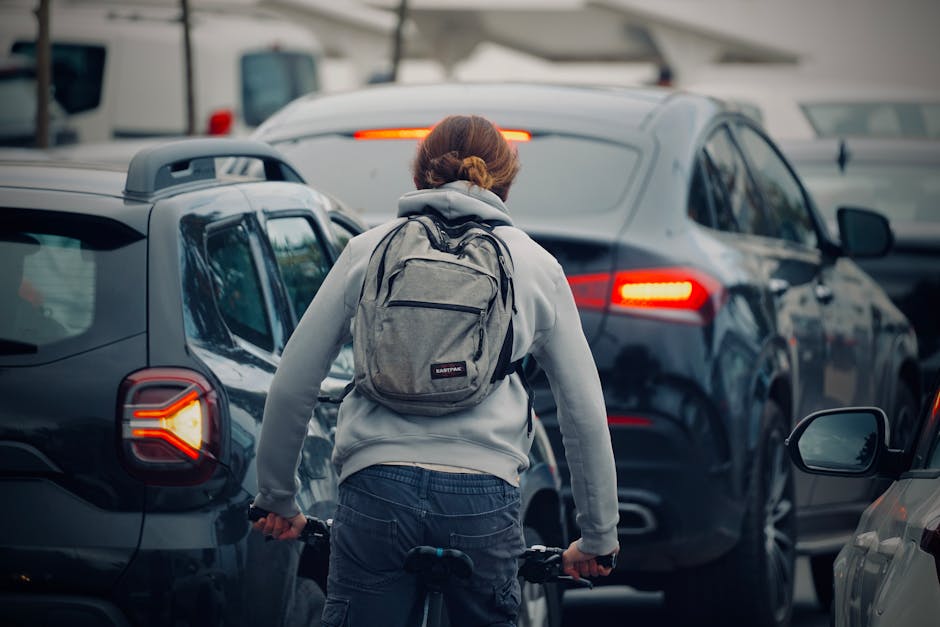
New cyclists often ride too far to the right, hugging the curb or edge of the road. While this may feel safer, it actually increases risk. Drivers expect cyclists to occupy the lane when necessary, and riding too far right invites unsafe passing, debris accumulation, and blind spot hazards.
The correct position depends on the situation:
- Wide lanes: Ride 12–18 inches from the edge to discourage close passes
- Narrow lanes: Take the lane if there’s no safe space for a car to pass
- Turning lanes: Move left early if turning left; stay right if going straight
This assertive positioning improves visibility and communicates your intentions clearly. It may feel uncomfortable at first, but it’s a proven safety strategy endorsed by cycling safety organizations.
5. Ignoring Nutrition and Hydration on Longer Rides
Even experienced riders sometimes underestimate fuel needs on rides over 60 minutes. New cyclists are especially prone to bonking—sudden fatigue from depleted glycogen stores—because they don’t plan ahead.
General guidelines:
- Drink water every 15–20 minutes, even if not thirsty
- Consume 30–60 grams of carbohydrates per hour on rides over 75 minutes
- Use electrolyte tablets in hot weather to prevent cramping
Simple options like energy gels, bananas, or sports drinks work well. Practice fueling during training rides so your body adapts before race day or long group rides.
6. Overestimating Fitness and Underestimating Recovery
Enthusiasm is great, but pushing too hard too soon leads to burnout or injury. New cyclists often skip rest days, ignore pain signals, or follow aggressive training plans without building a base.
Smart progression tips:
- Follow the 10% rule: increase weekly mileage by no more than 10%
- Include one or two rest days per week
- Listen to your body—persistent soreness or fatigue is a warning
Consistency beats intensity in the early stages. A steady, sustainable approach builds endurance and confidence far better than sporadic hard efforts.
How Visibility Enhances Ride Enjoyment and Safety
When you’re visible, you ride with greater confidence. You’re less anxious about traffic, more relaxed in group rides, and able to focus on technique and scenery. This psychological shift transforms cycling from a stressful chore into a joyful, meditative activity.
Visibility also improves group dynamics. In pacelines or club rides, being seen by riders behind you allows for smoother transitions and safer drafting. Leaders can signal hazards more effectively when everyone is alert and visible.
Consider investing in:
- Bright, non-black clothing (fluorescent yellow, orange, or green)
- Reflective tape on helmet, frame, or shoes
- Smart lights that auto-adjust brightness based on ambient light
These small upgrades compound over time, making every ride safer and more enjoyable.
Practical Steps to Avoid Common Road Cycling Mistakes
Breaking bad habits starts with awareness and small, consistent changes. Here’s a step-by-step approach to address the most frequent road cycling mistakes:
- Conduct a visibility audit: Review your lights, clothing, and bike reflectors. Replace dim or outdated gear.
- Schedule a bike fit: Visit a local shop or use online tools to assess saddle height, reach, and cleat position.
- Create a maintenance routine: Set calendar reminders for chain cleaning, brake checks, and tire inspections.
- Practice road positioning: Start on quiet roads, then gradually apply proper lane use in busier areas.
- Plan nutrition for rides: Pack snacks and fluids based on ride duration and weather.
- Track progress and rest: Use a simple log to monitor mileage, effort, and recovery.
These steps don’t require major investment—just intention and repetition. Over time, they become second nature.
Final Thoughts: Ride Smarter, Not Just Harder
Progress in road cycling isn’t only about power output or speed—it’s about building smart habits that support long-term growth. Avoiding common road cycling mistakes, especially those related to visibility, sets the foundation for safer, more enjoyable rides. When you’re seen, you’re safer. When you’re comfortable and prepared, you ride longer and more consistently. And when you enjoy the process, you’re far more likely to stick with it.
Start small: add a rear light today, check your tire pressure tomorrow, and adjust your saddle next week. These incremental changes add up to significant improvement. The road ahead is long, but with the right approach, every mile can be rewarding.
FAQ
Do I really need lights during the day?
Yes. Even in daylight, lights increase your visibility to drivers, especially in shaded areas, intersections, or when emerging from tunnels. A flashing rear light can be seen from over 1,000 feet away, giving drivers more time to react.
How often should I service my road bike?
Basic checks (tires, brakes, chain) should be done before every ride. A full tune-up—including brake adjustment, gear indexing, and bearing inspection—is recommended every 500–1,000 miles or at least once per year.
What’s the best way to improve visibility without breaking the bank?
Start with affordable, high-impact upgrades: a bright rear light ($20–$40), reflective ankle bands ($10), and a fluorescent jersey ($30–$50). These provide the most visibility per dollar and are easy to use on every ride.
Related keywords: Road cycling mistakes that can slow progress and reduce ride enjoyment with a focus on visibility for new cyclists.
