

Electric Bicycles Overview: Choosing the Right Type with Confidence Leave a comment
Electric Bicycles Overview: Choosing the Right Type with Confidence
An electric bicycles overview helps new cyclists understand the key features, types, and benefits of e-bikes so they can choose the right model with confidence. Whether you’re commuting to work, exploring trails, or simply looking for a low-impact way to stay active, e-bikes offer a practical and eco-friendly alternative to traditional transportation. With advancements in battery life, motor efficiency, and design, electric bicycles now cater to a wide range of riders—from casual weekend explorers to daily urban commuters. This guide breaks down the essentials every new cyclist should know before making a purchase.

What Is an Electric Bicycle?
An electric bicycle, or e-bike, is a bicycle equipped with an integrated electric motor that assists with pedaling. Unlike motorcycles or mopeds, e-bikes still require you to pedal—they simply provide extra power to make riding easier, especially on hills or over long distances. Most e-bikes are classified into three main categories based on how the motor delivers assistance: Class 1, Class 2, and Class 3. These classifications affect speed limits, where you can ride, and local regulations, so it’s important to understand the differences.
Class 1 e-bikes offer pedal-assist only, with no throttle, and stop assisting at 20 mph. Class 2 models include a throttle that can propel the bike without pedaling, also capped at 20 mph. Class 3 e-bikes provide pedal-assist up to 28 mph and are often used for faster commuting. Knowing your local laws and intended use will help determine which class suits your needs.
Types of Electric Bicycles
E-bikes come in various styles, each designed for specific riding conditions and user preferences. Understanding the different types is crucial when choosing the right electric bicycle for your lifestyle.
City and Commuter E-Bikes
Designed for urban environments, city e-bikes prioritize comfort, practicality, and reliability. They often feature upright handlebars, fenders, lights, racks, and chain guards. Models like the Rad Power Bikes RadCity or Trek Verve+ 2 are excellent examples, offering integrated lighting and cargo capacity ideal for daily errands or commuting. These bikes typically use mid-drive or hub motors and have batteries that last 40–70 miles per charge, depending on terrain and assist level.
Mountain E-Bikes (E-MTBs)
Built for off-road trails, electric mountain bikes feature robust frames, suspension systems, and knobby tires. They’re engineered to handle rough terrain while providing motor assistance on steep climbs. The Specialized Turbo Levo and Giant Trance X E+ are popular choices among trail riders. Most e-MTBs use mid-drive motors for better weight distribution and torque, which improves handling on technical paths. Keep in mind that some trails restrict e-bike use, so always check local regulations before heading out.
Cargo E-Bikes
For families, delivery riders, or anyone needing to transport heavy loads, cargo e-bikes are a game-changer. These bikes come in longtail or front-loading configurations and can carry children, groceries, or equipment. The Yuba Mundo and Riese & Müller Load 75 are standout models with high weight capacities and stable designs. Cargo e-bikes often have larger batteries and powerful motors to manage added weight, making them ideal for urban logistics or replacing car trips.
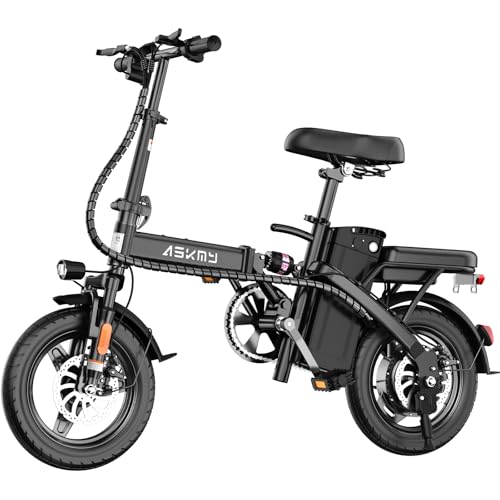
Folding E-Bikes
Compact and portable, folding e-bikes are perfect for commuters with limited storage space or those who combine biking with public transit. Models like the GoCycle GX or Brompton Electric fold down quickly and fit under desks or in car trunks. While they may have smaller wheels and shorter range, their convenience makes them a smart choice for mixed-mode travel.
Fat Tire E-Bikes
With extra-wide tires (typically 3.8 inches or wider), fat tire e-bikes excel on sand, snow, and loose terrain. They provide excellent stability and traction, making them popular for beach rides or winter cycling. The RadRover 6 Plus is a well-reviewed option that balances power and comfort. These bikes are heavier than standard e-bikes but offer unmatched versatility in challenging conditions.
Key Components to Evaluate
When reviewing an electric bicycles overview, pay close attention to the core components that affect performance, comfort, and longevity.
Battery
The battery determines how far you can ride on a single charge. Most e-bikes use lithium-ion batteries with capacities measured in watt-hours (Wh). A higher Wh rating means longer range—typically 400Wh to 700Wh for standard models. For example, a 500Wh battery on flat terrain with moderate assist might last 50 miles, but that drops significantly on hills or with heavy loads. Removable batteries are convenient for charging indoors, while integrated ones offer a sleeker look.
Motor
E-bike motors are either hub-driven (in the front or rear wheel) or mid-drive (located near the pedals). Hub motors are simpler and often quieter, making them common on commuter and folding bikes. Mid-drive motors, like those from Bosch or Shimano, offer better balance and efficiency, especially on hills, and are preferred for mountain and performance e-bikes. Motor power is measured in watts (W), with most ranging from 250W to 750W. Higher wattage doesn’t always mean better performance—efficiency and torque matter more.
Frame and Build Quality
A sturdy frame ensures safety and durability. Aluminum is the most common material due to its strength-to-weight ratio and resistance to rust. Steel frames are heavier but absorb vibrations better, offering a smoother ride. Carbon fiber is used in premium models for weight savings but comes at a higher cost. Always check weight limits, especially if you plan to carry cargo or ride with a passenger.
Brakes
Reliable braking is essential, especially at higher speeds. Mechanical disc brakes are standard on entry-level models, while hydraulic disc brakes offer superior stopping power and modulation—critical for mountain or high-speed riding. Avoid rim brakes on e-bikes; they wear out faster under the added stress of motor-assisted speeds.
Display and Controls
The display shows speed, battery level, assist mode, and sometimes navigation or ride stats. Basic LCD screens are functional, while color displays on premium models offer more data and connectivity. Intuitive controls let you switch assist levels easily—look for models with handlebar-mounted buttons or thumb controls.
How to Choose the Right E-Bike for You
Selecting the right electric bicycle starts with identifying your primary use case. Ask yourself: Will you ride mostly on roads or trails? Do you need to carry gear or passengers? How far do you typically travel? Answering these questions narrows your options significantly.
Next, consider your physical needs. If you have joint pain or limited stamina, a step-through frame with low standover height makes mounting easier. Suspension seats or ergonomic grips can improve comfort on longer rides. Test riding multiple models is highly recommended—many local shops offer demo days or rental programs.
Budget also plays a major role. Entry-level e-bikes start around $1,000, while high-end models can exceed $5,000. Mid-range bikes ($1,500–$3,000) often offer the best balance of quality, features, and value. Don’t forget to factor in long-term costs like maintenance, battery replacement (every 500–1,000 charge cycles), and accessories such as locks, helmets, and lights.
Top Tips for New E-Bike Riders
Starting with an e-bike can feel overwhelming, but a few simple steps set you up for success.
- Start in low assist mode: Get used to the bike’s handling before increasing power.
- Charge regularly: Avoid letting the battery drain completely to extend its lifespan.
- Maintain tire pressure: Properly inflated tires improve efficiency and reduce flats.
- Learn local rules: Some bike paths or parks prohibit e-bikes, especially Class 3 models.
- Invest in safety gear: A quality helmet, reflective clothing, and front/rear lights are essential.
Common Misconceptions About E-Bikes
Despite growing popularity, several myths persist about electric bicycles.
One common belief is that e-bikes do all the work—but in reality, they assist your pedaling, meaning you still get exercise. Studies show e-bike riders often cycle more frequently and for longer durations than traditional cyclists, leading to improved cardiovascular health.
Another misconception is that e-bikes are too heavy to ride without power. While they are heavier than regular bikes (typically 40–70 lbs), most are still rideable if the battery dies—just harder on hills. Choosing a model with a removable battery can help reduce weight when needed.
Finally, some assume e-bikes are only for lazy or unfit riders. In truth, they democratize cycling by enabling people of all fitness levels, ages, and abilities to enjoy biking. Seniors, rehab patients, and those recovering from injury often find e-bikes a safe way to stay active.
Maintenance and Longevity
Like any vehicle, e-bikes require regular maintenance to perform well and last. Basic upkeep includes cleaning the chain, checking brake pads, and inspecting tires for wear. Most manufacturers recommend annual servicing by a professional, especially for motor and battery diagnostics.
Battery care is critical. Store your e-bike in a cool, dry place—avoid extreme temperatures. Charge the battery to around 50–80% if storing for long periods. Avoid frequent fast charging unless necessary, as it can degrade battery health over time.
Keep software updated if your bike has smart features. Many modern e-bikes receive firmware updates that improve performance or fix bugs. Register your bike with the manufacturer to stay informed about recalls or service alerts.
Environmental and Economic Benefits
Switching to an e-bike reduces your carbon footprint compared to driving a car. Even when accounting for electricity used to charge the battery, e-bikes emit far less CO₂ per mile. They also reduce traffic congestion and parking demand in cities.
Economically, e-bikes offer significant savings. The average cost to charge an e-bike is less than $0.10 per full charge, and maintenance is far cheaper than car ownership. Over time, the investment pays off—especially for commuters who replace car trips.
Final Thoughts on Choosing with Confidence
A thorough electric bicycles overview empowers new cyclists to make informed decisions. Focus on your riding goals, test different models, and prioritize quality components. With the right e-bike, you’ll enjoy greater freedom, improved health, and a more sustainable way to get around. Whether you’re navigating city streets or exploring nature trails, there’s an electric bicycle designed to match your needs.
FAQ
How far can an electric bicycle go on a single charge?
Most e-bikes offer a range of 20 to 70 miles per charge, depending on battery capacity, terrain, rider weight, and assist level. For example, a 500Wh battery on flat ground with light assist may last 60+ miles, while steep hills and high assist can reduce that to 30 miles or less.
Are electric bicycles allowed on bike paths?
It depends on local regulations. Class 1 and Class 2 e-bikes are generally permitted on most bike paths, but Class 3 models may be restricted due to their higher speed. Always check city or park rules before riding.
Do I need a license or insurance to ride an e-bike?
In most U.S. states and many countries, no license or insurance is required for Class 1–3 e-bikes. However, rules vary by location, so verify your local laws. Some regions require helmets for riders under a certain age.
Related keywords: Electric bicycles overview for choosing the right type with confidence with a focus on visibility for new cyclists.
