
How to Compare Gravel Bicycle Features, Prices, and Value Before Buying a Bicycle with a Focus on Comfort for Daily Commuting Leave a comment
How to Compare Gravel Bicycle Features, Prices, and Value Before Buying a Bicycle with a Focus on Comfort for Daily Commuting
Choosing the right gravel bicycle for daily commuting means balancing comfort, durability, and cost. To make a smart decision, you need to know how to compare gravel bicycle features, prices, and value before buying a bicycle—especially when your priority is a smooth, fatigue-free ride to work. Gravel bikes offer wider tire clearance, stable geometry, and versatile gearing, making them excellent for mixed surfaces and long-term comfort. This guide walks you through the essential factors to evaluate, from frame materials to component choices, so you can invest in a bike that fits your commute and your budget.
Why Gravel Bikes Are Ideal for Daily Commuting
Gravel bikes have surged in popularity among urban commuters for good reason. Unlike road bikes, which prioritize speed on smooth pavement, gravel bikes are built to handle rough roads, potholes, gravel paths, and light trails—common conditions on city streets. Their endurance-oriented geometry places the rider in a more upright position, reducing strain on the back, neck, and shoulders during long rides.
Wider tires (typically 35–50mm) absorb road vibrations better than narrow road tires, offering a noticeably smoother ride. Many gravel models also include mounting points for racks, fenders, and water bottles, making them practical for carrying work gear or staying dry in wet weather. If your commute includes uneven pavement, dirt paths, or frequent stops, a gravel bike can deliver the comfort and reliability you need.
Key Features to Compare When Choosing a Gravel Bike
Not all gravel bikes are created equal. To compare gravel bicycle features effectively, focus on these core components:
1. Frame Material and Geometry
The frame is the foundation of your bike’s ride quality. Common materials include aluminum, steel, carbon fiber, and titanium—each with distinct trade-offs:
- Aluminum: Lightweight and affordable, but can transmit more road vibration. Look for models with compliance features like curved seat stays or seatpost flex.
- Steel: Offers a naturally smooth ride due to its vibration-damping properties. Heavier than aluminum, but extremely durable and repairable. Ideal for riders prioritizing comfort over speed.
- Carbon fiber: Light and stiff, with excellent vibration absorption. Higher-end models use shaped tubing to enhance comfort. More expensive and less repairable if damaged.
- Titanium: Combines light weight, strength, and a smooth ride. Resists corrosion and lasts decades, but comes at a premium price.
Geometry also plays a major role in comfort. Look for a longer wheelbase and slacker head tube angle, which improve stability. A higher stack (vertical height of the head tube) and shorter reach reduce strain on your back and arms. Brands like Trek, Specialized, and Canyon publish detailed geometry charts—use them to compare fit across models.
2. Tire Clearance and Wheel Size
Tire width directly impacts comfort. Most gravel bikes accept tires from 35mm up to 50mm or more. Wider tires run at lower pressures, acting like built-in suspension. For daily commuting, 40–45mm tires strike a good balance between cushioning and rolling efficiency.
Check the maximum tire clearance listed in the specs. Some bikes claim “gravel capability” but only fit 38mm tires—fine for light gravel, but limiting if you want maximum comfort on rough roads. Also consider wheel size: 700c wheels are standard, but some models offer 650b compatibility, which allows even wider tires (up to 2.1 inches) for added cushioning on rough terrain.
3. Drivetrain and Gearing
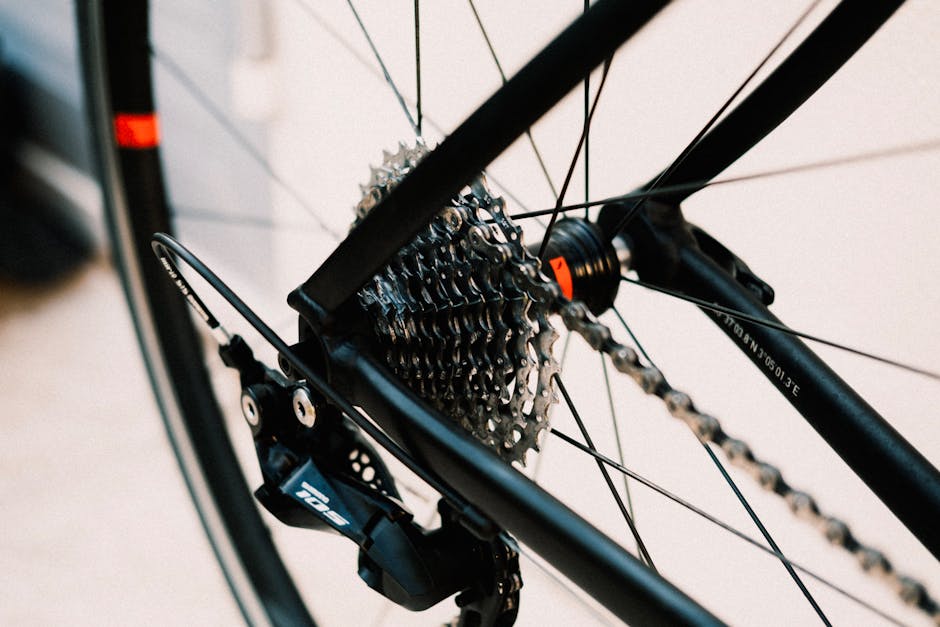
Gravel bikes typically use either 1x (single front chainring) or 2x (double chainring) drivetrains. For commuting, a 2x system often provides better gear range, especially if your route includes hills. A wide-range cassette (e.g., 11-42T or 11-46T) ensures you have low gears for climbing and high gears for flat stretches.
Popular groupsets include Shimano GRX (designed specifically for gravel), SRAM Rival XPLR, and MicroShift options. Shimano GRX offers refined shifting and clutch derailleurs to reduce chain slap. SRAM’s 1x systems simplify maintenance but may lack the top-end speed of 2x setups. Match the drivetrain to your terrain and riding style.
4. Braking System
Disc brakes are standard on modern gravel bikes and essential for commuting. They provide consistent stopping power in wet or muddy conditions, unlike rim brakes, which lose effectiveness when rims are wet or dirty.
There are two types: mechanical (cable-actuated) and hydraulic. Hydraulic disc brakes offer better modulation and require less hand effort, making them ideal for stop-and-go city riding. While slightly more expensive, they’re worth the investment for daily use.
5. Mounting Points and Accessories
Commuting demands practicality. Look for bikes with multiple mounting points:
- Front and rear rack mounts
- Fender mounts
- Water bottle cage bosses (at least two)
- Top tube or down tube mounts for bags
These allow you to carry a laptop, change of clothes, or groceries without compromising balance. Bikes like the Trek Checkpoint, Specialized Diverge, and Kona Rove are known for their commuter-friendly designs.
How to Compare Prices and Assess Value
Price ranges for gravel bikes vary widely—from under $1,000 to over $5,000. To compare gravel bicycle prices and value, avoid fixating on the sticker price alone. Instead, evaluate what you’re getting for your money.
Build Quality vs. Component Tier
A $1,200 bike with a mid-tier groupset (e.g., Shimano Sora or Claris) may feel sluggish and require more maintenance than a $1,800 model with GRX 400 or SRAM Apex. Similarly, a carbon frame at $2,500 might offer better ride quality than an aluminum one at $1,500, but only if the components are equally reliable.
Use this simple framework:
- Entry-level ($800–$1,500): Aluminum frame, basic drivetrain, mechanical disc brakes. Good for light commuting on smooth roads. Examples: Giant Revolt 2, Cannondale Topstone 4.
- Mid-range ($1,500–$2,800): Better components (GRX 600, SRAM Rival), hydraulic brakes, improved frame design. Ideal for most commuters. Examples: Trek Checkpoint ALR 5, Specialized Diverge Sport.
- High-end ($2,800+): Carbon or titanium frames, premium groupsets, advanced compliance features. Best for long commutes or riders seeking maximum comfort and performance. Examples: Canyon Grizl CF SL, Salsa Warbird.
Total Cost of Ownership
Factor in long-term costs. A cheaper bike may need frequent tune-ups or component replacements. Hydraulic brakes, while pricier upfront, require less maintenance than mechanical ones. Tubeless-ready wheels reduce puncture risk and allow lower tire pressures for comfort—worth considering if your route includes debris or rough surfaces.
Also consider resale value. Brands like Trek, Specialized, and Canyon hold value well due to strong dealer support and widespread parts availability.
Comfort-Focused Upgrades and Modifications
Even the best gravel bike can be improved for commuting comfort. Consider these upgrades:
- Suspension seatpost: Models like the Cane Creek Thudbuster or Redshift ShockStop absorb bumps without adding weight to the frame.
- Ergonomic grips and saddle: A well-padded saddle (e.g., Brooks B17 or Fizik Argo) and ergonomic handlebar tape reduce hand and sit-bone fatigue.
- Fenders and racks: Essential for rainy days. Look for full-coverage fenders to keep you and your bike clean.
- Wider handlebars: Flared drop bars (common on gravel bikes) improve control on rough terrain, but some commuters prefer flat or riser bars for a more upright position.
Test ride different setups if possible. Comfort is subjective—what feels great to one rider may not suit another.
Where to Buy and What to Avoid
Buy from a reputable bike shop or trusted online retailer with good return policies and assembly support. Avoid no-name brands with vague specifications or poor customer service. While direct-to-consumer brands like Canyon and YT Industries offer great value, ensure they provide local warranty support.
Be wary of “bargain” gravel bikes under $700. They often use heavy frames, low-quality components, and lack proper geometry for comfort. These bikes may save money upfront but lead to discomfort and higher repair costs over time.
Final Checklist Before You Buy
Before making a purchase, run through this quick checklist:
- ✅ Frame material and geometry suit your body and riding style
- ✅ Tire clearance allows for 40mm+ tires
- ✅ Drivetrain offers adequate gear range for your terrain
- ✅ Hydraulic disc brakes are included
- ✅ Mounting points for racks and fenders are present
- ✅ Total cost (bike + essential accessories) fits your budget
- ✅ You’ve test-ridden the bike or a similar model
FAQ
What’s the most important feature for comfort on a commuting gravel bike?
Tire width and frame material are the biggest factors. Wider tires (40–45mm) run at lower pressures, absorbing road vibrations. Steel and carbon frames also dampen shocks better than aluminum, contributing to a smoother ride.
Can I use a gravel bike for daily city commuting?
Yes. Gravel bikes are excellent for city commuting due to their durability, comfort, and ability to handle rough pavement, potholes, and light off-road sections. Their mounting options also make them practical for carrying gear.
Is a 1x or 2x drivetrain better for commuting?
A 2x drivetrain is generally better for commuting, especially if your route includes hills. It provides a wider gear range, allowing you to climb steep streets and maintain speed on flats. A 1x system is simpler and lighter but may lack high-end speed.
Conclusion
To compare gravel bicycle features, prices, and value before buying a bicycle, focus on comfort-driven specs like frame material, tire clearance, and geometry. Prioritize hydraulic disc brakes, practical mounting points, and a drivetrain suited to your terrain. While price matters, value comes from long-term reliability and ride quality. By evaluating these factors systematically, you’ll find a gravel bike that makes your daily commute not just tolerable, but enjoyable.
