

Road Cycling Guide to Tires, Wheels, and Pressure for Better Control Leave a comment
Road Cycling Guide to Tires, Wheels, and Pressure for Better Control
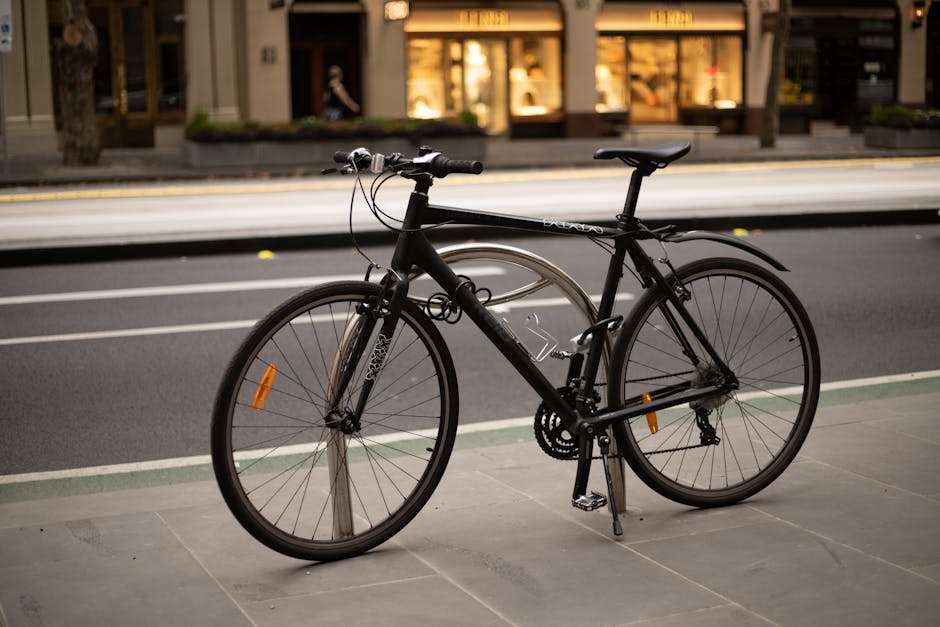
City streets demand more than speed from your road bike—they require stability, grip, and predictable handling. A well-tuned setup of tires, wheels, and pressure is essential for confident riding on uneven pavement, wet surfaces, and sudden stops. This road cycling guide to tires, wheels, and pressure for better control focuses on maximizing stability in urban environments. Whether you’re commuting daily or navigating busy intersections, the right combination of components and inflation can dramatically improve safety and comfort. Below, we break down what matters most and how to optimize your bike for real-world city riding.
Why Stability Matters on City Streets
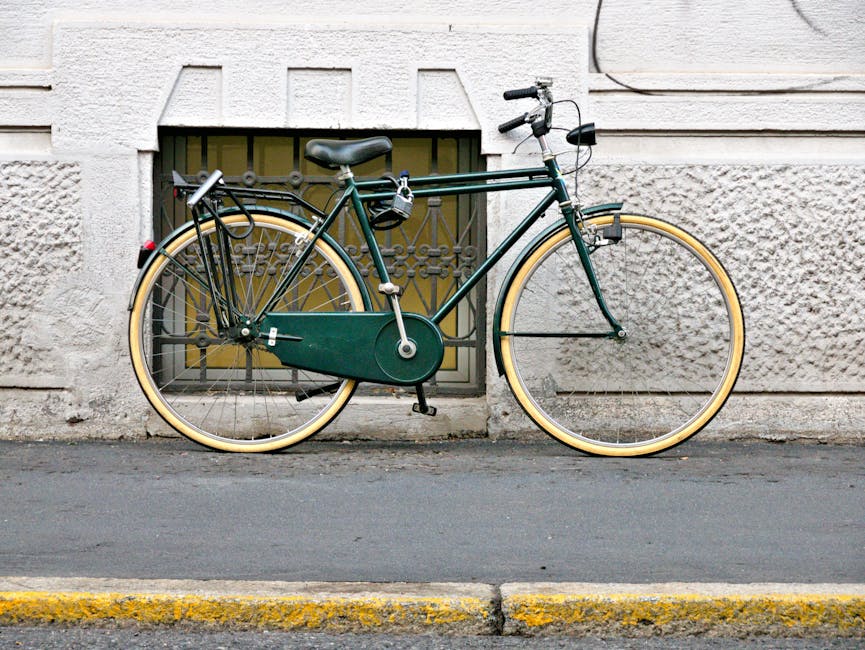
Unlike smooth race tracks or country roads, city streets present a mix of hazards: potholes, manhole covers, gravel, wet leaves, and frequent braking. These conditions challenge tire grip and wheel responsiveness. Stability isn’t just about comfort—it’s about maintaining control when it counts. A stable ride reduces fatigue, improves cornering confidence, and helps prevent skids or loss of traction during emergency maneuvers.
Many riders assume that higher tire pressure equals better performance, but on city streets, that’s often counterproductive. Overinflated tires transmit more road vibration, reduce contact patch, and increase the risk of slipping on slick surfaces. Conversely, underinflated tires can feel sluggish and are prone to pinch flats. The key is finding the right balance tailored to your weight, tire size, and typical riding conditions.
Choosing the Right Tires for Urban Riding
Tire selection is the foundation of a stable city ride. Wider tires—typically 28mm to 32mm—offer several advantages over traditional 23mm or 25mm road tires. They allow lower pressures without risking rim damage, increase the contact patch with the road, and absorb more shock from rough pavement.
For example, a 700x28c tire at 70 psi provides noticeably better cushioning and grip than a 700x23c at 100 psi, especially on cracked asphalt or during wet weather. Many modern road bikes now accommodate tires up to 32mm, making this upgrade accessible without switching frames.
Tread pattern also plays a role. While slick tires are efficient on dry pavement, lightly patterned or semi-slick tires with minimal grooves improve wet-weather traction without sacrificing speed. Look for models labeled “all-weather” or “urban” from reputable brands like Continental, Schwalbe, or Vittoria.
Tubeless tires are another option gaining traction among city riders. They allow even lower pressures without pinch flats and can self-seal small punctures. However, they require compatible rims and sealant, and setup can be messier than traditional clinchers. For most commuters, high-quality clincher tires with puncture-resistant belts (like Kevlar layers) offer a reliable, low-maintenance solution.
Tire Width Comparison Table
| Tire Width | Typical Pressure Range (psi) | Best For |
|---|---|---|
| 23mm | 90–110 | Smooth roads, racing |
| 25mm | 80–95 | Mixed use, light commuting |
| 28mm | 65–80 | City streets, comfort |
| 32mm | 55–70 | Rough pavement, heavy riders |
Wheels: Durability and Responsiveness for City Use
Wheels are often overlooked, but they significantly influence ride quality and control. In urban settings, durability matters as much as weight. Deep-section carbon wheels may look fast, but they’re less forgiving on rough roads and more vulnerable to impact damage from potholes or curbs.
For city riding, prioritize wheels with a moderate rim depth (25–35mm) and strong, double-wall rims. Aluminum rims are preferred for their resilience and consistent braking performance, especially in wet conditions. Look for models with reinforced eyelets and spoke counts of 28 to 32 per wheel—higher than typical race wheels—to handle daily abuse.
Hub quality also affects long-term stability. Sealed-bearing hubs require less maintenance and perform better in rain and grit. Avoid ultra-lightweight hubs that sacrifice durability for marginal weight savings.
If you ride in hilly cities or carry gear, consider wheels with wider internal widths (17–21mm). These better support wider tires and improve cornering stability by allowing the tire to sit more naturally on the rim.
The Science of Tire Pressure: Finding Your Sweet Spot
Tire pressure is perhaps the most adjustable factor in achieving stability. Yet many riders rely on outdated max PSI markings or generic charts. The optimal pressure depends on three variables: rider weight, tire width, and road conditions.
A simple rule of thumb: heavier riders need more pressure; lighter riders need less. For a 70kg (154lb) rider on 28mm tires, starting around 70 psi front and 75 psi rear is reasonable. Add 5 psi for every 10kg (22lb) of additional weight. Always start lower and increase gradually if the ride feels too soft or sluggish.
Use a reliable digital pressure gauge—pump-mounted gauges are often inaccurate. Check pressure before every ride, as tires naturally lose air over time (about 1–2 psi per week).
Seasonal adjustments are also wise. In winter or wet conditions, slightly reducing pressure (by 5–10 psi) can improve grip without compromising safety. Just avoid going so low that the tire feels mushy or risks bottoming out on bumps.
Step-by-Step: Setting Your Ideal Tire Pressure
- Weigh yourself with all riding gear (helmet, shoes, backpack).
- Check your tire width (printed on the sidewall).
- Use a pressure calculator or start with these baselines:
– 25mm: 80 psi (front), 85 psi (rear)
– 28mm: 70 psi (front), 75 psi (rear)
– 32mm: 60 psi (front), 65 psi (rear) - Adjust ±5 psi based on feel: too harsh? Lower it. Too bouncy? Raise it.
- Test on a familiar route with varied surfaces. Note handling in corners and over bumps.
- Recheck after 3–5 rides and fine-tune.
Common Mistakes That Compromise Stability
Even experienced riders make errors that reduce control. One common mistake is using mismatched tires—different brands, models, or wear levels front and rear. This can lead to unpredictable handling, especially under braking. Always replace tires in pairs and match tread patterns.
Another issue is neglecting wheel truing. A slightly wobbly wheel may not seem serious, but it causes inconsistent contact with the road and reduces confidence in turns. Check wheel alignment monthly and have them professionally trued if you hear rubbing or see lateral movement.
Over-tightening quick-release levers or thru-axles can also distort rims or damage hubs. Use moderate force—enough to prevent wheel slippage, but not so much that it’s hard to close.
Finally, don’t ignore tire wear. Tread may look fine, but cracked sidewalls, bulges, or embedded glass indicate it’s time for replacement. A failing tire can blow out unexpectedly, especially at high pressure.
Real-World Example: Commuter Setup for Mixed Conditions
Consider a 75kg rider commuting 10km daily through a mid-sized city with patchy pavement and frequent rain. Their ideal setup might include:
- Tires: 700x28c Continental Grand Prix 5000 (puncture-resistant, all-weather grip)
- Wheels: Aluminum rims, 32 spokes, 19mm internal width (e.g., DT Swiss R470)
- Pressure: 72 psi front, 78 psi rear (checked weekly)
- Extras: Fenders to keep tires clean in wet weather, reflective sidewalls for visibility
This configuration balances speed, comfort, and reliability. The wider tires and moderate pressure absorb shocks from tram tracks and potholes, while the durable wheels withstand curb hops and debris. In rainy conditions, the rider reduces pressure to 68/74 psi for better traction.
Maintenance Tips for Long-Term Control
Consistent maintenance preserves stability. Clean tires weekly with soapy water to remove oil, grime, and glass that can reduce grip. Inspect sidewalls for cuts or dry rot, especially if the bike is stored outdoors.
Lubricate wheel bearings annually or if you notice roughness when spinning the wheel. Check spoke tension every few months—loose spokes can lead to wheel wobble.
Store your bike indoors when possible. UV exposure and temperature swings degrade rubber over time, leading to premature tire aging.
Final Thoughts: Stability Starts with the Right Setup
A stable ride on city streets isn’t achieved by expensive components alone—it’s the result of thoughtful choices in tires, wheels, and pressure. This road cycling guide to tires, wheels, and pressure for better control emphasizes practical adjustments that any rider can make. Wider tires, durable wheels, and properly calibrated pressure transform how your bike handles in real-world conditions. Prioritize consistency, check your setup regularly, and don’t chase minimal weight at the expense of reliability. The result? A safer, more confident commute every time you hit the pavement.
FAQ
Can I use 32mm tires on my road bike?
Check your frame and fork clearance. Many modern road bikes accept up to 32mm tires, but older models or tight clearances may not. Look for at least 3–4mm of space around the tire when inflated.
How often should I check tire pressure?
Before every ride is ideal, but at minimum once a week. Pressure drops naturally, and even small changes affect handling and puncture resistance.
Do wider tires slow you down?
Not necessarily. While narrower tires have lower rolling resistance on perfect pavement, wider tires at lower pressures can be faster on rough city streets due to reduced vibration and better grip. The difference is often negligible for non-racing speeds.
Related keywords: Road cycling guide to tires, wheels, and pressure for better control with a focus on stability for city streets.
