
Electric Bicycle Advice for Understanding Classes, Laws, and Real Costs with a Focus on Stability for City Streets Leave a comment
Electric Bicycle Advice for Understanding Classes, Laws, and Real Costs with a Focus on Stability for City Streets
If you’re considering an electric bicycle for city commuting, it’s essential to understand how e-bike classes, local laws, and real-world costs affect your ride—especially when stability on urban streets is a priority. Electric bicycle advice should start with knowing the difference between Class 1, Class 2, and Class 3 models, which determines speed, motor assistance, and where you can legally ride. This guide breaks down the rules, hidden expenses, and stability features that matter most for navigating potholes, bike lanes, and traffic safely. Whether you’re replacing a car or supplementing public transit, the right e-bike can make city travel smoother, safer, and more affordable—if you choose wisely.
Understanding E-Bike Classes: What They Mean for City Riding
E-bikes in the U.S. are categorized into three classes based on motor power and speed. These classifications affect where you can ride, how fast you can go, and what safety gear may be required.
- Class 1: Pedal-assist only, with no throttle. Motor cuts off at 20 mph. Ideal for bike lanes and multi-use paths. Best for riders who want consistent pedaling support without sudden acceleration.
- Class 2: Equipped with a throttle that can propel the bike without pedaling, up to 20 mph. Useful for starting from stops or climbing hills, but may be restricted on certain trails.
- Class 3: Pedal-assist only, with assistance up to 28 mph. Often requires a helmet and may not be allowed on sidewalks or non-motorized paths. Best for faster commutes on roads with moderate traffic.
For city streets, Class 1 and Class 2 e-bikes are the most practical. They offer enough speed for urban traffic without exceeding speed limits in bike lanes. Class 3 models are faster but may attract more regulatory scrutiny and aren’t permitted on all public paths. Stability becomes more critical as speed increases—especially on uneven pavement or during sudden stops.
Why Class Matters for Stability and Safety
Higher-class e-bikes often have more powerful motors and heavier frames, which can affect handling. A Class 3 e-bike accelerating to 28 mph on a bumpy city street demands better balance and control than a slower Class 1 model. Riders should consider wheel size, frame geometry, and suspension when evaluating stability.
For example, a 26-inch wheel with a step-through frame offers easier mounting and lower center of gravity—ideal for stop-and-go traffic. In contrast, a 28-inch wheel may roll more smoothly over cracks and potholes but can feel less nimble in tight spaces. Some city-focused e-bikes include front suspension or wider tires (2.0 inches or more) to absorb shocks from rough pavement.
E-Bike Laws by Region: Know the Rules Before You Ride
E-bike regulations vary significantly by state, city, and even neighborhood. While federal law defines the three-class system, local jurisdictions add their own restrictions. Ignoring these can result in fines or confiscation of your bike.
In California, all three classes are legal on bike paths unless specifically prohibited by local signage. However, Class 3 e-bikes are banned from Class 1 and Class 2 bike lanes in some cities like San Francisco unless the rider is 16 or older. New York City allows Class 1 and Class 2 e-bikes on streets and bike lanes but prohibits them on sidewalks. Class 3 models are not permitted at all.
Chicago permits all three classes on roads and bike lanes but restricts e-bikes on the Lakefront Trail unless they’re Class 1. Portland, Oregon, allows Class 1 and 2 on most paths, but Class 3 requires a helmet and is limited to roads and designated bike lanes.
Always check your city’s transportation department website before purchasing. Some municipalities require registration, insurance, or special permits—especially for higher-powered models. A common mistake is assuming all e-bikes are treated like traditional bicycles. They’re not.
Sidewalk Riding: When It’s Allowed—and When It’s Not
Sidewalk riding is a major point of confusion. In many cities, e-bikes are prohibited from sidewalks regardless of class. For instance, Boston bans all e-bikes from sidewalks in commercial districts. In contrast, some suburbs allow Class 1 e-bikes at low speeds if marked as pedestrian pathways.
Riding on sidewalks may seem safer, but it increases the risk of collisions with pedestrians and reduces your visibility to drivers at intersections. For stability and safety, stick to bike lanes or low-traffic streets whenever possible.
Real Costs of Owning an E-Bike: Beyond the Sticker Price
The upfront cost of an e-bike ranges from $800 for basic models to over $5,000 for high-end commuter or cargo bikes. But the true expense includes maintenance, charging, accessories, and potential fines.
| Cost Category | Average Annual Cost | Notes |
|---|---|---|
| Bike Purchase | $1,200–$3,500 | Mid-range city e-bikes typically fall in this range |
| Battery Replacement | $300–$600 every 3–5 years | Lithium-ion batteries degrade over time |
| Charging | $10–$20 per year | Based on average U.S. electricity rates |
| Tires & Tubes | $50–$100 | City riding wears tires faster due to debris and curbs |
| Brake Pads | $30–$60 | E-bikes are heavier and require more braking force |
| Accessories (helmet, lock, lights) | $100–$300 one-time | Essential for safety and theft prevention |
One often-overlooked cost is theft. E-bikes are high-value targets. A quality U-lock ($50–$100) and a GPS tracker ($80–$150) are smart investments. Some cities offer rebates or tax incentives for e-bike purchases—check local programs before buying.
Maintenance Tips to Extend Your E-Bike’s Life
Regular maintenance keeps your e-bike stable and safe. Follow these steps every 3–6 months:
- Check tire pressure: Underinflated tires reduce stability and increase puncture risk. Most city e-bikes recommend 40–65 PSI.
- Inspect brake pads: Squeaking or reduced stopping power means it’s time to replace them.
- Clean the chain: Wipe down and lubricate monthly to prevent rust and wear.
- Tighten bolts: Handlebars, seat posts, and wheels can loosen over time.
- Test the battery: Store in a cool, dry place and avoid full discharges.
Many bike shops offer e-bike-specific service packages. While DIY maintenance saves money, complex issues like motor or display problems should be handled by professionals.
Stability Features That Matter on City Streets
City riding demands a bike that handles well on uneven surfaces, stops quickly, and remains balanced at low speeds. Stability isn’t just about speed—it’s about control.
Look for these features when choosing an e-bike for urban use:
- Low step-through frame: Easier to mount and dismount, especially with cargo or in traffic.
- Wide, puncture-resistant tires: 2.0–2.4 inches wide with reflective sidewalls improve grip and visibility.
- Integrated lighting: Front and rear lights powered by the battery ensure you’re seen at night.
- Adjustable handlebars: Allow for an upright riding position, reducing strain and improving balance.
- Rear rack compatibility: Useful for carrying groceries, bags, or a child seat.
Test ride any e-bike before buying. Pay attention to how it feels at 10 mph—the typical speed in bike lanes. Does it wobble? Is the steering responsive? Can you stop quickly without skidding?
Weight Distribution and Cargo Capacity
E-bikes are heavier than regular bikes—typically 40–70 pounds. Poor weight distribution can make handling unpredictable, especially when carrying loads.
Mid-drive motors (mounted near the pedals) offer better balance than hub motors (in the wheel), which can make the front or rear feel heavy. If you plan to carry groceries or a backpack, choose a model with a rear rack rated for at least 25 pounds.
Avoid overloading your bike. Exceeding the manufacturer’s weight limit affects braking, turning, and motor performance. For example, a bike rated for 275 pounds may become unstable with a 200-pound rider and 50 pounds of cargo.
Choosing the Right E-Bike for Your City Commute
With so many options, narrowing down your choice starts with your daily route and needs.
If you ride 3–5 miles on flat terrain with dedicated bike lanes, a Class 1 e-bike with a 40–50 mile range is sufficient. For hilly areas or longer distances, consider a Class 2 or 3 model with a higher-capacity battery (500Wh or more).
Commuters who carry work gear or shop by bike should prioritize cargo capacity and comfort. Models like the Rad Power Bikes RadCity or Trek Allant+ offer upright seating, integrated lights, and strong rear racks.
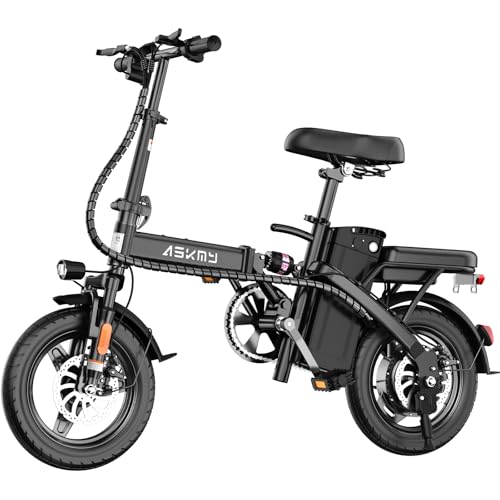
For apartment dwellers, folding e-bikes like the Lectric XP or Brompton Electric save space and can be taken on public transit. Just note that folding models may sacrifice stability due to smaller wheels and lighter frames.
Always buy from a reputable dealer with service support. Online-only brands may offer lower prices, but repairs and warranty claims can be difficult without local support.
Final Tips for Safe and Stable City E-Biking
Even the best e-bike won’t keep you safe without smart riding habits. Follow these practices to maximize stability and avoid accidents:
- Always wear a helmet—required for Class 3 in most areas, recommended for all.
- Use hand signals when turning or stopping.
- Avoid riding in blind spots of cars, especially at intersections.
- Keep one hand on the brake when descending hills or approaching traffic lights.
- Stay visible with bright clothing and reflective gear, especially in rain or low light.
Rain and wet pavement significantly reduce tire traction. Reduce speed and avoid sudden turns or hard braking. Fenders help keep you dry and prevent water spray from affecting your balance.
FAQ: Common Questions About City E-Bikes
Can I ride my e-bike on the sidewalk in my city?
It depends on local laws. Most major cities prohibit e-bikes on sidewalks, especially in downtown areas. Check your city’s transportation website or contact local authorities to confirm. Riding on sidewalks can also be unsafe for pedestrians and reduces your control in traffic.
How long does an e-bike battery last, and how much does it cost to replace?
Most lithium-ion e-bike batteries last 500–1,000 charge cycles, or about 3–5 years with regular use. Replacement costs range from $300 to $600, depending on capacity and brand. Proper care—like avoiding extreme temperatures and not fully draining the battery—can extend its life.
What’s the most stable e-bike for rough city streets?
Look for models with wide tires (2.0 inches or more), front suspension, and a low center of gravity. Step-through frames and mid-drive motors also improve stability. Test rides are essential—what feels stable to one rider may not suit another.
Conclusion
Electric bicycle advice for city riders should prioritize understanding classes, local laws, and real costs—especially when stability on urban streets is a concern. Class 1 and 2 e-bikes offer the best balance of speed, legality, and control for most commuters. Always verify local regulations, invest in safety accessories, and choose a model with features that enhance stability, like wide tires and a balanced frame. With the right knowledge and equipment, an e-bike can be a reliable, cost-effective, and enjoyable way to navigate city life.
