

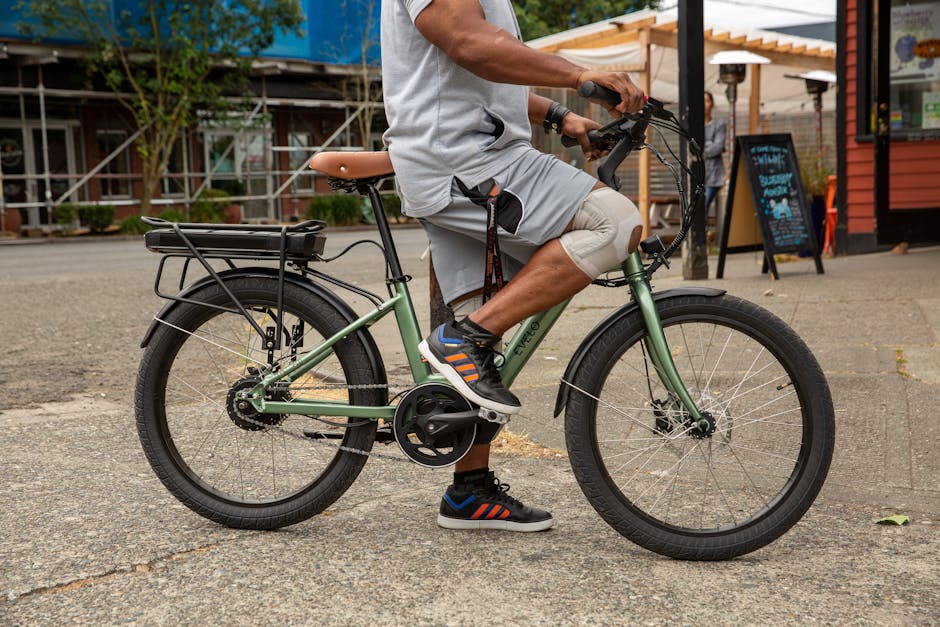
Electric Bicycles That Make Hills, Traffic, and Distance Easier to Manage with a Focus on Stability for City Streets Leave a comment
Electric Bicycles That Make Hills, Traffic, and Distance Easier to Manage with a Focus on Stability for City Streets
Electric bicycles that make hills, traffic, and distance easier to manage are transforming urban commuting. With motor assistance, riders tackle steep inclines without breaking a sweat, navigate congested streets with agility, and cover longer distances comfortably. These e-bikes are engineered for stability on city streets—offering balanced frames, responsive brakes, and predictable handling—making them ideal for daily use in busy environments. Whether you’re commuting to work, running errands, or exploring your city, a well-designed e-bike reduces physical strain and increases efficiency, all while keeping you safe and in control.

Why Stability Matters for City E-Bikes
In urban settings, stability isn’t just a comfort feature—it’s a safety necessity. City streets present unpredictable challenges: potholes, curbs, sudden stops, and mixed traffic with cars, pedestrians, and scooters. An e-bike that prioritizes stability helps riders maintain control in these conditions, reducing the risk of accidents and increasing confidence, especially for new or returning cyclists.
Stable e-bikes typically feature a low center of gravity, achieved through strategic battery placement—often in the downtube or rear rack—and balanced weight distribution. Wider tires with good tread provide better grip on wet or uneven surfaces, while responsive suspension systems absorb shocks from road imperfections. Frame geometry also plays a role: step-through designs lower the rider’s center of mass, making mounting and dismounting safer at intersections or crowded stops.
For example, the Rad Power Bikes RadCity 5 Plus uses a reinforced aluminum frame and 27.5-inch wheels with puncture-resistant tires, offering a smooth, planted ride even on bumpy downtown roads. Similarly, the Trek Verve+ 3 Lowstep combines a relaxed riding position with a stable wheelbase, making it a favorite among commuters who value comfort and control.
Conquering Hills with Electric Assistance
One of the biggest barriers to cycling in hilly cities is the physical effort required to climb. Electric bicycles eliminate this hurdle by providing pedal-assist or throttle-powered support that reduces the strain on legs and lungs. Most city e-bikes offer multiple assist levels, allowing riders to adjust power output based on terrain and fatigue.
Mid-drive motors, like those from Bosch and Shimano, are particularly effective on inclines. These motors sit at the bike’s crank and leverage the drivetrain, delivering torque efficiently and maintaining natural pedal feel. In contrast, hub motors (found in many budget models) can struggle on steep hills unless paired with a high-capacity battery.
Consider Portland, Oregon—a city known for its rolling terrain. Riders using e-bikes with mid-drive motors report being able to climb 10% grades without shifting into the lowest gear, thanks to consistent motor support. Even in flatter cities like Amsterdam, the ability to handle unexpected hills—such as bridge crossings or construction detours—adds peace of mind.
When shopping for an e-bike for hilly areas, look for a motor with at least 250W of continuous power and a torque rating of 50 Nm or higher. Pair that with a battery offering 500Wh or more for extended range on climbs.
Navigating Traffic with Confidence
City traffic demands agility and awareness. Electric bicycles excel here by enabling quick acceleration from stops, smooth lane filtering, and the ability to maintain a steady pace without overexertion. Unlike cars, e-bikes can often bypass gridlock by using bike lanes, paths, or sidewalks (where permitted), cutting commute times significantly.
Stability plays a key role in traffic safety. A stable e-bike responds predictably to sudden maneuvers—such as swerving to avoid a parked car door or braking for a pedestrian. Features like hydraulic disc brakes, integrated lights, and reflective elements enhance visibility and control in stop-and-go conditions.
For instance, the Specialized Turbo Vado SL 4.0 includes a built-in LED headlight, taillight, and a rear rack for cargo, all contributing to a safer, more practical urban ride. Its lightweight frame and balanced weight make it easy to handle in tight spaces, while the motor provides just enough boost to keep up with traffic flow.
Riders should also consider e-bikes with intuitive controls—thumb throttles or handlebar-mounted displays—that allow quick adjustments without taking hands off the grips. This is especially useful when navigating complex intersections or merging into bike lanes.
Extending Your Range Without the Burn
Distance anxiety is common among new e-bike users, but modern models are designed to go the distance. Most city e-bikes offer a range of 40 to 100 miles per charge, depending on terrain, rider weight, assist level, and battery capacity. This makes them viable for commutes of 10 miles or more, even with hills and traffic delays.
To maximize range, use lower assist levels on flat stretches and reserve higher power for climbs or headwinds. Regenerative braking, available on some premium models, recaptures a small amount of energy during deceleration, though its real-world impact is minimal. More effective is proper tire inflation and regular maintenance, which reduce rolling resistance.
For example, a 15-mile round-trip commute in San Francisco—with its famous hills—can be completed comfortably on a single charge with a 625Wh battery and moderate assist. Riders report arriving at work less fatigued than with traditional bikes, enabling them to stay productive throughout the day.
If your route includes long stretches or frequent stops, consider models with removable batteries. This allows for convenient charging at work or home, and provides a backup option if you forget to charge overnight.
Key Features to Look for in a Stable City E-Bike
Not all e-bikes are created equal when it comes to urban performance. When evaluating models, prioritize the following features for stability, comfort, and practicality:
- Frame Design: Step-through or low-step frames improve accessibility and lower the center of gravity.
- Wheel Size and Tires: 26 to 28-inch wheels with 2.0 to 2.4-inch width offer a balance of speed and stability. Puncture-resistant, treaded tires enhance grip.
- Motor Type: Mid-drive motors provide better weight distribution and hill-climbing power than hub motors.
- Battery Placement: Downtube-mounted batteries lower the center of gravity; rear rack batteries can affect balance if overloaded.
- Braking System: Hydraulic disc brakes offer superior stopping power in all weather conditions.
- Suspension: Front suspension or seatpost suspension absorbs road shocks; full suspension is rare but available on premium models.
- Accessories: Integrated lights, fenders, racks, and locks add convenience and safety for daily use.
For a real-world comparison, the Juiced CrossCurrent X offers a powerful 750W motor and 920Wh battery, ideal for long commutes with hills. However, its heavier frame may challenge riders seeking agility. In contrast, the Blix Aveny focuses on stability with a relaxed geometry, wide tires, and a low step-over height—perfect for casual riders or those with limited mobility.
Maintenance Tips to Preserve Stability and Performance
Even the most stable e-bike requires regular upkeep to perform safely in city conditions. Neglecting maintenance can lead to wobbling, reduced braking efficiency, or unexpected motor issues—all of which compromise stability.
Follow these essential maintenance steps:
- Check tire pressure weekly. Underinflated tires increase rolling resistance and reduce control.
- Inspect brake pads monthly. Worn pads reduce stopping power, especially in wet conditions.
- Lubricate the chain every 100–200 miles. A clean, lubricated chain ensures smooth power transfer and reduces wear.
- Test lights and signals before each ride. Visibility is critical in traffic.
- Keep the battery charged between 20% and 80% for longevity. Avoid full discharges unless necessary.
- Tighten bolts and connections periodically. Vibration from city riding can loosen components over time.
Many e-bike manufacturers offer service plans or partner with local shops for tune-ups. Taking your bike in for a professional inspection once a year can catch issues before they become safety hazards.
Safety Considerations for Urban Riding
While e-bikes make city travel easier, they also require responsible riding habits. Their speed—often up to 20 mph with pedal assist—demands heightened awareness, especially in shared spaces.
Always wear a helmet, even if not legally required. Use hand signals when turning, and avoid sudden lane changes. Be mindful of “dooring” zones near parked cars, and ride predictably to help drivers and pedestrians anticipate your movements.
Consider adding a bell, mirror, or rearview camera to increase situational awareness. Some riders also use GPS trackers or anti-theft alarms, as e-bikes are attractive targets for theft.
In rainy or icy conditions, reduce speed and avoid sharp turns. Wet surfaces significantly reduce tire grip, and e-bikes’ added weight can make skidding more dangerous.
Choosing the Right E-Bike for Your City
Selecting the best e-bike depends on your specific urban environment and needs. Riders in hilly cities like Denver or Seattle should prioritize motor torque and battery capacity. Those in flat, bike-friendly cities like Minneapolis or Copenhagen may value lightweight frames and efficiency.
Commuters with long distances should look for extended-range batteries and comfortable seating. Parents or cargo carriers benefit from models with rear racks and child seat compatibility.
Test riding is essential. Visit local dealers to try different models on real city streets. Pay attention to how the bike feels at low speeds, during turns, and when stopping suddenly. A stable e-bike should feel planted, not wobbly or top-heavy.
Budget is another factor. Entry-level e-bikes start around $1,200, while high-end models can exceed $5,000. Mid-range options ($2,000–$3,500) often offer the best balance of performance, durability, and features for daily city use.
Conclusion
Electric bicycles that make hills, traffic, and distance easier to manage are redefining urban mobility. With a focus on stability for city streets, today’s e-bikes offer a safe, efficient, and enjoyable alternative to cars and public transit. By choosing a model with the right motor, battery, frame design, and safety features, riders can navigate their cities with confidence—no matter the terrain or traffic.
Whether you’re climbing a steep hill, weaving through downtown congestion, or commuting 15 miles each way, a well-chosen e-bike turns challenges into conveniences. Invest in quality, maintain it well, and ride responsibly to get the most out of your urban cycling experience.
FAQ
Q: How fast can electric bicycles go in city traffic?
Most city e-bikes are limited to 20 mph with pedal assist, which is sufficient for keeping up with traffic while remaining safe and legal in most urban areas.
Q: Are electric bicycles safe for beginners?
Yes, especially models designed for stability. Features like step-through frames, low center of gravity, and responsive brakes make them accessible and safe for new riders.
Q: Can I ride an e-bike in the rain?
Yes, but with caution. Most e-bikes are weather-resistant, but wet roads reduce traction. Use lower speeds, avoid sudden maneuvers, and ensure your brakes are in good condition.
