

Useful Cycling Tips to Avoid Fatigue and Improve Daily Riding Performance with a Focus on Control for New Cyclists Leave a comment
Useful Cycling Tips to Avoid Fatigue and Improve Daily Riding Performance with a Focus on Control for New Cyclists
New cyclists often experience early fatigue and struggle with control, especially on longer rides or uneven terrain. The good news? Simple, practical adjustments can make a significant difference. By focusing on proper bike fit, efficient pedaling technique, smart pacing, and core stability, beginners can reduce exhaustion and ride with greater confidence. These useful cycling tips to avoid fatigue and improve daily riding performance are designed specifically for those still building endurance and bike handling skills. Whether commuting or exploring local trails, mastering control from the start leads to safer, more enjoyable rides.
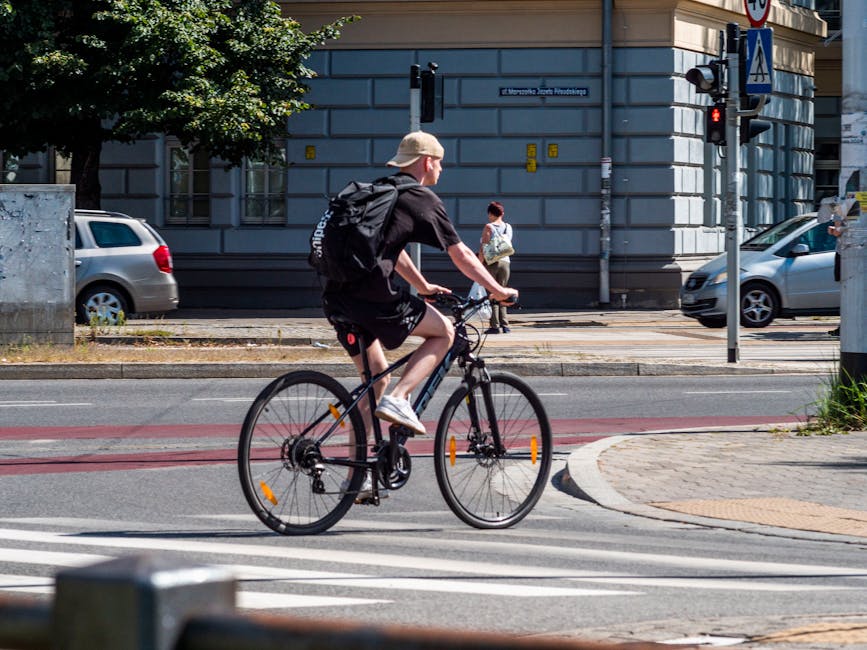
Start with the Right Bike Setup
A poorly adjusted bike is one of the most common causes of fatigue and discomfort for new riders. Even minor misalignments can force your body into awkward positions, increasing strain on your back, neck, and legs.
Begin by ensuring your saddle height is correct. When seated, your leg should have a slight bend (about 25–30 degrees) at the bottom of the pedal stroke. Too high, and you’ll rock side to side; too low, and you’ll overwork your knees. Use a plumb line or have a friend observe your pedal stroke to fine-tune this.
Next, check your handlebar reach and height. For most new riders, handlebars should be level with or slightly above the saddle. This promotes a relaxed upper body and better weight distribution, reducing pressure on your hands and wrists. If you’re constantly leaning forward or gripping tightly, you’re likely overreaching.
Finally, ensure your brakes and gears are responsive. Worn brake pads or sluggish shifting can make you tense up, especially on descents or in traffic. A quick tune-up at your local shop can prevent unnecessary stress and improve overall control.
Master Efficient Pedaling to Reduce Fatigue
Many beginners pedal in a “mashing” style—pushing hard on the downstroke and coasting the rest of the way. This inefficient technique wastes energy and leads to quicker fatigue. Instead, aim for a smooth, circular pedal stroke.
Imagine scraping mud off your shoe at the bottom of the stroke, then pulling back slightly as your foot moves behind the pedal. This engages more muscle groups and distributes effort evenly. Using clipless pedals or toe clips can help, but even flat pedals allow for better technique with practice.
Cadence—the number of pedal revolutions per minute—also plays a key role. Aim for 70–90 RPM on flat terrain. Lower cadence with high resistance strains your muscles; higher cadence with low resistance keeps your heart rate steady and delays fatigue. Use your gears wisely: shift before you feel strain, not after.
For example, when approaching a hill, downshift early to maintain momentum. Grinding up in a high gear will exhaust you quickly. Conversely, spinning too fast on flat roads can feel unstable. Find your rhythm and adjust based on terrain and fatigue levels.
Build Core Strength for Better Control
Strong core muscles aren’t just for athletes—they’re essential for stable, controlled cycling. Your core stabilizes your torso, allowing your arms and legs to focus on steering and pedaling without excess movement.
New cyclists often grip the handlebars too tightly, tensing their shoulders and neck. This not only causes discomfort but reduces your ability to react quickly. A relaxed upper body, supported by core engagement, improves balance and responsiveness.
Incorporate simple core exercises into your routine: planks, bird-dogs, and dead bugs are low-impact and effective. Just 10–15 minutes a few times a week can enhance your on-bike stability. Over time, you’ll notice less swaying, smoother cornering, and improved confidence on technical sections.
Remember: your core should feel engaged but not rigid. Think of it as a steady base, not a clenched fist.
Pace Yourself and Listen to Your Body
One of the biggest mistakes new riders make is starting too fast. Excitement or peer pressure can lead to an unsustainable pace, resulting in burnout within minutes. Instead, use the “talk test”: you should be able to hold a conversation while riding. If you’re gasping for air, slow down.
Break longer rides into manageable segments. For example, aim for 10–15 minutes of steady riding, then take a short break to stretch and hydrate. This prevents cumulative fatigue and helps your body adapt gradually.
Hydration and nutrition are equally important. Even on short rides, drink water regularly—dehydration saps energy and impairs coordination. For rides over 45 minutes, consider a small snack like a banana or energy bar to maintain blood sugar levels.
Also, pay attention to warning signs: persistent knee pain, numbness in hands or feet, or dizziness are signals to stop and assess. Pushing through discomfort can lead to injury or long-term setbacks.
Improve Handling and Control Through Practice
Control comes with confidence, and confidence comes from practice. Start in a safe, open area like an empty parking lot or quiet park. Practice slow-speed maneuvers, emergency stops, and tight turns.
Try these drills:
- Figure-8s: Ride in a figure-8 pattern around two cones. This improves balance and steering precision.
- Track stands: Come to a complete stop without putting your foot down. Hold for 5–10 seconds. Builds micro-balance and control.
- Emergency braking: Practice stopping quickly using both brakes evenly. Avoid locking the rear wheel, which can cause skidding.
Wearing gloves with padded palms can reduce hand fatigue and improve grip, especially on bumpy roads. Also, keep your eyes up and scan the path ahead—anticipating obstacles gives you more time to react.
As your skills improve, gradually introduce new challenges: busier streets, gravel paths, or mild hills. Always prioritize safety over speed.
Dress Appropriately and Maintain Your Bike
Comfortable clothing makes a surprising difference. Avoid loose pants that can catch in the chain or get caught in spokes. Padded cycling shorts reduce saddle soreness, especially on longer rides.
Wear bright or reflective clothing if riding in low-light conditions. A properly fitted helmet is non-negotiable—it protects your head and gives you peace of mind, allowing you to focus on control rather than fear.
Regular bike maintenance prevents mechanical surprises. Check tire pressure before every ride—underinflated tires increase rolling resistance and make pedaling harder. Inspect chains for dirt and lubricate them monthly. A well-maintained bike responds better and feels more predictable.
Keep a basic repair kit with you: spare tube, tire levers, mini pump, and multi-tool. Knowing you’re prepared reduces anxiety and keeps you in control.
Useful Cycling Tips to Avoid Fatigue: A Quick Summary
To recap, here are the most effective strategies for new cyclists:
- Adjust your bike for proper fit—saddle height, handlebar position, and brake function.
- Pedal smoothly with a consistent cadence of 70–90 RPM.
- Strengthen your core to support stable, relaxed riding.
- Pace yourself using the talk test and take regular breaks.
- Practice control drills in safe environments.
- Wear appropriate gear and maintain your bike regularly.
By integrating these habits early, you’ll build endurance, reduce fatigue, and enjoy cycling as a sustainable, enjoyable activity.
FAQ
How can I stop getting tired so quickly when cycling?
Start by checking your bike fit and pedaling technique. Ensure your saddle height is correct and aim for a smooth, circular pedal stroke at 70–90 RPM. Also, pace yourself—don’t start too fast, and take breaks every 10–15 minutes during longer rides.
What’s the best way to improve bike control as a beginner?
Practice in a safe, open area. Try slow-speed drills like figure-8s and track stands. Keep your core engaged, eyes up, and hands relaxed on the handlebars. Wearing gloves and maintaining your bike also help with stability and responsiveness.
Should I ride every day to get better faster?
Not necessarily. Rest days are important for muscle recovery and injury prevention. Aim for 3–4 rides per week with varied intensity. Include one longer ride and one skill-focused session. Listen to your body—overtraining leads to fatigue and burnout.
