
Useful Cycling Tips to Avoid Fatigue and Improve Daily Riding Performance with a Focus on Control for City Streets Leave a comment
Useful Cycling Tips to Avoid Fatigue and Improve Daily Riding Performance with a Focus on Control for City Streets
Cycling in the city offers convenience, fitness, and environmental benefits—but it also demands smart strategies to stay fresh and in control. The most effective way to maintain energy and ride confidently through traffic is to apply useful cycling tips to avoid fatigue and improve daily riding performance with a focus on control for city streets. These include proper bike setup, efficient pedaling techniques, smart gear use, and body positioning that enhances stability and reduces strain. With consistent attention to these fundamentals, you can turn your daily commute or errand run into a smoother, less tiring experience.
Optimize Your Bike Setup for Urban Control
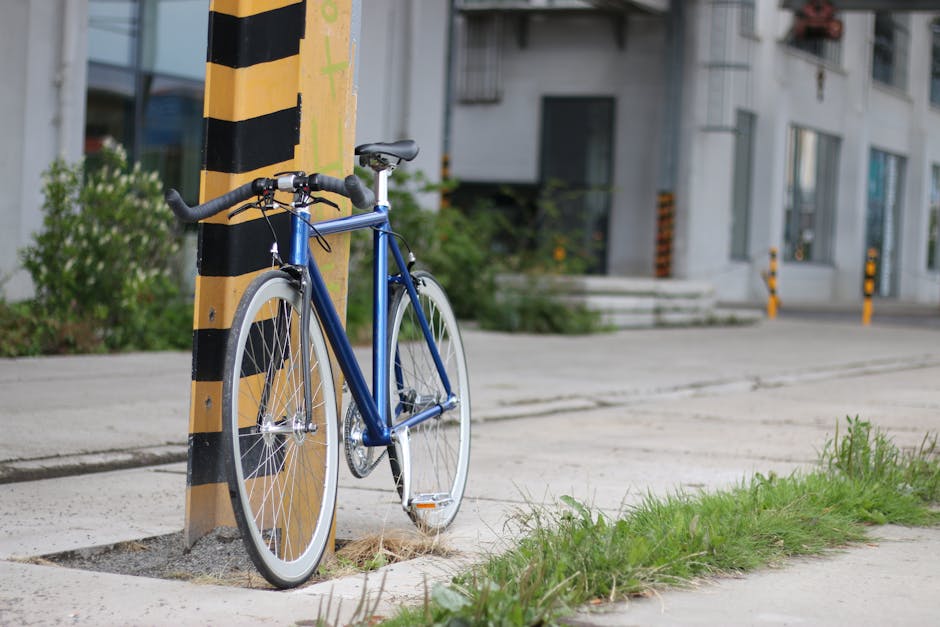
A well-adjusted bike is your first line of defense against fatigue and loss of control. Many riders overlook simple adjustments that make a big difference in comfort and responsiveness. Start with saddle height: if your hips rock side to side when pedaling, your seat is too high. Aim for a slight bend in the knee at the bottom of the pedal stroke. Handlebar height should allow a relaxed upper body—too low causes neck and back strain; too high reduces steering precision.
Tire pressure matters more in the city than on open roads. Underinflated tires increase rolling resistance and make quick maneuvers harder. Check your sidewall for the recommended PSI and inflate accordingly, adjusting slightly lower in wet conditions for better grip. For city riding, consider puncture-resistant tires with moderate tread—they balance speed, durability, and traction on pavement, curbs, and debris.
Essential Bike Fit Checklist
- Saddle height allows 25–30 degrees of knee bend at full downstroke
- Handlebars are level or slightly below saddle height for control
- Tire pressure matches manufacturer’s recommendation ±2 PSI
- Brake levers are reachable without straining fingers
- Pedals are properly tightened and cleats (if used) aligned with foot
Master Efficient Pedaling to Reduce Fatigue
Many cyclists pedal in a “mashing” style—pushing hard on the downstroke and coasting through the rest. This wastes energy and increases leg fatigue. Instead, practice a smooth, circular pedaling motion. Imagine tracing a circle with your feet: push down, scrape back at the bottom, pull up slightly, and push forward at the top. This distributes effort across more muscle groups and maintains momentum.
Use your gears wisely. Shift before you need to—don’t wait until you’re straining uphill or struggling to accelerate from a stop. On flat city streets, aim for a cadence of 70–90 revolutions per minute (RPM). If you’re grinding at 50 RPM, shift to an easier gear. If you’re spinning at 100+ RPM with little resistance, shift up. This rhythm reduces muscle fatigue and improves cardiovascular efficiency.
Example: When approaching a red light, downshift early so you can resume pedaling smoothly when the light turns green. This avoids the common mistake of starting in too high a gear, which causes sudden strain and jerky acceleration.
Improve Control with Smart Body Positioning
Control on city streets isn’t just about brakes and steering—it’s about how your body interacts with the bike. Keep your elbows slightly bent and shoulders relaxed. This allows your arms to act as shock absorbers over potholes and uneven pavement. A rigid upper body transmits every bump directly to your spine, increasing fatigue.
Your weight should be centered over the bike, with slight pressure on the handlebars and most weight on the saddle. When stopping or slowing, shift your hips back slightly to keep the front wheel stable. Avoid locking your arms or leaning too far forward—this reduces traction and makes quick corrections harder.
In traffic, maintain a predictable line. Ride in a straight line within your lane, avoiding swerving between parked cars and open doors. Use hand signals clearly and early. Other road users respond better to consistent, visible behavior. If you’re unsure whether a driver sees you, assume they don’t—slow down and position yourself where you’re most visible.
Use Brakes and Gears Strategically
City riding involves frequent stops and starts. Learn to use both brakes evenly. The front brake provides about 70% of your stopping power, but using it alone can cause a front-wheel skid or even a flip. Apply both brakes together, with slightly more pressure on the front as you slow. Practice emergency stops in a safe area to build confidence.
Downshift before stopping, not after. This keeps your legs ready to accelerate and prevents the frustration of trying to shift under load when you start again. On descents, use a lower gear to maintain control without “death gripping” the brakes, which can overheat rims and reduce stopping power.
Plan Your Route and Ride Mindfully
Not all city streets are created equal. Choose routes with bike lanes, lower speed limits, and fewer intersections when possible. Apps like Google Maps or Komoot can highlight bike-friendly paths. Avoid roads with heavy truck traffic or frequent potholes unless necessary.
Anticipate hazards: scan ahead for opening car doors, pedestrians stepping off curbs, or debris in the bike lane. Keep one eye on the road surface and the other on traffic flow. The more you can predict changes, the less reactive—and fatiguing—your riding becomes.
Stay hydrated and fueled. Even short rides in heat or humidity can dehydrate you. Carry a water bottle and sip regularly. For rides over 30 minutes, a small snack like a banana or energy bar helps maintain blood sugar and focus.
Maintain Your Bike Regularly
A poorly maintained bike increases effort and risk. Check these items weekly:
- Brake pads: Replace if worn below 1mm or cracked
- Chain: Clean and lubricate every 100–200 miles
- Tires: Inspect for cuts, embedded glass, or wear indicators
- Cables: Ensure smooth shifting and braking without slippage
A well-lubricated chain can reduce drivetrain friction by up to 15%, making pedaling noticeably easier. Use a wet lube in rainy conditions and dry lube in dry, dusty environments. Wipe excess oil to prevent dirt buildup.
Wear the Right Gear for Comfort and Safety
Comfortable clothing reduces fatigue. Padded cycling shorts absorb road vibration and prevent chafing. Avoid loose pants that can catch in the chain. Bright or reflective clothing increases visibility, especially at dawn, dusk, or in overcast conditions.
Always wear a helmet. It protects against head injury and can reduce anxiety, helping you ride more confidently. Choose one with good ventilation and a secure fit—adjust the straps so it sits level and doesn’t shift when you nod.
Consider gloves with padding to reduce hand numbness and improve grip. Lights are essential: a white front light and red rear light make you visible to drivers, even in daylight.
Build Endurance Gradually
If you’re new to regular city cycling, don’t push too hard too soon. Start with 10–15 minute rides and increase duration by 10% each week. This allows your muscles, joints, and cardiovascular system to adapt without overuse injuries.
Include rest days. Fatigue isn’t just physical—it’s mental too. A tired mind makes slower decisions in traffic. Listen to your body: if you feel sore or sluggish, take a day off or switch to a lighter activity like walking.
FAQ
How can I reduce leg fatigue on short city rides?
Focus on smooth pedaling and proper gear use. Avoid starting in too high a gear, and maintain a cadence of 70–90 RPM. Ensure your saddle height is correct to prevent overextending your legs.
What’s the best way to stay in control at intersections?
Approach intersections slowly, scan for turning vehicles, and position yourself in the center of the lane if turning left. Make eye contact with drivers when possible and use hand signals early.
Should I use clipless pedals for city commuting?
Clipless pedals improve pedaling efficiency and control but require practice. If you choose them, practice clipping in and out in a safe area. For casual riders, flat pedals with grippy shoes offer simplicity and quick foot placement.
Conclusion
Applying useful cycling tips to avoid fatigue and improve daily riding performance with a focus on control for city streets doesn’t require expensive gear or elite fitness. Small, consistent adjustments—like proper bike fit, efficient pedaling, and mindful riding—add up to a safer, more enjoyable experience. By prioritizing control and comfort, you’ll ride longer, feel better, and navigate urban environments with confidence.
