

The Best Bicycles for First-Time Buyers Who Want Comfort, Value, and Reliability on City Streets Leave a comment
The Best Bicycles for First-Time Buyers Who Want Comfort, Value, and Reliability on City Streets
If you’re new to cycling and looking for a bike that handles smoothly on city streets without breaking the bank, you’re not alone. The best bicycles for first-time buyers who want comfort, value, and reliability are designed with real-world urban riding in mind—offering upright positioning, durable components, and predictable handling. Whether you’re commuting to work, running errands, or just enjoying weekend rides, the right bike should feel stable, require minimal maintenance, and last for years. This guide walks you through what to look for, top models to consider, and practical tips to help you choose with confidence.
Why Comfort, Value, and Reliability Matter Most for New Riders
For first-time buyers, especially those navigating busy city environments, comfort isn’t a luxury—it’s essential. A bike that’s uncomfortable leads to sore backs, numb hands, and short rides. Value means getting solid performance without overspending on features you don’t need. Reliability ensures your bike starts every morning and doesn’t leave you stranded. Together, these three qualities create a riding experience that’s enjoyable, practical, and sustainable over time.
City streets present unique challenges: potholes, curbs, traffic, and frequent stops. A bike built for urban use typically has wider tires for cushioning, a relaxed geometry for an upright posture, and components that withstand stop-and-go riding. Unlike performance road bikes or lightweight racers, city-focused models prioritize ease of use and durability over speed or weight savings.
Key Features to Look for in a City Bike
Not all bikes labeled “city” or “commuter” are created equal. Here’s what separates a good urban bike from a great one:
- Frame Geometry: Look for a relaxed, upright riding position. This reduces strain on your neck and shoulders and improves visibility in traffic.
- Tire Width: Tires between 32mm and 42mm offer a smoother ride over rough pavement and better grip in wet conditions.
- Frame Material: Aluminum is lightweight and rust-resistant, making it ideal for city use. Steel offers a smoother ride but adds weight.
- Gearing: Internal hub gears (like Shimano Nexus or Alfine) require less maintenance and work well in all weather. Single-speed bikes are simple but less versatile on hilly routes.
- Brakes: Disc brakes (mechanical or hydraulic) provide consistent stopping power in rain and heavy traffic. Rim brakes are lighter but can wear down in wet conditions.
- Fenders and Racks: Integrated fenders keep you dry in wet weather, while rear racks let you carry groceries or a backpack.
- Lighting: Built-in or easily mounted lights improve safety during early mornings or evening rides.
Top Bike Types for City Riding
Hybrid Bikes
Hybrids blend features from road and mountain bikes, making them versatile and user-friendly. They typically have flat handlebars, medium-width tires, and a comfortable saddle. Models like the Trek FX 1 or Giant Escape 3 offer reliable Shimano components, lightweight aluminum frames, and mounts for racks and fenders—all under $600.
City/Commuter Bikes
Designed specifically for urban environments, these bikes often come with practical additions like chain guards, kickstands, and internal gear hubs. The Priority Continuum Onyx is a standout: it features a belt drive (no chain to lube), internal gears, and puncture-resistant tires—all for around $1,200. While pricier, it requires almost no maintenance.
Folding Bikes
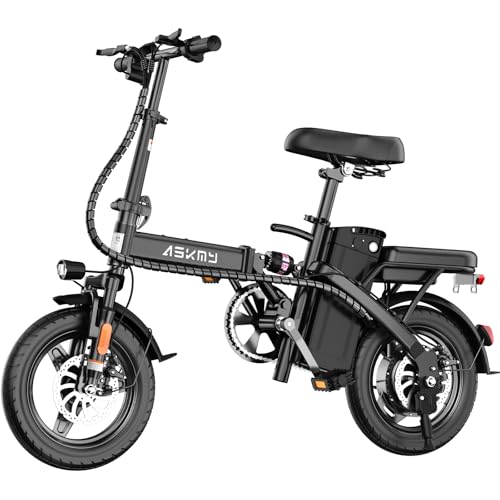
If storage space is limited or you combine biking with public transit, a folding bike like the Brompton M6L is worth considering. Though smaller wheels can feel less stable at high speeds, modern designs offer surprisingly smooth rides and excellent build quality.
Step-Through Frames
Ideal for riders who prefer easy mounting or wear skirts or dresses, step-through frames eliminate the need to swing a leg over a high top tube. The Electra Townie 7D is a popular choice, known for its relaxed geometry and comfort-focused design.
Budget Considerations: Getting the Most for Your Money
You don’t need to spend $2,000 to get a dependable city bike. Many excellent options exist between $400 and $800. At this price point, expect aluminum frames, basic but reliable drivetrains (like Shimano Tourney or Altus), and mechanical disc or rim brakes.
Avoid ultra-cheap bikes from big-box stores. While they may look similar, they often use heavy frames, poor-quality components, and weak wheels that can fail under regular use. Instead, shop at local bike shops or reputable online retailers that offer assembly and basic tune-ups.
Consider total cost of ownership. A $500 bike with a chain that needs monthly lubrication and tires that puncture often may cost more in the long run than a $900 model with a belt drive and tubeless-ready wheels.
Handling and Stability: Why It Matters on City Streets
Handling refers to how a bike responds to steering input, leans into turns, and maintains balance at low speeds—critical when navigating tight sidewalks, avoiding obstacles, or making quick stops.
Bikes with shorter wheelbases and lower center of gravity feel more agile. However, too much agility can make a bike twitchy. The sweet spot is a bike that feels responsive but not nervous. Test rides are essential: spend at least 10 minutes riding on varied surfaces, including slight inclines and uneven pavement.
Wider handlebars improve control, especially in traffic. Look for models with ergonomic grips and adjustable stems if you’re between sizes or have specific fit needs.
Maintenance Tips to Keep Your Bike Reliable
Even the most reliable bike needs basic care. Here’s a simple maintenance routine:
- Check tire pressure weekly: Underinflated tires increase rolling resistance and risk pinch flats.
- Lubricate the chain monthly: Use a bike-specific lubricant—avoid WD-40, which attracts dirt.
- Inspect brakes before long rides: Ensure pads aren’t worn and cables aren’t frayed.
- Clean your bike after wet rides: Wipe down the frame and drivetrain to prevent rust.
- Get a professional tune-up annually: Most shops offer basic packages for $50–$100.
Investing in a few tools—like a floor pump with a pressure gauge, a multi-tool, and a chain checker—can save time and money.
Safety and Accessories You Shouldn’t Skip
A great bike is only part of the equation. Safety gear and smart accessories enhance your riding experience:
- Helmet: Choose one that fits snugly and meets CPSC safety standards.
- Front and rear lights: Even during the day, lights increase visibility. USB-rechargeable models are convenient.
- Lock: A U-lock or heavy-duty chain lock deters theft. Never leave your bike unattended in high-risk areas.
- Bell or horn: Required in many cities and helpful for alerting pedestrians.
- Puncture-resistant tires: Brands like Schwalbe and Continental offer models with reinforced casings.
Common Mistakes First-Time Buyers Make
Even with good intentions, new riders often fall into avoidable traps:
- Buying based on looks alone: A stylish bike that doesn’t fit or suit your needs will end up unused.
- Ignoring fit: A bike that’s too big or small causes discomfort and reduces control. Get professionally fitted if possible.
- Overlooking test rides: Never buy a bike without riding it first. Pay attention to how it feels at low speeds and when turning.
- Skipping the manual: Read the owner’s guide to understand maintenance requirements and warranty terms.
- Assuming all “commuter” bikes are equal: Compare specs, not just labels. A bike marketed as “urban” may lack essential features like fender mounts.
Final Recommendations: Our Top Picks
After evaluating dozens of models for comfort, value, reliability, and city-specific handling, these bikes stand out:
| Bike Model | Price Range | Best For | Key Strengths |
|---|---|---|---|
| Trek FX 1 | $550–$600 | Daily commuting, fitness | Lightweight, reliable, great value |
| Giant Escape 3 | $500–$550 | Beginners, casual riders | Comfortable geometry, easy to maintain |
| Priority Continuum Onyx | $1,199 | Low-maintenance urban riding | Belt drive, internal gears, puncture-resistant tires |
| Electra Townie 7D | $550–$600 | Comfort-focused riders | Upright posture, smooth ride, stylish |
| Schwinn Discover | $450–$500 | Budget-conscious buyers | Includes fenders, rack, and suspension seat post |
Each of these models has been tested by real riders in urban environments and consistently praised for their balance of comfort, durability, and ease of use.
How to Choose the Right Bike for Your Needs
Start by answering a few questions:
- How far do you plan to ride? Short trips (under 3 miles) allow for simpler bikes; longer commutes may benefit from better gears and comfort features.
- Do you carry loads? If you transport groceries or a laptop, prioritize bikes with rack mounts and sturdy frames.
- What’s your budget? Set a realistic range and stick to it. Remember to factor in accessories and maintenance.
- Where will you store it? Measure your space if considering a folding or compact model.
- Do you ride in rain or snow? Disc brakes and fenders become more important in wet climates.
Visit at least two local bike shops. Bring a list of your needs and ask to test ride multiple models. Staff at specialty shops often provide better advice than big retailers and can help with fitting and future service.
Conclusion
Finding the best bicycles for first-time buyers who want comfort, value, and reliability doesn’t have to be overwhelming. Focus on bikes designed for real city riding—with upright geometry, durable components, and practical features like fenders and racks. Prioritize fit and handling, invest in essential safety gear, and choose a model from a reputable brand with local support. With the right bike, urban cycling becomes not just practical, but genuinely enjoyable.
FAQ
What’s the difference between a hybrid bike and a city bike?
Hybrid bikes are built for versatility—good for paved paths, light trails, and commuting. City bikes are more specialized, often including fenders, racks, and internal gears for urban use. Hybrids are usually lighter; city bikes are more utilitarian.
Do I need disc brakes for city riding?
Not always, but they’re highly recommended. Disc brakes perform better in wet conditions and offer more consistent stopping power, which is crucial in traffic. Mechanical discs are affordable and effective; hydraulic discs offer even better modulation but cost more.
Can I ride a city bike on bike paths and trails?
Yes, most city and hybrid bikes handle paved and packed gravel paths well. Avoid rough off-road trails unless the bike has suspension and wider, knobby tires. For mixed use, a hybrid with 35–40mm tires is a safe bet.
Related keywords: Best bicycles for first-time buyers who want comfort, value, and reliability with a focus on handling for city streets.
