
Smart Cycling Tips That Help Students Ride Safer and Feel Stronger with a Focus on Comfort for New Cyclists Leave a comment
Smart Cycling Tips That Help Students Ride Safer and Feel Stronger with a Focus on Comfort for New Cyclists
Starting to ride a bike as a student—whether commuting to class, running errands, or just enjoying the outdoors—can be exciting but also intimidating. The good news? With the right approach, cycling can become a safe, enjoyable, and empowering habit. This guide shares smart cycling tips that help students ride safer and feel stronger, with a special focus on comfort for new cyclists. From choosing the right gear to mastering basic road rules, these practical strategies build confidence and reduce risk from day one.
Why Comfort Matters for New Cyclists
Comfort isn’t just about feeling good—it directly impacts safety and consistency. A rider who’s uncomfortable is more likely to lose balance, avoid longer rides, or skip cycling altogether. For students juggling classes, part-time jobs, and social life, a bike that fits poorly or causes discomfort becomes a burden, not a benefit.
Start with the basics: your bike should allow you to sit upright with a slight bend in your elbows and your feet flat on the ground when stopped. If your handlebars are too low or your seat too high, you’ll strain your back, neck, or wrists—common issues among beginners. A comfortable ride means better control, clearer thinking in traffic, and the motivation to keep pedaling.
Essential Gear for Safety and Comfort
You don’t need top-tier equipment to ride safely, but a few key items make a big difference. Here’s what every student cyclist should prioritize:
- Helmet: Always wear a properly fitted helmet. Look for a snug fit that doesn’t tilt forward or backward. Replace it after any significant impact.
- Bright, Reflective Clothing: Even during the day, light-colored or reflective gear increases visibility. Consider a reflective vest or backpack cover.
- Front and Rear Lights: Required by law in many areas after dark, but useful even in overcast conditions. A steady white front light and a blinking red rear light are ideal.
- Padded Gloves: Reduce hand fatigue and improve grip, especially on longer rides.
- Comfortable Padded Shorts: If you’re riding more than 15 minutes regularly, these can prevent soreness and chafing.
Choosing the Right Bike for Your Lifestyle
Not all bikes are created equal—especially for students. Consider your typical route, storage space, and budget:
| Bike Type | Best For | Comfort Level |
|---|---|---|
| Hybrid Bike | City streets, light trails, daily commuting | High (upright position, shock-absorbing tires) |
| City Bike | Short urban trips, carrying bags | Very High (step-through frame, built-in racks) |
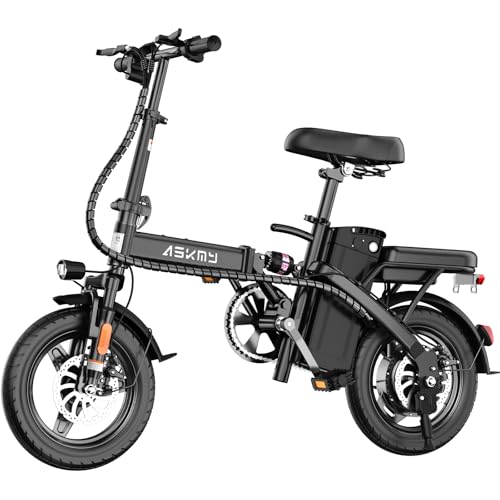
| Folding Bike | Small apartments, multi-mode transit | Moderate (compact but may have smaller wheels) |
| Road Bike | Long-distance riding, speed | Low to Moderate (aggressive posture, less cushioning) |
For most students, a hybrid or city bike offers the best balance of comfort, practicality, and affordability. Test ride a few models if possible—your local bike shop may offer short-term rentals or demo days.
Mastering Basic Road Safety
Riding safely means more than just wearing a helmet. It’s about predictability, awareness, and communication. Follow these core principles:
- Ride with traffic, not against it. Always move in the same direction as cars.
- Use hand signals. Extend your left arm straight out to signal a left turn, left arm bent up for a right turn (or use your right arm straight out), and left arm bent down to signal a stop.
- Obey traffic signs and signals. Stop at red lights and stop signs—just like vehicles.
- Stay visible. Avoid riding in drivers’ blind spots, especially near large vehicles like buses or trucks.
- Scan your environment. Look ahead for potholes, parked cars, pedestrians, and opening doors.
A common mistake new cyclists make is assuming drivers see them. Assume they don’t. Make eye contact when possible, especially at intersections.
Building Strength and Endurance Gradually
Feeling stronger on the bike comes from consistency, not intensity. Start small and build up:
- Begin with short, flat routes. Aim for 10–15 minutes of riding, 2–3 times per week.
- Gradually increase distance or time. Add 5 minutes each week as you feel more confident.
- Incorporate hills slowly. Shift to an easier gear before the incline and maintain a steady pace.
- Stretch after rides. Focus on your hamstrings, quads, calves, and lower back to prevent stiffness.
Strength comes from repetition. Over time, your legs will adapt, your stamina will improve, and hills that once seemed impossible will feel manageable.
Maintaining Your Bike for Reliable Rides
A well-maintained bike is a safe bike. You don’t need to be a mechanic, but a few routine checks go a long way:
- Check tire pressure weekly. Underinflated tires increase rolling resistance and risk of flats. Use a pressure gauge and inflate to the PSI listed on the tire sidewall.
- Test brakes before each ride. Squeeze the levers—they should engage firmly without touching the handlebars.
- Lubricate the chain monthly. Wipe off old grease, apply bike-specific lubricant, and wipe excess to avoid dirt buildup.
- Inspect lights and reflectors. Ensure they’re clean, charged, and securely attached.
Many community bike shops offer free or low-cost tune-up clinics—great for students on a budget.
Overcoming Common Challenges for Student Cyclists
Even with the best preparation, challenges arise. Here’s how to handle them:
Bad Weather
Rain, wind, and cold don’t have to stop you. Invest in a lightweight rain jacket, fenders for your bike, and warm layers. Avoid riding during thunderstorms or icy conditions.
Carrying School Supplies
Use a sturdy backpack with a waist or chest strap to reduce shoulder strain. Better yet, add a rear rack and panniers to your bike—they keep weight off your body and improve balance.
Finding Safe Routes
Use apps like Google Maps (set to bike mode) or local cycling maps to find bike lanes, low-traffic streets, or protected paths. Avoid high-speed roads or highways unless absolutely necessary.
Smart Cycling Tips That Help Students Ride Safer and Feel Stronger: A Recap
To ride safer and feel stronger, focus on comfort, consistency, and awareness. Choose a bike that fits, wear the right gear, follow traffic rules, and maintain your equipment. Start with short rides and build up gradually. Remember, confidence grows with experience—not perfection.
FAQ
What’s the most important safety rule for new cyclists?
Always wear a properly fitted helmet and ride in the same direction as traffic. These two habits significantly reduce the risk of serious injury.
How often should I check my bike’s tire pressure?
Check tire pressure at least once a week, or before longer rides. Proper inflation improves comfort, efficiency, and safety.
Can I ride my bike in the rain?
Yes, but take precautions: wear waterproof clothing, use fenders, reduce speed, and avoid sudden turns. Avoid riding during heavy downpours or lightning.
With these smart cycling tips, students can turn biking into a reliable, enjoyable, and safe part of daily life. Whether you’re commuting across campus or exploring your city, a comfortable and confident ride starts with preparation and practice.
