
Smart Cycling Tips That Help Students Ride Safer and Feel Stronger with a Focus on Comfort for Daily Commuting Leave a comment
Smart Cycling Tips That Help Students Ride Safer and Feel Stronger with a Focus on Comfort for Daily Commuting
For students who rely on bicycles to get to class, work, or campus activities, cycling isn’t just transportation—it’s a daily habit that impacts health, time, and safety. Smart cycling tips that help students ride safer and feel stronger with a focus on comfort for daily commuting can make the difference between a stressful ride and a smooth, energizing start to the day. This guide covers practical strategies to improve safety, build confidence, and enhance physical comfort, so your bike becomes a reliable, enjoyable part of your routine—not a source of frustration or fatigue.
Why Comfort and Safety Matter for Student Cyclists
Many students begin cycling with secondhand bikes or models chosen for style over function. While a sleek frame might look good, it can lead to poor posture, sore muscles, and increased risk in traffic. Comfort isn’t a luxury—it’s a necessity. A comfortable ride reduces fatigue, improves concentration, and encourages consistency. Likewise, safety isn’t optional. According to the National Highway Traffic Safety Administration, over 1,000 cyclists died in traffic crashes in 2022, with many more injured. For students navigating busy streets, campus pathways, and unpredictable weather, proactive safety habits are essential.
How Comfort Enhances Performance and Consistency
When your bike fits well and feels good to ride, you’re more likely to use it regularly. Discomfort leads to skipped trips, which can disrupt routines and increase reliance on less sustainable options like rideshares or public transit. A well-adjusted saddle, proper handlebar height, and ergonomic grips reduce strain on your back, wrists, and knees. Over time, this not only prevents injury but also builds endurance and strength naturally through consistent use.
Essential Gear for Safer, More Comfortable Rides
Investing in the right equipment doesn’t require a large budget—just smart choices. Start with these basics:
- Helmet: A properly fitted helmet is non-negotiable. Look for one with MIPS (Multi-directional Impact Protection System) technology for added protection against rotational forces during angled impacts.
- Lights and Reflectors: Front white lights and rear red lights are required by law in most states after dark. Even during the day, bright clothing or reflective strips increase visibility.
- Padded Gloves: Reduce hand numbness and improve grip, especially on longer rides or rough terrain.
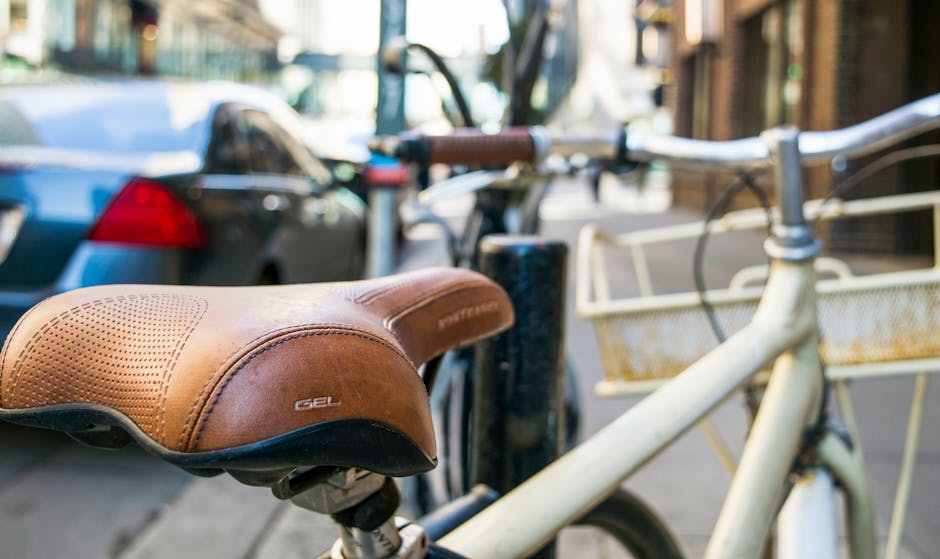
- Comfortable Saddle: Gel or memory foam saddles can ease pressure points. Consider a wider seat if you experience tailbone pain.
- Panniers or Backpacks with Support: Carrying books and laptops? Use pannier bags mounted to a rear rack instead of a heavy backpack to reduce shoulder strain.
Bike Fit: The Foundation of Comfort
A bike that doesn’t fit is like shoes that are two sizes too small—it will hurt eventually. Here’s how to check your fit:
- Saddle Height: When seated, your leg should be almost fully extended at the bottom of the pedal stroke, with a slight bend in the knee.
- Handlebar Reach: You should be able to reach the bars without leaning too far forward or feeling cramped. Adjust stem length or bar height if needed.
- Saddle Position: The seat should be level and centered. Moving it forward or back affects pedaling efficiency and knee alignment.
Many local bike shops offer free or low-cost fitting services—take advantage of them.
Safety Habits Every Student Cyclist Should Adopt
No matter how experienced you are, defensive cycling is key. Roads are shared spaces, and drivers don’t always see cyclists. These habits reduce risk:
- Ride Predictably: Signal turns, maintain a straight line, and avoid sudden movements. Use hand signals even if you have bike lane indicators.
- Stay Visible: Wear bright colors during the day and reflective gear at night. Avoid riding in drivers’ blind spots, especially near large vehicles.
- Obey Traffic Laws: Stop at red lights and stop signs. Riding against traffic or on sidewalks increases collision risk.
- Scan Ahead: Look 10–15 seconds down the road for hazards like potholes, opening car doors, or pedestrians stepping into the path.
- Use Bike Lanes When Available: But stay alert—bike lanes often end abruptly or merge into turning lanes.
Night Riding: Extra Precautions
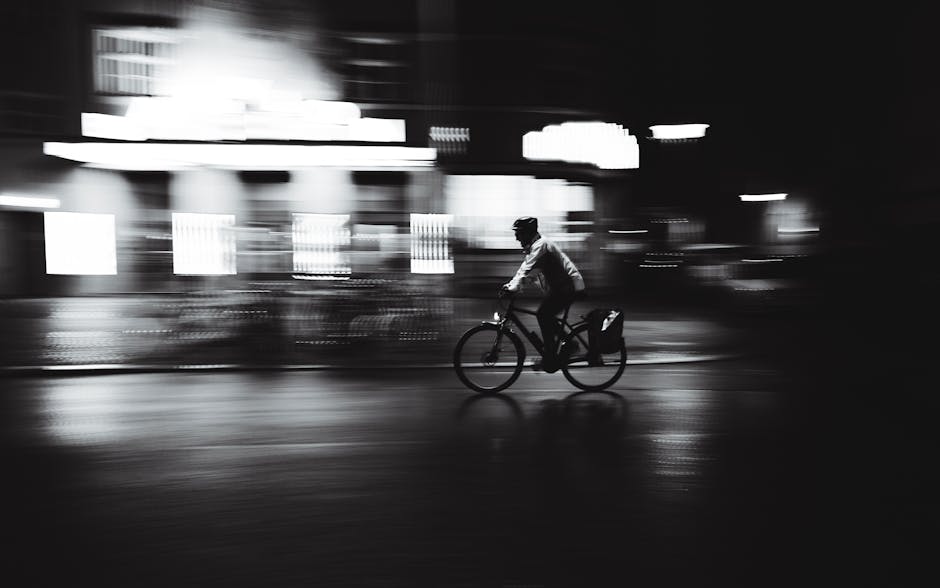
If you ride after sunset, visibility becomes your top priority. In addition to front and rear lights, consider:
- Flashing modes to catch attention (steady beams for seeing, flashing for being seen).
- Reflective ankle bands or wheel reflectors that spin in the dark.
- Avoiding dark clothing—even a light-colored backpack can make a difference.
Building Strength and Endurance Through Daily Commuting
Cycling to class isn’t just about getting from point A to B—it’s a form of active transportation that builds cardiovascular health and muscular endurance. Over time, regular rides strengthen your legs, core, and lungs. To maximize benefits:
- Maintain a Steady Pace: Aim for a rhythm where you can still hold a conversation—this builds aerobic fitness without burnout.
- Incorporate Hills: If your route includes inclines, use them to build leg strength. Shift to lower gears to maintain cadence without straining.
- Stretch After Rides: Focus on hamstrings, quads, and hip flexors to prevent tightness and improve flexibility.
Tracking Progress Without Overdoing It
You don’t need a fitness tracker to benefit from cycling, but simple awareness helps. Note how your energy levels change over weeks. If you used to feel winded after two miles but now feel strong at three, that’s progress. Avoid pushing too hard too soon—sudden increases in distance or speed can lead to injury or burnout.
Maintaining Your Bike for Reliability and Comfort
A well-maintained bike is safer, smoother, and more efficient. Neglect leads to breakdowns, flats, and discomfort. Follow this monthly checklist:
| Component | Check | Action |
|---|---|---|
| Tires | Pressure and tread wear | Inflate to recommended PSI; replace if cracked or bald |
| Brakes | Lever feel and pad wear | Adjust cable tension; replace pads if less than 1mm thick |
| Chain | Lubrication and stretch | Lubricate weekly; replace if stretched beyond 0.5% |
| Gears | Shifting smoothness | Clean derailleurs; adjust if skipping or hesitating |
When to Visit a Bike Shop
Some issues require professional help. Bring your bike in if you notice:
- Persistent squeaking or grinding sounds
- Brake failure or spongy levers
- Wheels that wobble or won’t spin freely
- Frame cracks or significant rust
Many campuses have student-run bike co-ops offering free repairs or low-cost services—great for learning and saving money.
Weather and Seasonal Adjustments
Rain, wind, and cold don’t have to stop your commute. With preparation, you can ride safely year-round.
Wet Weather Tips
- Use fenders to prevent spray from reaching your back and face.
- Wear waterproof jackets and pants—avoid cotton, which retains moisture.
- Reduce speed and avoid sudden braking; wet roads reduce traction.
- Check brake pads more frequently—wet conditions wear them faster.
Cold Weather Considerations
- Dress in layers: moisture-wicking base, insulating mid-layer, windproof outer shell.
- Protect extremities with thermal gloves, shoe covers, and a neck gaiter.
- Use lights even during daylight—short winter days mean more riding in low light.
- Check tire pressure regularly—cold air reduces PSI.
Smart Cycling Tips That Help Students Ride Safer and Feel Stronger with a Focus on Comfort for Daily Commuting
To wrap up, the most effective cycling habits combine preparation, awareness, and consistency. Start with a properly fitted bike and essential safety gear. Ride predictably, maintain your equipment, and adjust for weather. Over time, these practices don’t just prevent accidents—they build physical strength, mental resilience, and a deeper connection to your daily routine. For students, that means arriving on campus alert, energized, and ready to focus.
FAQ
What’s the most important safety item for student cyclists?
A properly fitted helmet is the most critical safety item. It significantly reduces the risk of head injury in a fall or collision. Pair it with front and rear lights for visibility, especially if riding at dawn, dusk, or night.
How can I make my bike more comfortable for long commutes?
Start with a bike fit—adjust saddle height, handlebar reach, and seat position. Add a padded saddle, ergonomic grips, and consider panniers to reduce backpack weight. Regular stretching after rides also helps prevent stiffness.
Is it safe to ride in the rain or cold?
Yes, with preparation. Use fenders, wear waterproof and layered clothing, and reduce speed in wet or icy conditions. Always use lights and check brakes more frequently in adverse weather.
