
Smart Cycling Tips That Help Students Ride Safer and Feel Stronger with a Focus on Comfort for City Streets Leave a comment
Smart Cycling Tips That Help Students Ride Safer and Feel Stronger with a Focus on Comfort for City Streets
For students navigating busy city streets, cycling offers a fast, affordable, and healthy way to get to class, work, or social events. But safety, comfort, and confidence often stand in the way. The good news? A few smart cycling tips can make a big difference. By choosing the right gear, adjusting your bike properly, and riding with awareness, students can ride safer, feel stronger, and enjoy a more comfortable commute—even in dense urban traffic. This guide covers practical, proven strategies tailored to city conditions, helping young riders build skills and confidence one ride at a time.
Why Comfort and Safety Matter for Student Cyclists
City streets present unique challenges: stop-and-go traffic, unpredictable drivers, potholes, and narrow bike lanes. For students—many of whom are new to urban cycling—these factors can turn a simple trip into a stressful or even dangerous experience. Comfort plays a key role: a poorly fitted bike or stiff posture leads to fatigue, distraction, and reduced control. When riders are uncomfortable, they’re less likely to stay alert or react quickly in traffic.
Prioritizing safety isn’t just about avoiding accidents—it’s about building confidence. Students who feel secure on their bikes are more likely to ride regularly, improving fitness, reducing transportation costs, and contributing to cleaner city air. Smart cycling habits also reduce wear on equipment, saving money in the long run.
Choose the Right Bike for City Riding
Not all bikes are created equal for urban environments. A well-suited city bike makes a noticeable difference in comfort and control. Look for models with upright handlebars, which promote better posture and visibility. Step-through frames are ideal for quick mounting and dismounting, especially when wearing backpacks or carrying books.
Consider hybrid or city-specific bikes with wider tires (at least 28mm) for better grip on uneven pavement. These absorb shocks from potholes and tram tracks better than thin road tires. If you’re on a tight budget, used bikes from reputable shops can be excellent options—just ensure they’ve been inspected and tuned.
Avoid overly aggressive road bikes or heavy mountain bikes for daily city commuting. They’re often uncomfortable over long distances and harder to maneuver in traffic.
Essential Bike Fit Adjustments
A properly fitted bike reduces strain and improves handling. Start with saddle height: when seated, your leg should have a slight bend at the bottom of the pedal stroke. Too high, and you’ll rock side to side; too low, and you’ll strain your knees.
Handlebar height should allow a relaxed, upright posture. If your back is hunched or your arms are fully extended, adjust the stem or raise the handlebars. For most city riders, a neutral or slightly raised position offers the best balance of comfort and control.
Test your fit with short rides. Pay attention to numb hands, sore shoulders, or lower back pain—these are signs your bike needs adjustment. Many local bike shops offer free or low-cost fitting services for students.
Gear Up for Visibility and Protection
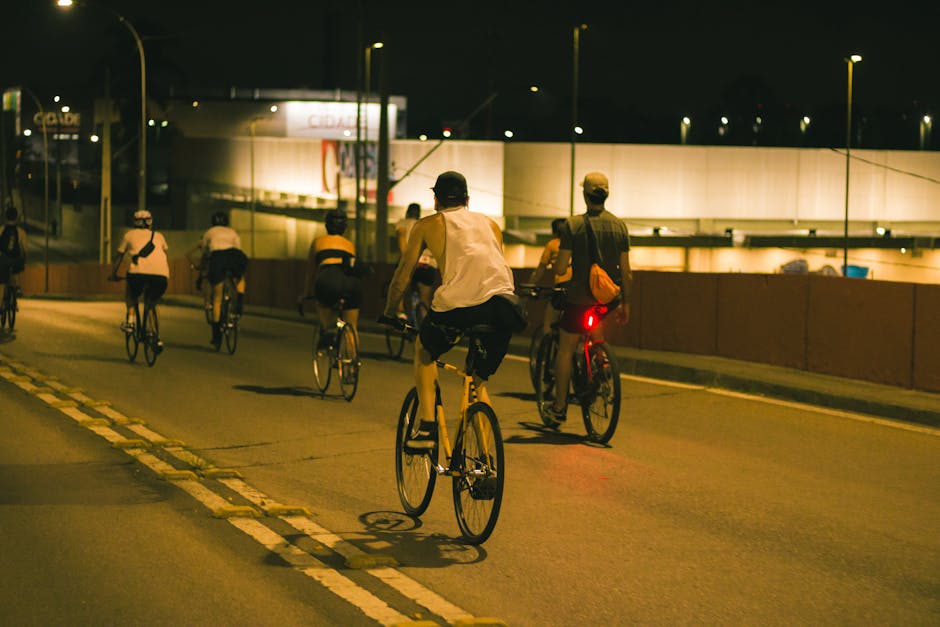
Visibility is one of the most overlooked aspects of city cycling. Drivers often fail to see cyclists, especially at intersections or during low-light hours. Bright, reflective clothing—even during the day—helps you stand out. A white front light and red rear light are non-negotiable, even in daylight. Blinking modes increase attention, but use steady beams at night to avoid disorienting others.
Wear a helmet that fits snugly and sits level on your head. Look for models with MIPS (Multi-directional Impact Protection System) for added safety in angled impacts. While not legally required in all areas, a helmet significantly reduces the risk of serious head injury.
Consider gloves with padded palms to reduce hand fatigue and improve grip. Padded cycling shorts or liner underwear can make longer rides more comfortable, especially if your saddle isn’t ergonomic. For rainy days, a lightweight waterproof jacket and fenders prevent water spray from soaking your clothes.
Master City-Specific Riding Techniques
City cycling demands constant awareness. Unlike open roads, urban environments require frequent stops, lane changes, and interactions with pedestrians and vehicles. Here are key techniques to ride smarter:
- Scan constantly: Check mirrors and glance over your shoulder before turning or changing lanes. Assume drivers don’t see you.
- Ride predictably: Signal turns early and maintain a straight line. Avoid sudden movements that confuse drivers.
- Use bike lanes when available: But stay alert—doors opening from parked cars (“dooring”) are a common hazard. Ride at least an arm’s length away from parked vehicles.
- Approach intersections with caution: Make eye contact with drivers, especially those turning right. Position yourself in the center of the lane if the bike lane ends or is obstructed.
- Avoid distractions: No headphones or phone use while riding. Keep one ear open for horns, sirens, or approaching vehicles.
Practice these habits on quieter streets before tackling high-traffic routes. Muscle memory builds quickly, and consistent behavior makes you more predictable—and safer—to others on the road.
Maintain Your Bike for Reliable Performance
A well-maintained bike is a safer bike. Regular upkeep prevents breakdowns and ensures responsive braking and shifting. Create a simple maintenance routine:
- Check tire pressure weekly: Underinflated tires increase rolling resistance and the risk of punctures. Use a gauge and follow the PSI range printed on the tire sidewall.
- Inspect brakes monthly: Squeeze the levers—they should engage firmly without hitting the handlebar. If braking feels spongy, pads may be worn or cables loose.
- Lubricate the chain: A dry chain wears faster and makes pedaling harder. Apply bike-specific lube every 100–200 miles, wiping off excess to avoid attracting dirt.
- Tighten bolts and check wheels: Loose handlebars, seat posts, or wheels can lead to accidents. Give your bike a quick “shake test” before each ride.
Many community bike shops offer free tune-ups for students or host workshops on basic maintenance. Learning to fix a flat or adjust brakes empowers you to handle minor issues on the go.
Plan Your Route for Safety and Efficiency
Not all city streets are created equal. Some have protected bike lanes, smooth pavement, and lower traffic; others are narrow, congested, or poorly lit. Use apps like Google Maps (set to “bicycling” mode) or local cycling maps to find safer routes. Look for streets with:
- Dedicated or protected bike lanes
- Lower speed limits (25 mph or less)
- Less truck and bus traffic
- Good lighting and visibility at night
Avoid main arterials during rush hour if possible. Sometimes a slightly longer route with less traffic is faster and far more pleasant. Scout new routes on weekends or during off-peak hours to build familiarity.
Share your route with a friend or family member when riding late. Carry ID and a charged phone in a secure bag or pocket.
Build Strength and Endurance Gradually
Cycling regularly improves cardiovascular health, leg strength, and mental clarity—great benefits for students managing academic stress. But don’t push too hard too soon. Start with short, manageable rides (10–15 minutes) and gradually increase distance and frequency.
Focus on steady, controlled pedaling rather than speed. Use lower gears on hills to conserve energy and reduce strain. If your bike has multiple gears, shift before you need to—don’t wait until you’re straining to climb.
Stretch after rides to prevent stiffness. Simple moves like hamstring stretches, shoulder rolls, and neck rotations help maintain flexibility and reduce soreness.
Smart Cycling Tips That Help Students Ride Safer and Feel Stronger
To summarize, the most effective smart cycling tips combine preparation, awareness, and consistency. Start with a well-fitted, city-appropriate bike and essential safety gear. Practice defensive riding techniques, maintain your bike regularly, and choose routes that prioritize safety over speed. Over time, these habits build physical strength, mental confidence, and a more enjoyable daily commute.
Remember: every ride is a chance to improve. Whether you’re biking to campus, the library, or a part-time job, small adjustments add up. Stay visible, stay alert, and trust your instincts. With the right approach, city cycling becomes not just safer and more comfortable—but genuinely empowering.
FAQ
What’s the most important safety gear for student cyclists?
A properly fitted helmet, front and rear lights, and reflective clothing are essential. Lights help you see and be seen, especially in low-light conditions, while a helmet protects against head injuries in falls or collisions.
How can I make my bike more comfortable for long rides?
Adjust your saddle and handlebars for an upright posture, use padded gloves or shorts, and ensure your tires are properly inflated. A comfortable bike fit reduces fatigue and improves control.
Is it safe to ride in the city during rush hour?
It can be, with caution. Choose routes with bike lanes, avoid high-traffic intersections when possible, and ride predictably. If traffic feels overwhelming, consider riding earlier or later, or using public transit for part of your trip.
