
Smart Bicycle Buyer Guide for Finding the Right Gravel Bicycle for Fitness Riders with a Focus on Gearing for City Streets Leave a comment
Smart Bicycle Buyer Guide for Finding the Right Gravel Bicycle for Fitness Riders with a Focus on Gearing for City Streets
If you’re a fitness-focused rider navigating city streets, choosing the right gravel bicycle means balancing versatility, comfort, and efficient gearing. A well-geared gravel bike lets you maintain rhythm on flat roads, tackle short climbs, and handle mixed terrain without constant shifting. This guide walks you through the key considerations—especially gearing—to help you pick a gravel bike that supports your fitness goals and urban riding style. From gear ratios to frame materials and tire clearance, we’ll cover what matters most so you can ride farther, faster, and more comfortably.
Why Gravel Bikes Are Ideal for Fitness Riders in the City
Gravel bikes have surged in popularity, and for good reason. They blend the speed of road bikes with the stability of mountain bikes, making them perfect for fitness riders who want one bike for commuting, weekend rides, and everything in between. Unlike traditional road bikes, gravel bikes feature wider tire clearance, more relaxed geometry, and mounting points for racks and fenders—ideal for city life.
For fitness riders, the appeal lies in efficiency and adaptability. You can ride longer distances with less fatigue, thanks to a more upright position and vibration-dampening frame design. Plus, gravel bikes handle potholes, gravel paths, and light trails with ease, giving you more route options without sacrificing performance.
Key Advantages of Gravel Bikes for Urban Fitness
- Versatile tire options: Run 32–45mm tires for comfort and grip on rough pavement or dirt paths.
- Stable handling: Longer wheelbases and slacker head tube angles improve control at speed and on uneven surfaces.
- Mounting points: Add racks, lights, and water bottles for practical, all-day rides.
- All-weather capability: Disc brakes offer reliable stopping power in rain or wet conditions.
Understanding Gearing: The Heart of City Riding Efficiency
Gearing is often the most overlooked factor when buying a gravel bike—but it’s critical for fitness riders in urban environments. City streets demand a balance: you need low gears for stop-and-go traffic and short hills, and high gears to maintain speed on flats. The wrong gearing setup can leave you spinning out or struggling up inclines, undermining your fitness efforts.
Most modern gravel bikes use either a 1x (single chainring) or 2x (double chainring) drivetrain. Each has pros and cons depending on your riding style and terrain.
1x vs. 2x Drivetrains: Which Is Right for City Fitness?
A 1x system simplifies shifting with one chainring up front and a wide-range cassette in the rear. It’s lightweight, low-maintenance, and great for riders who prefer minimal fuss. However, gear steps between cogs are larger, which can make it harder to find your ideal cadence on varied terrain.
A 2x system offers closer gear ratios, giving you more options to fine-tune your pedaling effort. This is especially useful in cities with rolling hills or frequent speed changes. The trade-off is added weight and complexity.
For most city fitness riders, a 2x drivetrain is the smarter choice. It provides the range and precision needed to maintain an efficient cadence across diverse urban conditions.
Recommended Gear Ranges for City Riding
Look for a gravel bike with a gear range that covers at least 300%. This means your highest gear is three times taller than your lowest. For example:
- 2x setup: 46/30T chainrings with an 11-34T cassette = ~350% range
- 1x setup: 40T chainring with a 10-51T cassette = ~410% range
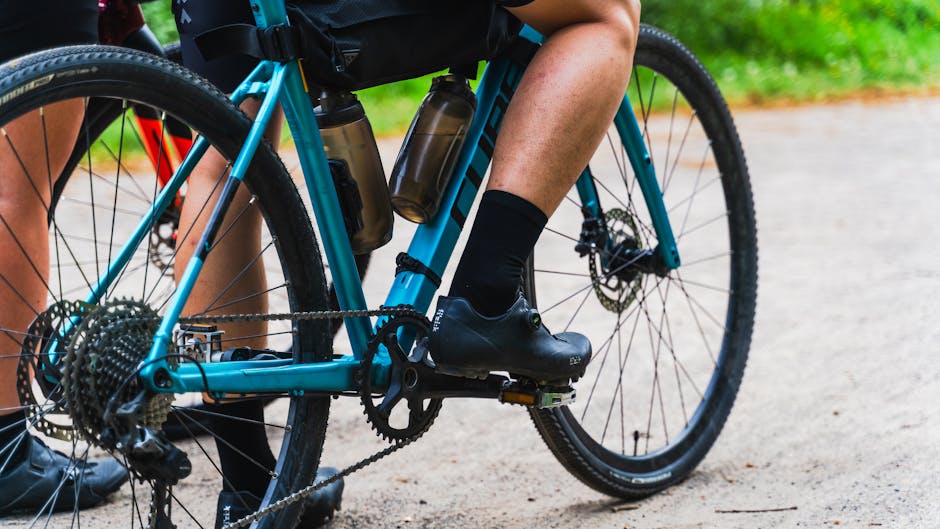
While the 1x offers a wider range, the 2x gives smoother transitions. A 46/30T crankset paired with an 11-34T cassette is a popular choice for fitness riders—it delivers a low 0.88 gear ratio for climbing and a high 4.18 for speed.
Frame Materials: Balancing Weight, Comfort, and Cost
The frame is the foundation of your gravel bike, and material choice affects ride quality, durability, and price. The three main options are aluminum, carbon fiber, and steel.
Aluminum: Affordable and Stiff
Aluminum frames are lightweight and responsive, making them a favorite for entry-level and mid-range gravel bikes. They’re great for fitness riders who prioritize speed and efficiency. However, aluminum can transmit more road vibration, which may lead to fatigue on long rides.
Best for: Budget-conscious riders who want performance without the premium price.
Carbon Fiber: Light and Smooth
Carbon frames absorb road chatter better than aluminum, offering a more comfortable ride over rough pavement. They’re also lighter, which helps with acceleration and climbing. The downside is cost—carbon gravel bikes start around $1,800 and go up quickly.
Best for: Riders investing in long-term fitness goals and willing to pay for comfort and performance.
Steel: Durable and Compliant
Steel frames are known for their smooth ride and longevity. They’re heavier than aluminum or carbon, but the natural flex reduces fatigue on long rides. Modern steel gravel bikes often use butted tubing to reduce weight.
Best for: Riders prioritizing comfort, durability, and classic aesthetics over outright speed.
Tire Clearance and Width: Grip and Comfort on City Streets
Tires are your bike’s contact point with the road, and on city streets, they play a huge role in comfort and control. Gravel bikes typically support tires from 32mm to 50mm wide. For urban fitness riding, 35–40mm is the sweet spot.
Wider tires run at lower pressures, absorbing bumps and reducing fatigue. They also provide better traction on wet or uneven surfaces. Look for a bike that accepts at least 40mm tires—even if you start with 35mm, having the option to go wider later is valuable.
Example: The Trek Checkpoint ALR 5 fits up to 45mm tires and comes stock with 40mm GR1 gravel tires—ideal for city riding with occasional trail detours.
Brakes: Disc Brakes Are Non-Negotiable
All serious gravel bikes now come with disc brakes, and for city riding, they’re essential. Rim brakes struggle in wet conditions and wear down over time. Disc brakes—whether mechanical or hydraulic—offer consistent stopping power in rain, mud, or stop-and-go traffic.
Hydraulic disc brakes are preferred for fitness riders because they require less hand effort and modulate better. They’re standard on mid-to-high-end models and worth the investment for daily use.
Fit and Geometry: Comfort Equals Consistency
A bike that doesn’t fit well will hurt your fitness progress. Gravel bikes have more relaxed geometry than road bikes, but fit still matters. Key measurements include stack (height), reach (length), and head tube angle.
For city fitness riding, aim for a slightly upright position—this reduces strain on your back and shoulders while keeping you alert in traffic. A shorter reach and taller stack help achieve this.
Most brands offer size charts, but nothing beats a professional bike fit. Visit a local shop to test ride different models and get measured.
Top Gravel Bikes for City Fitness Riders (2024 Picks)
Here are three well-rounded gravel bikes that balance gearing, comfort, and urban practicality:
1. Canyon Grizl CF SL 7
- Frame: Carbon fiber
- Gearing: Shimano GRX RX810 2x (46/30T, 11-34T)
- Tire clearance: Up to 50mm
- Price: ~$2,500
- Why it’s great: Lightweight, smooth ride, excellent gear range for city hills.
2. Specialized Diverge Sport Carbon
- Frame: Carbon fiber
- Gearing: Shimano GRX RX600 2x (46/30T, 11-36T)
- Tire clearance: Up to 47mm
- Price: ~$2,800
- Why it’s great: Future Shock suspension in the headset absorbs vibrations; ideal for rough city roads.
3. Trek Checkpoint ALR 5
- Frame: Aluminum
- Gearing: Shimano GRX RX400 2x (46/30T, 11-34T)
- Tire clearance: Up to 45mm
- Price: ~$1,900
- Why it’s great: Best value in the list; solid performance with room to upgrade.
Accessories That Enhance City Fitness Rides
Your gravel bike is just the start. These accessories improve safety, comfort, and practicality:
- Fenders: Keep you dry and clean in wet weather.
- Rear rack and panniers: Carry gear without a backpack.
- Front and rear lights: Essential for visibility in traffic.
- GPS computer or phone mount: Track distance, speed, and routes.
- Puncture-resistant tires: Reduce flats from glass and debris.
Common Mistakes to Avoid When Buying a Gravel Bike
- Ignoring gearing: Don’t assume all gravel bikes are equally suited for city riding. Check the gear range.
- Overlooking fit: A bike that’s too long or short will cause discomfort and reduce efficiency.
- Choosing 1x for hilly cities: If your route includes frequent climbs, 2x offers better cadence control.
- Skipping test rides: Always ride before you buy—feel matters as much as specs.
Final Tips for Making the Right Choice
When shopping for a gravel bike as a fitness rider in the city, prioritize these factors in order:
- Gearing: Ensure the bike has a wide, usable range with close ratios (2x preferred).
- Fit and comfort: Get professionally fitted or test multiple sizes.
- Tire clearance: At least 40mm to handle city imperfections.
- Brakes: Hydraulic disc brakes for safety and control.
- Budget: Allocate funds for essential accessories.
Don’t rush the decision. A gravel bike is a long-term fitness partner. Take your time, compare models, and choose one that matches your riding style and goals.
FAQ
What gear ratio is best for city gravel riding?
A 2x drivetrain with 46/30T chainrings and an 11-34T or 11-36T cassette offers the ideal balance of low climbing gears and high-speed options for city fitness riding.
Can I use a gravel bike for daily commuting?
Yes. Gravel bikes are excellent for commuting due to their durability, tire clearance, mounting points, and comfortable geometry. Add fenders and a rack for full practicality.
Is a 1x gravel bike good for fitness riding in the city?
1x systems are simpler and lighter but have larger gear jumps. For city riding with varied terrain, a 2x drivetrain provides better cadence control and efficiency.
