
Simple Cycling Tips That Make Every Bicycle Ride Smoother and More Enjoyable with a Focus on Durability for New Cyclists Leave a comment
Simple Cycling Tips That Make Every Bicycle Ride Smoother and More Enjoyable with a Focus on Durability for New Cyclists
New to cycling? These simple cycling tips will help you ride more smoothly, reduce wear on your bike, and enjoy every mile—without costly repairs or frustration. Whether you’re commuting, exercising, or exploring, small adjustments in technique, maintenance, and gear choice go a long way in building confidence and extending your bike’s lifespan. This guide focuses on practical, beginner-friendly advice that prioritizes durability and comfort, so you can ride longer and worry less.
Start with the Right Bike Fit
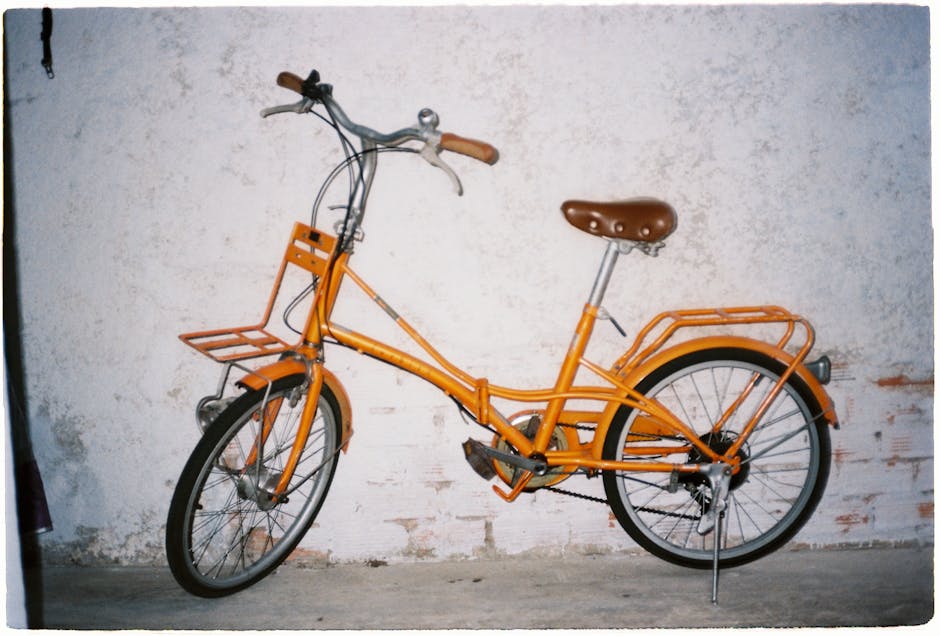
A poorly fitted bike causes discomfort, inefficiency, and long-term strain—on both you and your bicycle. Even the most durable bike won’t last if it’s constantly misused due to poor ergonomics.
Begin with saddle height: when seated, your leg should be almost fully extended at the bottom of the pedal stroke, with a slight bend in the knee. Too high? You’ll rock your hips. Too low? You risk knee strain and inefficient power transfer.
Handlebar reach matters too. If you’re stretching too far forward, you’ll feel tension in your back and shoulders. A shorter stem or adjustable handlebars can help. Many local bike shops offer free fit assessments—take advantage of them.
Example: A rider with a 32-inch inseam on a medium frame should aim for a saddle height around 74 cm from the center of the bottom bracket. Use a plumb line or heel method for a quick check at home.
Maintain Proper Tire Pressure
Underinflated tires increase rolling resistance, make steering sluggish, and raise the risk of pinch flats. Overinflated tires? They transmit more road shock, wearing out rims and reducing grip.
Check your tire pressure weekly. Most tires list the recommended PSI range on the sidewall. For city riding on pavement, stay near the middle of that range. For gravel or rough paths, drop slightly for better traction and comfort.
Use a reliable floor pump with a gauge. Hand pumps often lack accuracy. A $30–$50 pump pays for itself in tire longevity and ride quality.
Warning: Riding with tires below 50% of recommended pressure can damage rims and cause premature wear on the casing. If you’re frequently topping off air, inspect for slow leaks.
Shift Gears Smoothly and at the Right Time
New cyclists often avoid shifting or do it under heavy load—both habits that strain the drivetrain. Shifting while pedaling lightly reduces stress on the chain, cassette, and derailleurs.
Anticipate changes: shift to an easier gear before you hit a hill, not when you’re already straining. On flat roads, aim for a cadence of 70–90 revolutions per minute (RPM). This keeps your legs efficient and reduces wear on components.
Avoid cross-chaining—the extreme diagonal position where the chain runs from the big ring to the largest rear cog, or small ring to the smallest. It increases friction and accelerates wear. Use middle gears when possible.
Tip: Practice shifting on quiet streets. Get used to the feel of each gear so you’re not fumbling during a climb or stop.
Lubricate the Chain Regularly—But Not Too Much
A dry chain squeaks, wears faster, and reduces efficiency. But over-lubing attracts dirt, creating a gritty paste that acts like sandpaper.
Clean your chain every 100–200 miles with a degreaser and brush. Wipe it dry, then apply a drop of bike-specific lubricant to each roller. Let it sit for a few minutes, then wipe off excess with a clean rag.
Choose the right lube: wet lubes for rainy or muddy conditions, dry lubes for dry, dusty rides. Reapply after wet rides or long trips.
Example: A commuter riding 10 miles daily in dry weather should lube every 2–3 weeks. In the rain? Every week or after each wet ride.
Use Proper Braking Technique
Braking hard with the front brake alone can send you over the handlebars. Braking only with the rear causes skidding and wears the tire unevenly.
Apply both brakes evenly, with slightly more pressure on the front—it provides up to 70% of stopping power. Gradually increase pressure as you slow down, especially on descents.
On wet roads, brake earlier and more gently. Slick tires lose grip quickly. Test your brakes before each ride: squeeze them at low speed. If they feel spongy or don’t engage firmly, check cable tension or pad wear.
Warning: Worn brake pads reduce stopping distance and can damage rims. Replace pads when the grooves disappear or they’re thinner than 1mm.
Keep Your Bike Clean and Dry
Dirt, mud, and road salt accelerate corrosion. A quick rinse after a dirty ride prevents buildup in hard-to-reach areas like the bottom bracket and headset.
Use a bucket of soapy water and a soft brush—avoid high-pressure washers, which force water into bearings. Dry the frame with a microfiber cloth, especially around the chainstay and seat tube junctions.
Store your bike indoors or under cover. UV rays degrade rubber and paint over time. If you must leave it outside, use a breathable cover—not plastic, which traps moisture.
Takeaway: Five minutes of cleaning after a muddy ride can prevent hours of repairs later.
Choose the Right Tires for Your Riding Style
Thin, high-pressure tires are fast on pavement but fragile on debris. Wide, knobby tires grip trails but slow you down on roads.
For new cyclists, a 28–32mm hybrid tire offers the best balance: comfortable, durable, and versatile. Look for puncture-resistant models with reinforced casings, like those with Kevlar belts.
Example: A commuter in a city with potholes benefits from 32mm tires at 65 PSI. A weekend trail rider might prefer 35–40mm with lower pressure for grip.
Avoid ultra-lightweight race tires unless you’re focused on speed. They wear out quickly and offer little protection.
Check and Tighten Bolts Periodically
Loose bolts lead to creaks, wobbles, and component failure. The most critical ones to check: stem, handlebars, seat post, and crank arms.
Use a torque wrench when possible—overtightening can strip threads or crack carbon parts. Most bolts on a standard bike require 4–8 Nm of torque.
Do a quick visual and tactile check before long rides. If something feels loose, stop and tighten it. Carry a multi-tool on rides for adjustments.
Warning: A loose stem bolt can cause the handlebars to turn unexpectedly—dangerous at speed.
Invest in Quality Accessories That Last
Cheap lights, racks, and pedals often fail early. Spend a little more on durable, weather-resistant gear.
LED lights with rechargeable batteries last years. Look for models with steady and flashing modes. A rear light that’s visible from 500 feet is a safety must.
Pedals: Platform pedals with metal pins offer grip and durability. Clipless pedals improve efficiency but require practice—start with platforms if you’re new.
Fenders and racks made from aluminum or stainless steel resist rust and support weight better than plastic.
Plan Your Routes Wisely
Smooth pavement reduces vibration and wear. Avoid roads with heavy traffic, potholes, or debris when possible.
Use apps like Komoot or Google Maps (bike layer) to find bike-friendly paths. Rail trails, bike lanes, and park roads often offer safer, more enjoyable rides.
Example: A 5-mile commute on a dedicated bike path causes less wear than the same distance on a bumpy backroad with gravel and curbs.
Takeaway: A smoother route means less stress on your bike—and a more pleasant ride.
Listen to Your Bike
Unusual noises—clicking, grinding, or squeaking—are early warning signs. A clicking crank may need tightening. Grinding in the drivetrain suggests a dirty or dry chain.
Don’t ignore small issues. A loose spoke can lead to a wobbly wheel. A frayed cable can fail mid-ride.
Keep a basic toolkit: tire levers, spare tube, pump, multi-tool, and chain tool. Learn to fix a flat—it’s the most common roadside repair.
When in doubt, visit a shop. A $20 tune-up every 6–12 months prevents bigger problems.
Conclusion
These simple cycling tips help new riders build confidence, extend the life of their bike, and enjoy every ride. Focus on fit, maintenance, and smart habits—like proper shifting, tire care, and route planning. A durable bike isn’t just about materials; it’s about how you use and care for it. Start small, stay consistent, and you’ll ride smoother, farther, and with fewer surprises.
FAQ
How often should I clean my bike?
Clean your bike every 2–4 weeks, or after every muddy or salty ride. A quick wipe-down after each ride helps prevent buildup.
Can I use WD-40 to lube my chain?
No. WD-40 is a cleaner and degreaser, not a lubricant. It will remove oil and dry out your chain. Use a bike-specific chain lube instead.
Is it normal for my bike to make noise when I shift gears?
Some light clicking is normal during shifts. But persistent grinding or skipping suggests a dirty chain, worn components, or misaligned derailleur. Clean and adjust, or visit a shop.
