

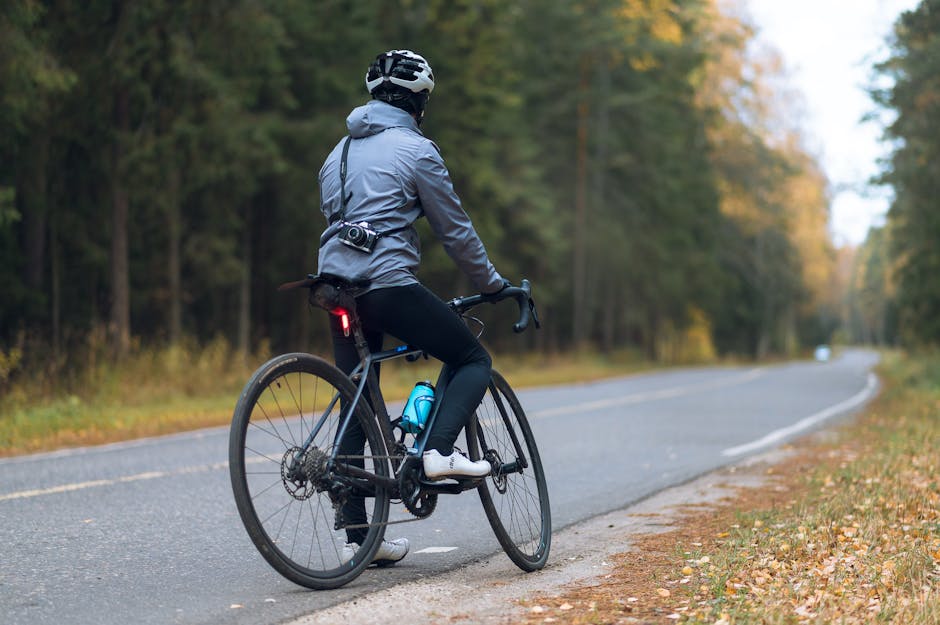
Road Cycling Skills Every Cyclist Should Build for Longer, Smoother Rides Leave a comment
Road Cycling Skills Every Cyclist Should Build for Longer, Smoother Rides
Whether you’re gearing up for a leisurely weekend spin or aiming to cover more miles with less fatigue, mastering key road cycling skills every cyclist should build is essential. These foundational abilities not only enhance comfort and control but also help prevent injury and boost endurance over time. From proper bike fit to efficient pedaling technique and smart pacing, the right skills turn long rides from daunting to enjoyable. This guide breaks down the most important techniques and habits to develop, so you can ride farther, feel better, and enjoy every mile.
Why Road Cycling Skills Matter More Than Gear
Many cyclists assume that upgrading components—lighter wheels, a carbon frame, or high-end groupsets—will automatically improve their ride experience. While quality gear helps, it can’t compensate for poor technique. In fact, even the most expensive bike will feel uncomfortable and inefficient if your body position, pedaling motion, or handling skills aren’t dialed in.
Think of it this way: a professional driver in a sports car still needs to know how to brake smoothly, take corners safely, and manage speed. Similarly, a cyclist needs to master core skills to get the most out of their machine. Investing time in skill development pays dividends in comfort, confidence, and ride longevity—especially on weekend rides where enjoyment matters as much as distance.
1. Mastering Bike Fit for Comfort and Efficiency
A proper bike fit is the foundation of every successful ride. Even minor misalignments can lead to discomfort, numbness, or pain over time. A well-fitted bike allows you to maintain an aerodynamic yet relaxed position, reducing strain on your back, neck, shoulders, and hands.
Key Areas to Check in Your Bike Fit
- Saddle Height: Too high causes rocking hips; too low strains knees. Aim for a slight bend in the knee at the bottom of the pedal stroke.
- Saddle Position (Fore/Aft): Adjust so your knee is directly over the pedal spindle when the crank is horizontal. This optimizes power transfer and reduces joint stress.
- Handlebar Reach and Drop: Your arms should be slightly bent when holding the drops, with a relaxed shoulder posture. Overreaching leads to back and neck tension.
- Stem Length and Angle: A shorter stem can improve handling and reduce strain on the lower back, especially for riders with limited flexibility.
If you’re unsure about your fit, consider a professional bike fit session. Many local bike shops offer this service, and it’s one of the best investments you can make for long-term comfort.
2. Developing a Smooth Pedaling Technique
Efficient pedaling isn’t just about spinning fast—it’s about applying force consistently throughout the entire pedal stroke. Many recreational cyclists “mash” the pedals, pushing hard on the downstroke but losing momentum on the upstroke. This creates an uneven cadence and wastes energy.
How to Improve Pedal Stroke Efficiency
- Focus on Circles: Imagine drawing small circles with your feet. Apply light pressure on the upstroke and maintain smooth transitions at the top and bottom of the stroke.
- Use a Higher Cadence: Aim for 80–90 RPM on flat terrain. This reduces strain on your muscles and joints while improving cardiovascular efficiency.
- Practice One-Leg Drills: Clip in with one foot and pedal while the other rests on a pedal without clipping in. This isolates each leg and helps identify imbalances.
- Shift Gears Proactively: Don’t wait until you’re struggling on a hill. Shift early to maintain a steady cadence, especially when approaching inclines.
Smooth pedaling becomes second nature with practice. Over time, you’ll notice less fatigue and better power delivery, especially on longer rides.
3. Improving Bike Handling and Cornering
Confidence on the bike comes from control. Whether you’re navigating tight turns, descending hills, or riding in a group, strong handling skills keep you safe and comfortable.
Essential Handling Techniques
- Look Where You Want to Go: Your eyes lead your direction. Focus on the exit of a turn, not the apex or the edge of the road.
- Brake Before the Turn: Slow down before entering a corner, not during it. Braking mid-turn can cause skidding or loss of traction.
- Lean the Bike, Not Your Body: Tilt the bike into the turn while keeping your torso relatively upright. This improves balance and control.
- Use Both Brakes: Apply the rear brake gently and the front brake more firmly—up to 70% of stopping power comes from the front. But avoid sudden grabs, which can cause skids.
- Relax Your Grip: Hold the handlebars firmly but not tightly. Tension in your arms and shoulders leads to fatigue and reduces feedback from the road.
Practice these skills in a safe, open area like an empty parking lot. Set up cones and simulate turns, stops, and quick direction changes.
4. Building Core Strength for Stability
A strong core isn’t just for athletes—it’s vital for cyclists. Your core stabilizes your upper body, allowing your legs to generate power without wasted movement. Weak core muscles lead to slouching, lower back pain, and inefficient pedaling.
Simple Core Exercises for Cyclists
- Planks: Hold for 30–60 seconds, keeping your body in a straight line. Do 3 sets, 3 times per week.
- Bird-Dog: On hands and knees, extend one arm and the opposite leg. Hold for 5 seconds, switch sides. Builds balance and stability.
- Dead Bug: Lie on your back, lift knees to 90 degrees, and slowly lower opposite arm and leg. Keeps your lower back protected.
- Glute Bridges: Strengthen your glutes and lower back. Lie on your back, lift hips, squeeze glutes at the top.
You don’t need a gym or equipment. These exercises can be done at home and take just 10–15 minutes. Consistency matters more than intensity.
5. Pacing Yourself for Endurance
One of the most common mistakes on long rides is starting too fast. Burning out in the first 20 miles leaves you fatigued and sore, cutting your ride short. Smart pacing ensures you have energy to enjoy the entire journey.
How to Pace for Longer Rides
- Use the “Talk Test”: You should be able to speak in full sentences while riding. If you’re gasping for air, you’re going too hard.
- Monitor Heart Rate or Power: If you use a heart rate monitor or power meter, stay in Zone 2 (60–70% of max HR) for endurance rides. This builds aerobic base without overtraining.
- Start Conservatively: Begin at 70–80% of your usual effort. Save energy for hills and the final stretch.
- Fuel and Hydrate Early: Don’t wait until you’re thirsty or hungry. Sip water every 15 minutes and eat small snacks (e.g., energy bars, bananas) every 45–60 minutes.
Think of long rides like a marathon, not a sprint. Consistency beats intensity when building endurance.
6. Riding in a Group: Drafting and Communication
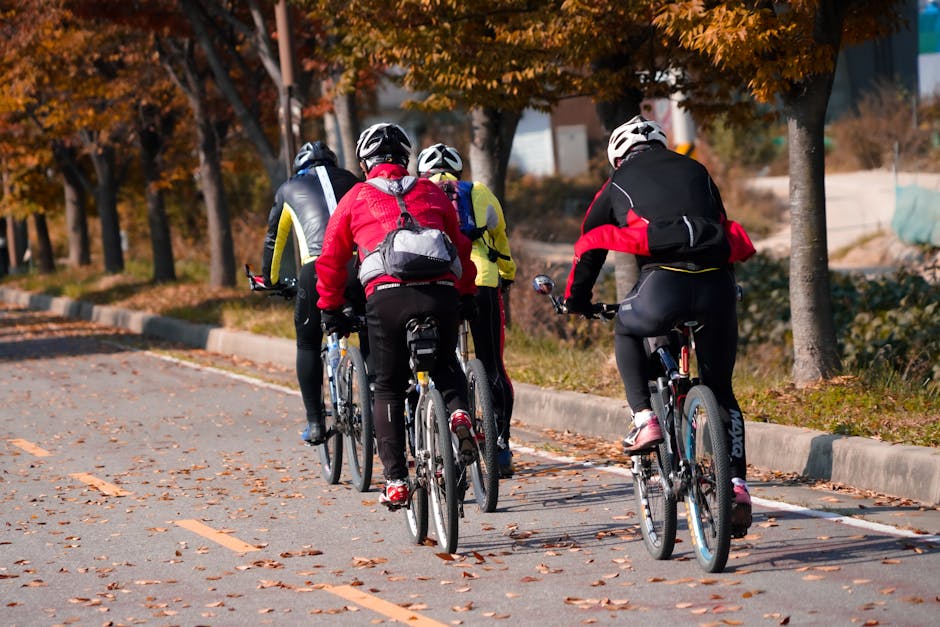
Group rides are a staple of weekend cycling culture, offering motivation, safety, and social connection. But riding in a pack requires specific skills to stay safe and efficient.
Group Riding Essentials
- Drafting: Ride 1–2 bike lengths behind the rider in front. This reduces wind resistance by up to 30%, saving energy. Keep a steady distance—don’t “half-wheel” (ride slightly ahead of the person beside you).
- Hand Signals: Use clear gestures to indicate turns, stops, or obstacles. Point left/right for turns, tap your helmet for road hazards, and extend your arm down for slowing.
- Verbal Cues: Call out “Car back!” “Hole!” or “Slowing!” so riders behind you are aware. Keep it short and loud enough to hear over wind and traffic.
- Stay Predictable: Avoid sudden movements. Signal early and maintain a consistent line.
If you’re new to group riding, start with organized club rides or events. Experienced riders often mentor newcomers and help build confidence.
7. Managing Discomfort and Preventing Injury
Even with perfect technique, long rides can cause discomfort. The key is to recognize early warning signs and address them before they become injuries.
Common Issues and Solutions
| Issue | Likely Cause | Solution |
|---|---|---|
| Numb Hands | Excessive pressure on handlebars | Change hand positions frequently; check saddle tilt |
| Saddle Soreness | Poor saddle fit or chafing | Use padded shorts; adjust saddle height/angle; apply chamois cream |
| Knee Pain | Incorrect saddle height or cleat position | Get a professional fit; ensure cleats are aligned properly |
| Lower Back Pain | Overreaching or weak core | Shorten stem; strengthen core; raise handlebars slightly |
Listen to your body. If pain persists beyond a day or two, consult a physical therapist or sports medicine professional.
8. Preparing for Weekend Rides: A Pre-Ride Checklist
Consistency starts with preparation. A few minutes before each ride can prevent mechanical issues and ensure a smooth experience.
Pre-Ride Routine
- Check Tire Pressure: Inflate to the recommended PSI (usually printed on the tire sidewall). Underinflated tires increase rolling resistance and risk flats.
- Test Brakes and Gears: Squeeze both brake levers—they should engage firmly. Shift through all gears to ensure smooth operation.
- Lubricate the Chain: Wipe off old lube, apply a drop to each chain link, then wipe excess. A clean, lubed chain runs quieter and lasts longer.
- Pack Essentials: Bring a spare tube, tire levers, mini pump or CO2, multitool, phone, and ID. For longer rides, add food, water, and a lightweight jacket.
- Warm Up: Start with 5–10 minutes of easy spinning to loosen muscles and prepare your body for exertion.
Make this routine a habit. It takes less than 10 minutes and can save you from being stranded or uncomfortable on the road.
Putting It All Together: A Sample Weekend Ride Plan
Imagine a typical Saturday morning ride: 40–60 miles on rolling terrain with a few friends. Here’s how the skills above come into play:
- Before: Check bike, inflate tires, pack snacks and tools.
- Start: Warm up for 10 minutes at an easy pace. Focus on smooth pedaling and relaxed posture.
- Mid-Ride: Maintain a steady cadence, use hand signals in the group, and hydrate every 15 minutes.
- Hills: Shift early, stay seated on moderate climbs, and breathe rhythmically.
- Finish: Cool down with 10 minutes of easy spinning. Stretch your hamstrings, quads, and shoulders.
By applying these skills consistently, your weekend rides become more enjoyable, less taxing, and something to look forward to.
Final Thoughts: Build Skills, Not Just Miles
Longer, smoother rides don’t happen by accident. They result from deliberate practice and attention to the fundamentals. The road cycling skills every cyclist should build—from bike fit and pedaling efficiency to handling and pacing—form the backbone of a sustainable, enjoyable cycling lifestyle. You don’t need to be a racer to benefit from these techniques. Whether you’re riding solo or with a group, focusing on skill development will make every mile more comfortable and rewarding.
FAQ
How often should I practice these skills?
Try to incorporate skill-focused drills into at least one ride per week. For example, spend 10 minutes on one-leg pedaling or practice cornering in a safe area. Consistency over time leads to lasting improvement.
Can I improve my cycling skills without a coach?
Absolutely. Many cyclists develop strong skills through self-awareness, video analysis, and feedback from experienced riders. Use apps, online tutorials, and group rides to learn and refine techniques.
What’s the most important skill for comfort on long rides?
A proper bike fit is the single biggest factor in ride comfort. Even the best technique won’t help if your bike doesn’t suit your body. Start there, then build other skills on that foundation.
Related keywords: Road cycling skills every cyclist should build for longer, smoother rides with a focus on comfort for weekend rides.
