
Road Cycling Mistakes That Can Slow Progress and Reduce Ride Enjoyment—Especially on Weekend Rides Leave a comment
Road Cycling Mistakes That Can Slow Progress and Reduce Ride Enjoyment—Especially on Weekend Rides
Weekend road cycling should be a rewarding escape, not a source of frustration or risk. Yet many riders unknowingly make road cycling mistakes that can slow progress and reduce ride enjoyment, particularly when visibility is low or traffic conditions are unpredictable. From poor lighting choices to inconsistent pacing and overlooked safety habits, these errors chip away at performance, safety, and overall satisfaction. Whether you’re training for an event or simply enjoying a Saturday morning spin, recognizing and correcting these common pitfalls can transform your experience. This guide highlights the most frequent missteps—especially those tied to visibility—and offers practical, actionable solutions to help you ride farther, safer, and with greater enjoyment.
Why Visibility Matters More Than You Think
On weekend rides, traffic patterns shift. Commuter lanes thin out, but recreational drivers, delivery vehicles, and distracted motorists become more prevalent. Add in early-morning fog, late-afternoon glare, or tree-lined roads that cast deep shadows, and visibility becomes a critical factor—not just for seeing the road, but for being seen.
Many cyclists underestimate how much their visibility affects both safety and ride quality. A rider who isn’t seen is more likely to be cut off, startled by sudden horn blasts, or forced to brake unexpectedly—all of which disrupt rhythm and increase fatigue. Worse, poor visibility can lead to near-misses or accidents that turn a pleasant ride into a traumatic event.
Consider this: a study by the League of American Bicyclists found that over 40% of cyclist fatalities occur during daylight hours, often due to drivers failing to see cyclists in time to react. While lighting isn’t the only factor, it’s one of the most controllable. Investing in proper lighting and reflective gear isn’t just about compliance—it’s about command of your environment.
The Cost of Inadequate Lighting
Using a weak front light or relying solely on a rear flasher is one of the most common road cycling mistakes that can slow progress and reduce ride enjoyment. A dim front light won’t illuminate potholes or debris beyond a few meters, forcing you to ride slower and more cautiously. Meanwhile, a rear light without a steady mode or side visibility offers minimal protection from vehicles approaching from behind or the side.
For example, a 500-lumen front light may seem sufficient on a well-lit city street, but on a rural road at dusk, it’s barely enough to see road markings. Opt instead for a light with at least 800 lumens and a wide beam pattern. Pair it with a rear light that has both flashing and steady modes, and consider adding spoke or wheel lights for 360-degree visibility.
Another overlooked aspect: battery life. Running out of light mid-ride not only compromises safety but can force an early end to your ride—directly reducing enjoyment. Always check charge levels before departure, and carry a backup power bank if your route extends past sunset.
Poor Visibility Gear Choices
Clothing plays a bigger role in visibility than most riders realize. Dark jerseys, black helmets, and non-reflective accessories blend into shadows and asphalt, especially during overcast conditions or twilight hours. Even bright colors like red or blue can appear muted under certain lighting.
Opt for high-visibility colors such as neon yellow, orange, or green. These shades stand out against most natural and urban backdrops. Add reflective elements—stripes on sleeves, ankle bands, or helmet decals—that catch headlights from any angle. Some jerseys now come with integrated reflective panels; these are worth the investment for regular weekend riders.
Don’t forget your bike. Apply reflective tape to the frame, pedals, and wheels. A simple strip on the down tube or seat post can make a surprising difference when caught in a car’s headlights. For night rides, consider wheel-mounted LED lights that create a moving “halo” effect, increasing your profile in traffic.
Helmet and Eyewear Considerations
Your helmet should do more than protect your head—it should help you be seen. Choose models with built-in rear lights or mounts for clip-on lights. Some helmets even feature side reflectors or bright-colored shells. Avoid matte black or dark gray helmets unless they include high-visibility accents.
Eyewear also impacts visibility—both yours and others’. Clear or light-transmitting lenses are ideal for dawn, dusk, or overcast conditions. Avoid tinted lenses unless riding in full sun. Polarized lenses can reduce glare but may also diminish contrast on wet roads, so use them judiciously. Additionally, glasses with reflective coatings or bright frames can enhance your profile to drivers.
Riding Position and Predictability
Even with perfect lighting and gear, erratic riding behavior can undermine visibility and safety. Swerving to avoid cracks, riding too close to parked cars (risk of “dooring”), or making sudden turns without signaling confuses drivers and increases collision risk.
Maintain a consistent line within the lane—typically about one meter from the curb or parked cars. This gives you space to react and makes your path predictable. Use hand signals clearly and early, especially at intersections or when changing lanes. A simple left-arm extension or right-angle signal gives drivers time to adjust.
On multi-lane roads, avoid riding in drivers’ blind spots. If you’re alongside a vehicle, make eye contact when possible or position yourself where mirrors can catch you. Remember: if you can’t see the driver’s eyes in their mirror, they likely can’t see you.
The Danger of “Ghost Riding”
“Ghost riding”—riding without lights or reflectors during low-light conditions—is a dangerous habit that still persists among some cyclists. It might save a few grams or seem unnecessary on familiar routes, but it dramatically increases risk. A driver approaching from a side street or emerging from a driveway may not see you until it’s too late.
Even on overcast days, visibility drops by up to 60% compared to full sun, according to transportation safety reports. Treat any ride starting before sunrise or extending past sunset as a night ride. Equip your bike accordingly, regardless of how short the dark segment may be.
Pacing and Route Planning Errors
Visibility isn’t just about light and color—it’s also about timing and predictability. One of the most overlooked road cycling mistakes that can slow progress and reduce ride enjoyment is poor route planning. Choosing roads with high traffic volume, poor lighting, or frequent intersections without bike lanes increases exposure and stress.
Use mapping tools like Komoot, Ride with GPS, or Google Maps’ cycling layer to identify safer, well-lit routes. Prioritize roads with bike lanes, lower speed limits, and minimal intersections. Avoid highways and roads with frequent truck traffic unless absolutely necessary.
Timing matters too. Weekend mornings often offer the best conditions—lighter traffic, cooler temperatures, and better visibility. Avoid riding during peak shopping hours (late Saturday afternoon) when side roads are clogged with turning vehicles.
The Myth of “I Know This Road”
Familiarity can breed complacency. Just because you’ve ridden a route ten times doesn’t mean it’s safe in all conditions. Construction, new landscaping, or seasonal changes (like fallen leaves or snow) can alter visibility and road surface quality. Always approach familiar roads with the same caution as new ones, especially during low-light periods.
For example, a tree that once provided shade might now obscure a stop sign or driveway entrance. A pothole you remembered may have deepened. Stay alert, even on your favorite loops.
Equipment and Maintenance Oversights
A well-maintained bike is a safer, more enjoyable bike. Yet many riders neglect basic checks that directly impact visibility and control. Dirty or fogged lenses, loose brakes, or underinflated tires can force you to ride slower or more erratically—both of which reduce enjoyment and increase risk.
Before every weekend ride, perform a quick safety check:
- Lights: Test front and rear lights. Ensure they’re charged and securely mounted.
- Tires: Check pressure and look for cuts or embedded debris.
- Brakes: Squeeze levers to confirm responsiveness. Listen for rubbing or squealing.
- Chain and drivetrain: A clean, lubricated chain ensures smooth shifting and consistent power transfer.
- Reflectors and tape: Wipe clean and confirm they’re not cracked or peeling.
Carry a basic repair kit: spare tube, multitool, tire levers, and a mini pump. A mechanical issue that strands you in a poorly lit area turns a minor delay into a safety concern.
The Hidden Risk of Worn Tires
Tread wear affects more than grip—it impacts how well you can see and respond to road hazards. Bald tires offer less feedback and are more prone to skidding on wet or gravel-strewn roads. This forces cautious riding, which can slow progress and increase fatigue.
Inspect your tires regularly. Use a tread depth gauge or the “penny test” (insert a penny into the tread; if Lincoln’s head is fully visible, it’s time to replace). For weekend riders, consider puncture-resistant tires with reflective sidewalls—they add durability and visibility in one package.
Group Riding Missteps
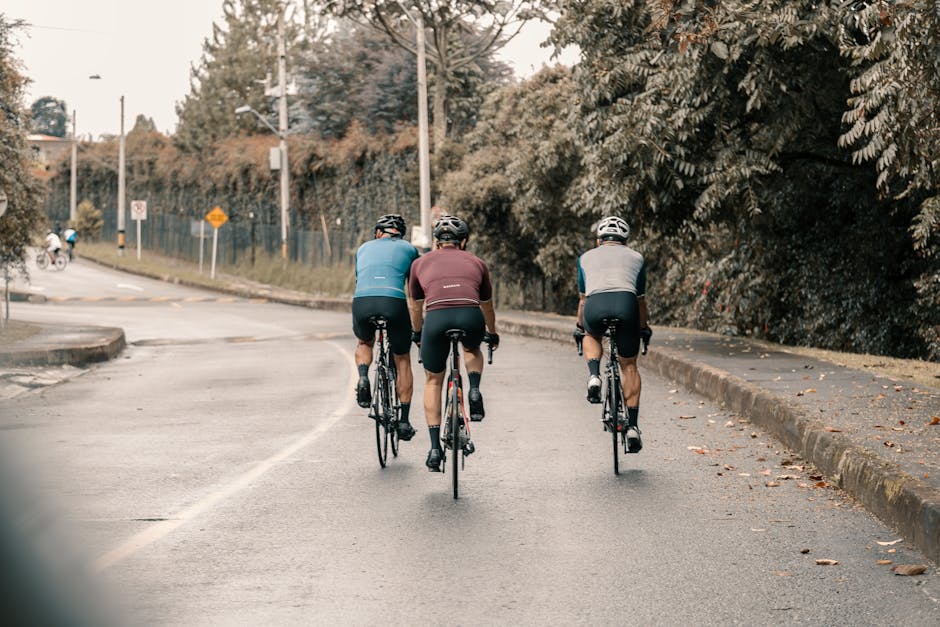
Weekend group rides are popular, but they introduce unique visibility challenges. Riding two abreast may feel natural, but it can block traffic and frustrate drivers, especially on narrow roads. In many regions, it’s also illegal unless the lane is wide enough to accommodate both riders without impeding vehicles.
Stick to single-file formation on roads with moderate to heavy traffic. Use verbal cues (“car back,” “hole left”) and hand signals to communicate. Designate a leader and sweep rider to manage pace and assist if someone falls behind.
Also, avoid drafting too closely behind other riders. While it saves energy, it reduces your ability to see upcoming hazards and react in time. Maintain at least one bike length between you and the rider ahead.
Communication Gaps
Silent groups are dangerous groups. Without clear communication, riders may brake suddenly, swerve unexpectedly, or miss turns. Use standardized signals and calls. For example, point down to indicate debris, tap your helmet to signal a stop, or shout “clear” when passing driveways.
Consider using bike horns or bells for added awareness, especially in blind corners or when approaching from behind. A short, polite beep can prevent a startle reaction from a pedestrian or driver.
Mental and Physical Readiness
Visibility isn’t just physical—it’s mental. Riding while fatigued, distracted, or dehydrated impairs judgment and reaction time. A tired rider is more likely to drift, miss signals, or fail to notice a car turning across their path.
Start your weekend ride well-rested and hydrated. Eat a light, carb-rich snack 30–60 minutes before departure. Avoid checking your phone while riding—even at stoplights. Use a handlebar mount if you rely on navigation, but keep glances brief.
Set realistic goals. Overestimating your fitness leads to burnout, forcing you to ride slower or cut the ride short. Build endurance gradually. A 30-mile ride at a steady pace is more enjoyable than a 50-mile grind that leaves you exhausted and irritable.
The Role of Rest and Recovery
Skipping rest days or riding through illness or injury compounds fatigue and reduces situational awareness. Your brain needs recovery as much as your muscles. Schedule at least one full rest day per week, and listen to your body. If you’re unusually tired, opt for a short, low-intensity ride instead of pushing through.
Weather and Environmental Factors
Weather dramatically affects visibility. Rain, fog, snow, and even strong sunlight can obscure vision and reduce contrast. Adjust your ride plans accordingly.
In rain, use fenders to prevent spray from obscuring your view and that of drivers behind you. Wear a waterproof jacket with reflective elements. Reduce speed and increase following distance—wet roads double stopping distances.
In fog, rely more on lights than on ambient vision. Use a steady front light to illuminate the road surface, and avoid high-speed descents where visibility drops rapidly.
On bright days, sunglasses with UV protection help, but ensure they don’t darken too much in shaded areas. Consider photochromic lenses that adjust to light conditions.
Technology and Tools to Enhance Visibility
Modern technology offers simple ways to boost visibility and safety. GPS devices with navigation alerts can warn you of upcoming hazards or turns. Some smart helmets include turn signals and brake lights activated by handlebar controls.
Action cameras mounted on your helmet or seat post provide evidence in case of an incident and encourage safer riding habits. While not a substitute for lights, they add a layer of accountability.
Apps like Strava or Garmin Connect can help you analyze ride patterns and identify high-risk segments. Review your routes periodically to see where near-misses or sudden brakes occurred—these are red flags for visibility or traffic issues.
Final Thoughts: Ride Smart, Ride Seen
Avoiding road cycling mistakes that can slow progress and reduce ride enjoyment starts with awareness—especially around visibility. From lighting and clothing to route planning and group dynamics, small adjustments compound into safer, smoother, and more satisfying rides. Weekend cycling should be a highlight of your week, not a gamble. By prioritizing visibility and consistency, you protect not only yourself but also the reputation of cyclists as responsible road users.
FAQ
What’s the minimum lighting setup for a safe weekend road ride?
A minimum setup includes a front light with at least 800 lumens and a rear light with both flashing and steady modes. Add reflective clothing and wheel or frame reflectors for 360-degree visibility, especially during low-light conditions.
Can I rely on my phone’s flashlight instead of a bike light?
No. Phone flashlights are not designed for cycling, lack proper beam patterns, and drain battery quickly. They also require one hand to hold, reducing control. Always use dedicated bike lights.
How can I improve visibility without buying new gear?
Start with reflective ankle bands, bright clothing, and cleaning existing lights and reflectors. Apply reflective tape to your bike and helmet. Ride in well-lit areas and avoid high-traffic roads during low-light hours.
Related keywords: Road cycling mistakes that can slow progress and reduce ride enjoyment with a focus on visibility for weekend rides.
