
Road Cycling Habits That Improve Endurance and Reduce Common Mistakes with a Focus on Speed for Weekend Rides Leave a comment
Road Cycling Habits That Improve Endurance and Reduce Common Mistakes with a Focus on Speed for Weekend Rides
If you’re a weekend cyclist looking to ride faster and go longer without burning out, adopting the right road cycling habits is essential. The most effective strategies combine consistent training, smart pacing, proper nutrition, and equipment awareness—all aimed at building endurance while minimizing avoidable errors. By focusing on technique, recovery, and ride structure, you can significantly boost your speed and enjoyment on weekend group rides or solo adventures. This guide outlines practical, evidence-based habits that help riders sustain higher outputs, recover faster, and avoid the pitfalls that slow down progress.
Why Endurance and Speed Matter for Weekend Cyclists
Weekend rides often serve as both recreation and training ground. Whether you’re chasing KOMs on Strava or simply trying to keep up with faster friends, endurance and speed are closely linked. Endurance allows you to maintain a strong pace over distance, while speed reflects your ability to sustain higher power outputs efficiently. Many riders mistakenly believe that longer rides alone build speed—but without structured effort, recovery, and technique refinement, gains plateau quickly.
Common mistakes include starting too fast, neglecting cadence control, skipping warm-ups, and ignoring nutrition. These habits lead to early fatigue, reduced average speed, and increased injury risk. The solution lies in intentional, repeatable behaviors that support both aerobic development and neuromuscular efficiency.
Top Road Cycling Habits That Build Endurance
Endurance isn’t built in a single ride—it’s the result of consistent, smart training over weeks and months. Here are the most effective habits to develop lasting stamina:
1. Prioritize Zone 2 Training
Most endurance gains come from riding at 60–70% of your maximum heart rate, known as Zone 2. This intensity allows you to accumulate high mileage without excessive fatigue. For example, a 2-hour ride at a conversational pace builds mitochondrial density and fat-burning efficiency—key for long-term endurance.
Avoid the temptation to push hard on every ride. Reserve high-intensity efforts for specific sessions, and use Zone 2 as your foundation. Over time, this improves your lactate threshold, meaning you can ride faster before fatigue sets in.
2. Increase Weekly Mileage Gradually
The 10% rule is a reliable guideline: increase your total weekly distance by no more than 10% from the previous week. Jumping from 100 to 150 miles in a week invites overuse injuries like knee pain or IT band syndrome.
Instead, aim for steady progression. If you ride 80 miles this week, target 88 next week. This allows your body to adapt without breaking down.
3. Include Back-to-Back Long Rides
Schedule long rides on consecutive days (e.g., Saturday and Sunday) to simulate fatigue and improve recovery resilience. Start with a moderate 4-hour ride on Saturday, then a slightly shorter 3-hour ride on Sunday. This teaches your body to perform when tired—critical for endurance events or multi-day tours.
4. Practice Fueling During Rides
Even on rides under 90 minutes, practice taking in 30–60 grams of carbohydrates per hour. Use energy gels, bars, or bananas to maintain blood sugar and delay fatigue. Dehydration and glycogen depletion are leading causes of bonking—avoid them by sipping water and eating early and often.
Habits That Reduce Common Mistakes and Boost Speed
Speed on weekend rides isn’t just about power—it’s about efficiency. Small technical and strategic improvements can shave minutes off your time without increasing effort.
1. Maintain a Consistent Cadence
Aim for 80–95 RPM (revolutions per minute) on flat terrain. Lower cadences (below 70 RPM) increase muscular fatigue, while excessively high cadences (above 100 RPM) waste energy. Use your bike’s gears to stay in this sweet spot, especially on climbs.
Example: On a moderate hill, shift down to keep cadence around 80 RPM instead of grinding at 60 RPM. This preserves leg strength and maintains momentum.
2. Master the Art of Pacing
Starting too fast is the #1 mistake on group rides. Use a power meter or heart rate monitor to stay in Zone 2–3 for the first 20 minutes. Even if others surge ahead, resist the urge to match them immediately.
A well-paced ride feels easier in the final third. Try this: divide your ride into thirds and aim to feel progressively stronger. If you’re struggling at the 2-hour mark, you likely started too hard.
3. Improve Aerodynamics
At speeds above 18 mph, air resistance accounts for over 70% of your effort. Small changes make a big difference:
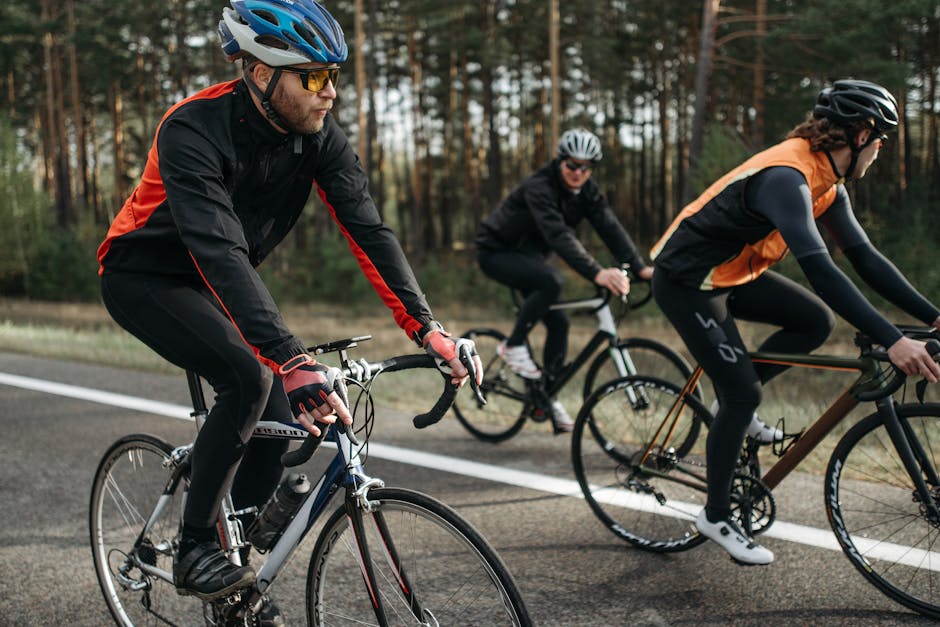
- Keep your elbows tucked and hands on the hoods or drops.
- Lower your torso slightly without rounding your back.
- Wear a fitted jersey and avoid loose clothing.
- Use aero handlebars or a helmet if upgrading equipment.
Even a 5% reduction in drag can save 30 seconds over a 20-mile ride.
4. Practice Cornering and Descending
Smooth, confident handling lets you carry more speed through turns and down hills. Look ahead, lean the bike—not your body—and brake before the corner, not during.
On descents, shift your weight back slightly and keep your hands on the brakes. This improves control and reduces the need to slow down excessively.
5. Warm Up and Cool Down
Skipping warm-ups increases injury risk and reduces power output. Spend 10–15 minutes doing easy spinning followed by 3–5 short accelerations (10–15 seconds at high cadence).
After your ride, cool down with 10 minutes of easy spinning and light stretching. This aids recovery and reduces next-day soreness.
Nutrition and Recovery: The Overlooked Speed Boosters
You can’t out-train poor recovery. What you eat and how you rest directly impact your endurance and speed.
1. Refuel Within 45 Minutes Post-Ride
Consume a mix of carbohydrates and protein (3:1 ratio) within 45 minutes of finishing. A banana with peanut butter or a recovery shake works well. This replenishes glycogen and repairs muscle tissue.
2. Prioritize Sleep
Sleep is when your body adapts to training. Aim for 7–9 hours per night, especially during heavy training weeks. Even one night of poor sleep can reduce power output by 5–10%.
3. Hydrate Consistently
Dehydration of just 2% body weight can impair performance. Drink water throughout the day, not just during rides. For rides over 90 minutes, use electrolyte drinks to replace sodium and potassium.
Equipment Checks That Prevent Slowdowns
Your bike should support your goals, not hinder them. Regular maintenance prevents mechanical issues and improves efficiency.
1. Check Tire Pressure Weekly
Underinflated tires increase rolling resistance. Use a floor pump with a gauge and inflate to the recommended PSI (usually printed on the tire sidewall). For road bikes, this is typically 80–100 PSI, depending on rider weight and tire width.
2. Keep the Drivetrain Clean
A dirty chain and cassette waste energy. Clean and lubricate your chain every 100–200 miles. Use a degreaser and a brush, then apply a quality bike-specific lube. Wipe off excess to prevent grime buildup.
3. Ensure Proper Bike Fit
An ill-fitting bike causes discomfort and inefficiency. Key adjustments include:
- Saddle height: When your heel is on the pedal at the bottom of the stroke, your leg should be straight.
- Reach: You should be able to rest your hands on the handlebars without straining your shoulders.
- Handlebar height: Slightly lower than the saddle for aerodynamics, but not so low that it causes back pain.
Consider a professional bike fit if you experience numbness, knee pain, or lower back discomfort.
Weekly Ride Structure for Maximum Gains
A balanced weekly plan supports both endurance and speed. Here’s a sample schedule for a weekend cyclist:
| Day | Ride Type | Duration | Focus |
|---|---|---|---|
| Monday | Rest or light cross-training | 30–45 min | Recovery |
| Tuesday | Interval training | 60–75 min | Speed and power |
| Wednesday | Easy spin | 45–60 min | Active recovery |
| Thursday | Tempo ride | 75–90 min | Threshold endurance |
| Friday | Rest or short ride | 30–45 min | Leg turnover |
| Saturday | Long endurance ride | 3–5 hours | Aerobic base |
| Sunday | Group ride or tempo effort | 2–3 hours | Speed and social riding |
This structure balances intensity and recovery, ensuring you’re fresh and strong for weekend efforts.
Common Mistakes to Avoid on Weekend Rides
Even experienced riders fall into traps that limit progress. Watch out for these:
- Chasing every attack: In group rides, don’t respond to every surge. Pick your efforts and conserve energy for the final climb or sprint.
- Ignoring weather conditions: Headwinds slow you down more than tailwinds speed you up. Adjust your effort accordingly—ride harder into the wind, recover with it at your back.
- Riding without a plan: Go into each ride with a goal: endurance, tempo, intervals, or recovery. Random efforts yield random results.
- Neglecting post-ride care: Clean your bike, stretch, and refuel. Small habits prevent big problems.
Putting It All Together: A Sample Weekend Ride Plan
Imagine a typical Saturday group ride: 50 miles with rolling hills and a few short climbs. Here’s how to apply these habits:
- Pre-ride (30 min before): Eat a light meal (oatmeal with banana), hydrate, and do a 10-minute warm-up with accelerations.
- Start (first 20 min): Ride at Zone 2, even if the group surges. Stay seated, keep cadence high.
- Middle section: Take pulls at the front for 30–60 seconds, then recover in the draft. Eat a gel every 45 minutes.
- Climbs: Shift early, stay seated as long as possible, and focus on smooth pedal strokes.
- Final 10 miles: Increase effort gradually. If feeling strong, push the pace on the last climb.
- Post-ride: Cool down, stretch, and drink a recovery shake within 45 minutes.
By following this structure, you’ll finish stronger, recover faster, and improve steadily over time.
Final Thoughts: Consistency Over Intensity
The road cycling habits that improve endurance and reduce common mistakes with a focus on speed for weekend rides aren’t flashy—they’re foundational. Zone 2 training, proper pacing, consistent cadence, and smart recovery compound over time. You won’t see dramatic changes overnight, but after 8–12 weeks, you’ll notice you can ride faster with less effort, recover quicker, and enjoy every mile more.
Focus on progress, not perfection. Track your average speed, distance, and how you feel after rides. Small, daily improvements lead to big results.
FAQ
How often should I do high-intensity intervals?
Limit high-intensity interval training to 1–2 sessions per week. More than that increases injury risk and hampers recovery. Always follow intervals with easy rides or rest.
Can I build endurance without riding long distances?
Yes, to a point. Shorter, consistent rides (45–90 minutes) at Zone 2 can build aerobic base, but long rides (3+ hours) are essential for true endurance development, especially for events or multi-hour weekend rides.
What’s the best way to improve speed without a power meter?
Use perceived exertion, heart rate, and cadence. Aim to maintain a steady effort, keep cadence above 80 RPM, and gradually increase average speed over time. Time trials on familiar routes help track progress.
