
Road Cycling Habits That Improve Endurance and Reduce Common Mistakes with a Focus on Braking for City Streets Leave a comment
Road Cycling Habits That Improve Endurance and Reduce Common Mistakes with a Focus on Braking for City Streets
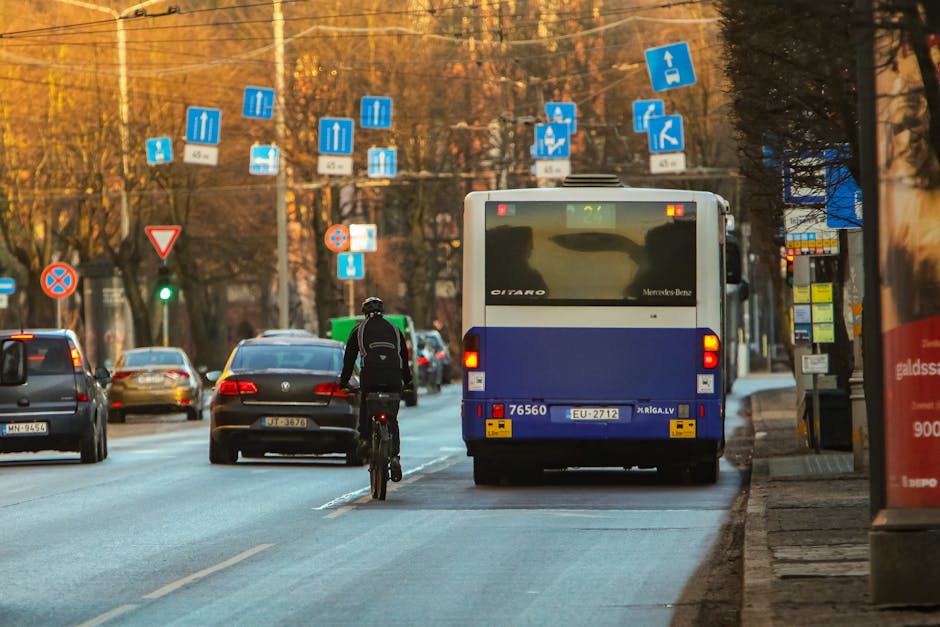
Road cycling in urban environments demands more than just physical fitness—it requires smart habits that boost endurance and minimize errors, especially when it comes to braking. Frequent stops, unpredictable traffic, and tight turns make city streets a high-risk zone for cyclists who lack proper technique. By adopting consistent, effective road cycling habits, you can ride longer with less fatigue while avoiding the most common mistakes that lead to accidents or burnout. This guide focuses on practical strategies to enhance your stamina and control, with special attention to safe, efficient braking in busy city conditions.
Why Braking Technique Matters in Urban Cycling
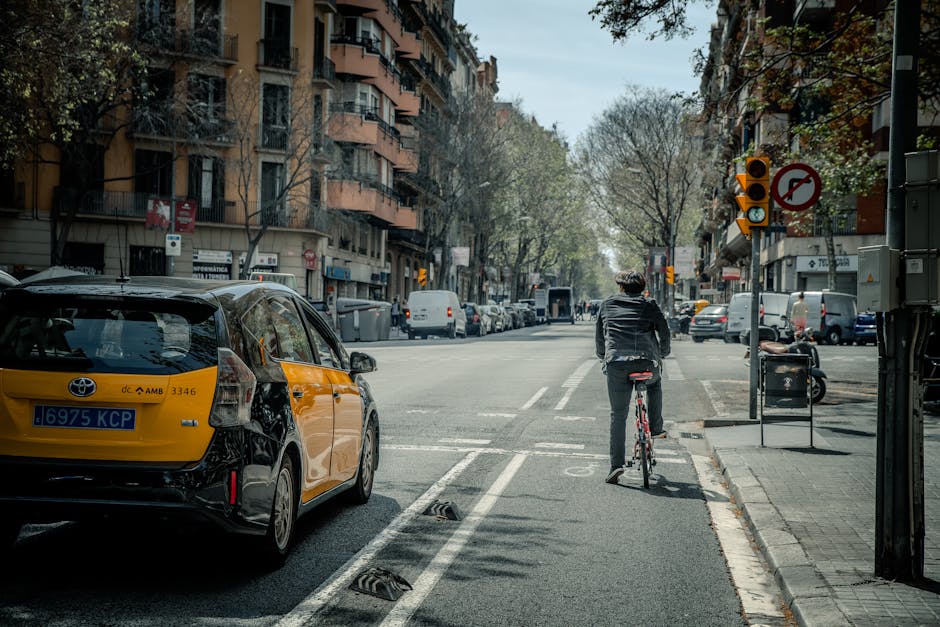
In city riding, braking isn’t just about stopping—it’s about control, timing, and safety. Unlike open roads where gradual deceleration is common, urban cyclists face sudden obstacles: pedestrians stepping off curbs, delivery trucks double-parking, or traffic lights changing without warning. Poor braking habits, such as over-relying on the front brake or slamming both brakes at once, increase the risk of skidding, fishtailing, or going over the handlebars.
Effective braking in city environments involves balance and anticipation. Skilled cyclists use both brakes in proportion: the front brake provides up to 70% of stopping power, but it must be applied gradually to avoid pitching forward. The rear brake helps stabilize the bike and is especially useful on wet or uneven surfaces. Learning to modulate pressure—rather than grabbing the levers—allows for smoother stops and better bike handling.
Common Braking Mistakes and How to Fix Them
- Braking too late: Waiting until the last second to stop reduces control. Instead, scan ahead and begin slowing 10–15 meters before a stop sign or red light.
- Using only one brake: Relying solely on the rear brake sacrifices stopping power. Practice using both brakes together, with slightly more pressure on the front.
- Locking the wheels: Sudden, full-force braking can lock the wheels, especially on slick pavement. Feather the brakes—apply and release gently—to maintain traction.
- Braking in corners: Slowing down mid-turn can cause loss of grip. Always brake before entering a turn, then maintain steady speed through the curve.
Building Endurance Through Consistent Road Cycling Habits
Endurance on the bike isn’t built in a single long ride—it’s developed through consistent, smart habits over time. City cyclists often face fragmented routes with frequent stops, which can disrupt rhythm and increase fatigue. To build lasting stamina, focus on habits that support cardiovascular efficiency, muscular endurance, and mental focus.
1. Maintain a Steady Cadence
Aim for a cadence of 80–90 revolutions per minute (RPM) during steady riding. This range optimizes oxygen use and reduces leg fatigue. Use lower gears on flat terrain to keep your legs spinning smoothly, even when traffic forces you to slow down. Avoid mashing big gears at low RPM, which strains muscles and drains energy quickly.
2. Practice Interval Training
Even in the city, you can incorporate short bursts of effort to boost endurance. Try alternating 3 minutes of moderate pace with 1 minute of higher intensity (e.g., accelerating between stoplights). Repeat this cycle 4–6 times during a ride. These micro-intervals improve your lactate threshold, allowing you to sustain effort longer without burning out.
3. Optimize Your Position
A comfortable, aerodynamic posture reduces energy waste. Keep your back flat, elbows slightly bent, and hands relaxed on the hoods or tops of the handlebars. Avoid hunching your shoulders—this restricts breathing and increases fatigue. A proper fit ensures power transfer and reduces strain on your neck and lower back.
4. Fuel and Hydrate Regularly
Even short urban rides benefit from proper nutrition. Drink water every 15–20 minutes, and carry a small snack like a banana or energy bar for rides over 45 minutes. Dehydration and low blood sugar impair coordination and reaction time—critical factors when navigating traffic.
Anticipating Traffic: The Key to Smoother Rides
One of the biggest drains on endurance—and safety—is constant reaction to unpredictable traffic. City cyclists who ride defensively and anticipate changes conserve energy and avoid last-second maneuvers. This habit reduces stress and improves overall ride quality.
Scan Ahead and Predict Behavior
Look 30–50 meters down the road to identify potential hazards: opening car doors, turning vehicles, or pedestrians stepping into crosswalks. Use side mirrors or quick shoulder checks to monitor traffic behind you. The more you anticipate, the fewer emergency stops you’ll need.
Use Predictable Lane Positioning
Ride in the center of the right-hand lane (or designated bike lane) to make yourself visible and discourage unsafe passing. Avoid hugging the curb, where debris, potholes, and drainage grates can cause accidents. When approaching intersections, move slightly left to avoid the “door zone” of parked cars.
Signal Early and Clearly
Use hand signals at least 30 meters before turning or changing lanes. This gives drivers time to react and reduces the chance of sudden braking. Even if no one seems to notice, signaling reinforces your awareness and helps build muscle memory for safer riding.
Equipment Checks That Prevent Common Mistakes
Many cycling errors stem from poorly maintained gear. A quick pre-ride check can prevent mechanical failures that lead to loss of control, especially during braking.
Essential Pre-Ride Inspection
| Component | What to Check | Why It Matters |
|---|---|---|
| Brakes | Pads aligned with rim, lever tension firm, no squealing | Ensures responsive stopping in traffic |
| Tires | Proper inflation, no cuts or embedded debris | Maintains grip and reduces rolling resistance |
| Chain | Lubricated, not overly loose or tight | Prevents power loss and drivetrain damage |
| Headset & Handlebars | No wobble, secure bolts | Critical for steering control during braking |
Spend 3–5 minutes before each ride inspecting these components. A well-maintained bike responds predictably, especially when you need to stop quickly.
Riding in Wet or Low-Visibility Conditions
City streets become significantly more hazardous in rain, fog, or at night. Wet pavement reduces tire grip by up to 30%, and visibility drops sharply after dark. Adjust your habits to match the conditions.
Braking in the Rain
Wet rims reduce braking efficiency. Apply brakes earlier and more gently than usual. If your bike has rim brakes, lightly squeeze the levers for a few seconds at the start of a ride to dry the rims. Disc brakes perform better in wet weather but still require gradual application to avoid skidding.
Increase Following Distance
Leave at least 3–4 seconds of space between you and the vehicle ahead. This gives you time to react and stop safely if traffic suddenly halts.
Use Lights and Reflective Gear
Front white lights and rear red lights are legally required in most cities at night. Add reflective tape to your bike, helmet, and clothing. Bright, active lighting makes you visible from over 500 feet away—critical for avoiding collisions at intersections.
Developing a Pre-Ride Routine
Consistency starts before you even mount the bike. A simple routine reinforces good habits and reduces the chance of oversight.
- Check the weather: Dress appropriately and adjust your route if heavy rain or high winds are expected.
- Plan your route: Choose streets with bike lanes or lower traffic volume when possible. Apps like Google Maps or Komoot can help identify safer paths.
- Hydrate and fuel: Drink water and have a light snack 30 minutes before riding.
- Do a gear check: Use the table above to verify brakes, tires, and drivetrain.
- Set an intention: Focus on one habit per ride—e.g., “I’ll use both brakes evenly today” or “I’ll scan ahead every 10 seconds.”
Long-Term Habits for Lifelong Cycling
Endurance and safety aren’t achieved overnight. The most effective road cycling habits are those practiced consistently over months and years. Track your progress with a simple log—note distance, average speed, and any close calls or improvements. Over time, you’ll notice fewer mistakes, greater comfort, and increased confidence in traffic.
Join a local cycling group or club to learn from experienced riders. Group rides offer real-world practice in drafting, signaling, and navigating complex intersections. They also provide motivation to ride regularly, which is key to building endurance.
Finally, invest in ongoing education. Watch instructional videos on bike handling, take a safety course, or read guides from organizations like the League of American Bicyclists. Knowledge reinforces good habits and helps you adapt to new challenges.
Conclusion
Mastering road cycling habits that improve endurance and reduce common mistakes—especially braking on city streets—transforms your riding experience. By focusing on controlled braking, consistent training, traffic awareness, and equipment maintenance, you’ll ride farther, safer, and with greater confidence. These habits don’t require expensive gear or elite fitness; they demand attention, practice, and repetition. Start small: pick one technique to refine on your next ride, and build from there. Over time, these practices become second nature, turning every commute or weekend trip into a smoother, more enjoyable journey.
FAQ
How should I brake when descending a hill in the city?
Use both brakes evenly, with slightly more pressure on the front. Avoid holding the brakes continuously—this can overheat rims and reduce stopping power. Instead, apply intermittent pressure (feathering) to control speed while maintaining traction.
Is it better to use rim brakes or disc brakes for urban cycling?
Disc brakes offer superior performance in wet conditions and require less hand force, making them ideal for frequent stopping in traffic. Rim brakes are lighter and simpler but lose effectiveness when wet. For city riding, disc brakes are generally recommended.
How often should I practice emergency stops?
Practice emergency stops once a week in a safe, open area like an empty parking lot. Focus on applying both brakes firmly without locking the wheels. This builds muscle memory and improves reaction time during real emergencies.
