
Road Cycling Guide to Training, Nutrition, and Smoother Weekly Progress with a Focus on Visibility for City Streets Leave a comment
Road Cycling Guide to Training, Nutrition, and Smoother Weekly Progress with a Focus on Visibility for City Streets
Whether you’re commuting to work or enjoying weekend rides through urban neighborhoods, a well-structured road cycling guide to training, nutrition, and smoother weekly progress is essential—especially when visibility on city streets is a daily concern. This guide walks you through practical training plans, fueling strategies, and safety-focused habits that help you ride consistently, recover effectively, and stay seen in traffic. You’ll learn how to build endurance without burnout, eat to support your rides, and make small weekly adjustments that add up to real progress.
Why Visibility Matters in Urban Road Cycling
City streets present unique challenges: stop-and-go traffic, distracted drivers, poor lighting, and unpredictable pedestrian crossings. Unlike open country roads, urban environments demand constant awareness and proactive visibility. Being seen isn’t just about safety—it’s about control. When drivers notice you early, they’re more likely to yield, change lanes safely, or avoid sudden turns into your path.
Studies from transportation safety organizations consistently show that cyclists wearing high-visibility clothing and using front and rear lights are significantly less likely to be involved in collisions. In low-light conditions—such as early mornings, evenings, or overcast days—visibility can reduce accident risk by up to 60%. That’s not an exaggeration; it’s a measurable difference.
Essential Visibility Gear for City Riders
Start with the basics and build from there:
- Front and rear lights: Use steady or pulsing LED lights even during the day. A bright white front light (at least 300 lumens) and a red rear light (100+ lumens) are recommended.
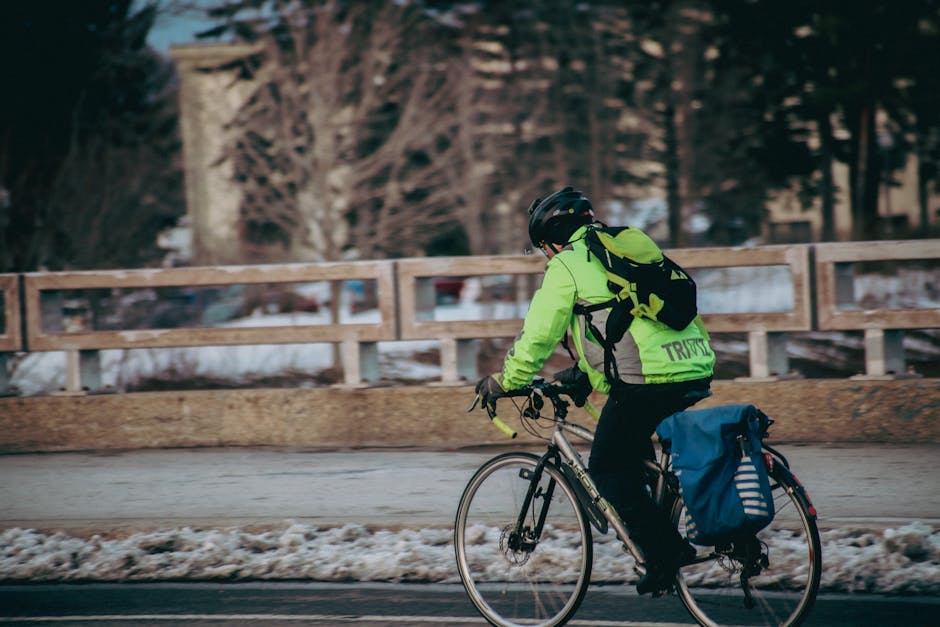
- Reflective clothing: Choose jackets, vests, or ankle bands with reflective strips. Fluorescent colors like neon yellow, orange, or green stand out in daylight.
- Bike reflectors: Ensure your bike has compliant wheel, pedal, and rear reflectors—though these should supplement, not replace, active lighting.
- Helmet with integrated lights: Some modern helmets include rear LED lights, adding visibility at eye level for drivers.
For example, a commuter riding at 7 a.m. in autumn should treat visibility like a helmet—non-negotiable. A simple combo of a flashing rear light and a reflective vest can make the difference between being noticed and being overlooked.
Building a Weekly Training Plan That Fits City Life
Consistency beats intensity when it comes to long-term progress. A weekly training plan for road cycling should balance ride frequency, intensity, and recovery—especially if you’re riding in traffic, which is mentally and physically taxing.
Most recreational riders benefit from 3–5 rides per week, totaling 4–8 hours. The key is progression: small, sustainable increases in volume or effort that build fitness without leading to burnout or injury.
Sample Weekly Road Cycling Training Schedule
| Day | Workout Type | Duration | Purpose |
|---|---|---|---|
| Monday | Rest or light stretching | 20–30 min | Recovery |
| Tuesday | Commute ride (moderate pace) | 30–45 min | Base endurance + practical skill |
| Wednesday | Interval training (e.g., 4×5 min at high effort) | 45–60 min | Improve power and speed |
| Thursday | Easy recovery ride or rest | 30–40 min | Active recovery |
| Friday | Commute or short tempo ride | 30–50 min | Maintain rhythm |
| Saturday | Long endurance ride (steady pace) | 60–90 min | Build aerobic base |
| Sunday | Rest or casual ride | 0–45 min | Recovery and enjoyment |
This structure allows for adaptation. If your commute is already 45 minutes each way, you might skip the Tuesday ride and use those trips as your base training. The goal is to accumulate time on the bike while avoiding overtraining.
How to Track Smoother Weekly Progress
Progress in cycling isn’t always about speed or distance. Smoother weekly progress means feeling stronger, recovering faster, and riding with more confidence—especially in traffic.
Use these simple metrics to monitor improvement:
- Average speed on familiar routes: A 5% increase over 4 weeks suggests fitness gains.
- Perceived exertion: If a ride that once felt hard now feels moderate, you’re adapting.
- Recovery time: Notice if you’re less sore or fatigued between rides.
- Traffic handling: Are you signaling earlier? Scanning intersections more? That’s progress too.
Keep a basic log—digital or paper—to note ride duration, route, weather, and how you felt. Over time, patterns emerge. Maybe you’re stronger on Tuesdays after a rest day, or your Saturday endurance rides are getting easier. Use that data to adjust your plan.
Nutrition Strategies for Urban Cyclists
What you eat directly affects your energy, recovery, and ability to handle the mental load of city riding. Unlike long-distance racers, city cyclists often ride shorter distances but face frequent stops, starts, and stress. Your nutrition should support sustained energy, quick recovery, and mental clarity.
Daily Nutrition Basics
Focus on balance:
- Carbohydrates: Your primary fuel. Include whole grains, fruits, and starchy vegetables. Aim for 45–65% of daily calories.
- Protein: Supports muscle repair. Include lean meats, eggs, dairy, legumes, or plant-based alternatives. 1.2–1.6g per kg of body weight is sufficient for most riders.
- Fats: Important for long-term energy and hormone health. Choose nuts, seeds, avocados, and olive oil.
- Hydration: Even short rides can dehydrate you. Drink water throughout the day. Add electrolytes if riding in heat or for over 60 minutes.
Example: A 70kg rider might aim for 150g of carbs per hour during a long ride, but for a 30-minute commute, a banana and water are plenty. Over-fueling short rides can lead to energy crashes.
Pre-Ride Fueling
Eat a light meal or snack 1–2 hours before riding. Ideal options include:
- Oatmeal with banana and almond butter
- Whole-grain toast with peanut butter and honey
- Greek yogurt with berries and granola
Avoid high-fat or high-fiber foods right before riding—they can cause sluggishness or digestive discomfort.
During the Ride
For rides under 60 minutes: water is usually enough. For longer or more intense rides (e.g., weekend endurance rides), consider:
- Electrolyte drink mixes
- Energy gels or chews (30–60g carbs per hour)
- Bananas, dates, or homemade energy bars
Warning: Don’t experiment with new foods or supplements on long rides. Test them during training to avoid stomach issues.
Post-Ride Recovery
Refuel within 30–60 minutes after riding. A 3:1 ratio of carbs to protein helps replenish glycogen and repair muscles. Examples:
- Chocolate milk
- Smoothie with fruit, spinach, and protein powder
- Rice with grilled chicken and vegetables
Even a short commute benefits from recovery nutrition. It primes your body for the next ride and reduces soreness.
Integrating Visibility into Your Routine
Visibility isn’t a one-time setup—it’s a habit. Make it part of your pre-ride checklist:
- Check lights (front and rear) are charged and functioning.
- Put on reflective gear if riding at dawn, dusk, or night.
- Ensure your helmet is clean and free of obstructions.
- Position yourself visibly in traffic—ride in the center of the lane when necessary (known as “taking the lane”) to prevent unsafe passing.
Consider a handlebar-mounted light controller so you can switch between steady and flashing modes without stopping. Some smart lights auto-adjust based on ambient light—worth the investment if you ride in varying conditions.
Visibility Beyond Gear: Riding Behavior
How you ride affects how visible you are. Predictable movements help drivers anticipate your path.
- Signal turns and lane changes early.
- Ride in a straight line—avoid swerving unless necessary.
- Make eye contact with drivers at intersections.
- Avoid riding in drivers’ blind spots, especially near large vehicles.
For example, when approaching a busy intersection, slow down early, position yourself clearly, and wait for a gap. Rushing through on a yellow light increases risk and reduces visibility.
Common Mistakes and How to Avoid Them
Even experienced riders fall into traps that hinder progress or compromise safety.
Overtraining Without Recovery
Pushing hard every day leads to fatigue, irritability, and increased injury risk. Rest days aren’t optional—they’re where adaptation happens. If you’re too tired to ride safely in traffic, skip the session.
Ignoring Nutrition on Short Rides
Even 20-minute rides deplete energy stores. Skipping post-ride fueling slows recovery and weakens performance over time.
Using Lights Incorrectly
A dim light or one mounted too low won’t help. Use lights at eye level when possible, and avoid pointing bright beams directly at drivers.
Neglecting Bike Maintenance
A well-maintained bike is safer and more efficient. Check tire pressure, brakes, and chain weekly. A sudden brake failure in traffic can be catastrophic.
Putting It All Together: A Smoother Weekly Progress Plan
To achieve smoother weekly progress, integrate training, nutrition, and visibility into a cohesive routine:
- Plan your week: Schedule rides, rest days, and meals in advance.
- Track key metrics: Note ride quality, energy levels, and visibility habits.
- Adjust gradually: Increase ride time by no more than 10% per week.
- Review monthly: Assess progress and tweak your plan based on what’s working.
For instance, if you notice you’re consistently fatigued on Wednesdays, consider moving your interval session to Thursday or reducing intensity. Small tweaks prevent setbacks.
Final Thoughts
A solid road cycling guide to training, nutrition, and smoother weekly progress goes beyond fitness—it’s about riding smarter and safer in the city. By prioritizing visibility, fueling your body properly, and building consistency, you’ll not only improve your performance but also enjoy every ride with greater confidence. Progress isn’t measured in watts or speed alone; it’s in the peace of mind that comes from knowing you’re prepared, seen, and in control.
FAQ
How often should I replace my bike lights for optimal visibility?
Replace or recharge lights based on usage. Most LED lights last 50–100 hours on a charge. Check them before every ride and replace batteries or units every 2–3 years, or sooner if brightness fades.
Can I build fitness without long weekend rides?
Yes. Shorter, consistent rides—like daily commutes or interval sessions—can build endurance and strength. Focus on frequency and gradual progression rather than distance alone.
What’s the minimum visibility gear required for city cycling at night?
At minimum: a white front light visible from 500 feet, a red rear light visible from 600 feet, and reflective elements on your body and bike. Many cities legally require this setup.
