
Road Cycling Guide to Essential Upgrades That Improve Real Performance with a Focus on Braking for City Streets Leave a comment
Road Cycling Guide to Essential Upgrades That Improve Real Performance with a Focus on Braking for City Streets
Upgrading your road bike for city riding doesn’t require a complete overhaul—focused changes can deliver measurable gains in control, safety, and responsiveness. The most impactful improvements often center on braking performance, where split-second decisions matter most in stop-and-go traffic, sudden obstacles, and wet conditions. This road cycling guide to essential upgrades prioritizes real-world benefits over flashy components, with a clear emphasis on enhancing braking systems for urban environments. Whether you’re commuting daily or navigating dense city routes, these targeted upgrades will help you ride faster, stop sooner, and stay safer.
Why Braking Upgrades Matter Most in City Riding
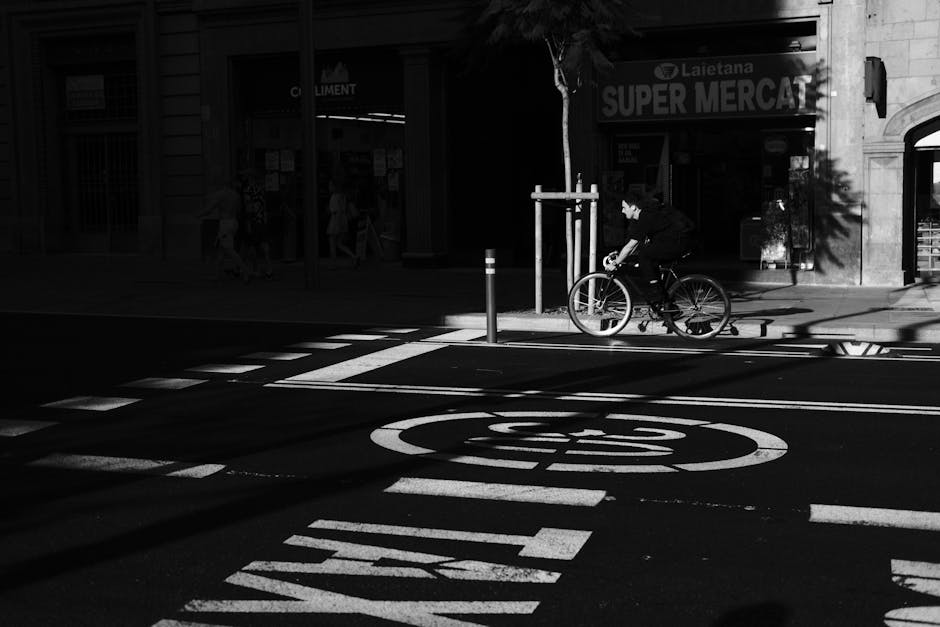
City streets demand different skills and equipment than open roads or race courses. Frequent stops, unpredictable pedestrians, delivery trucks, potholes, and wet leaves all increase the need for reliable, immediate braking. Standard road bike brakes—especially entry-level rim brakes—often lack the modulation and power needed for safe urban navigation. Upgrading your braking system isn’t just about speed; it’s about control, confidence, and reducing stopping distance when it counts.
Disc brakes, for example, offer superior wet-weather performance and consistent power across varying conditions. Unlike traditional caliper brakes, which rely on rim contact and can lose effectiveness when rims are wet or dirty, disc brakes use a rotor mounted to the hub, shielded from road grime. This makes them especially valuable in cities where weather and road conditions change rapidly.
Top 5 Performance-Focused Upgrades for City Road Bikes
Not all upgrades deliver equal returns. Below are five targeted improvements that directly enhance performance, with braking taking center stage.
1. Upgrade to Hydraulic Disc Brakes
If your bike currently uses mechanical disc or rim brakes, switching to hydraulic disc brakes is the single most effective upgrade for city riding. Hydraulic systems use fluid to transfer force from the lever to the caliper, resulting in smoother engagement, less hand fatigue, and more precise control.
Key benefits:
- Shorter stopping distances in dry and wet conditions
- Consistent performance regardless of rim wear or dirt
- Reduced lever effort, ideal for frequent stops
- Better modulation for controlled braking in tight spaces
Considerations: Hydraulic systems require compatible levers, calipers, and rotors. You may need a new groupset or at least a brake-specific upgrade. Always ensure your frame and fork have mounting points for disc brakes (post-mount or flat-mount). If your current bike lacks these, consider a frame swap or a complete bike designed for urban performance.
2. Install High-Quality Brake Pads and Rotors
Even with disc brakes, pad and rotor choice significantly affects performance. Stock brake pads are often generic and wear quickly or squeal in the rain. Upgrading to metallic (sintered) or semi-metallic pads improves heat dissipation and longevity, especially under repeated braking.
Rotors also matter. A 160mm rotor offers a good balance for city use—larger than the common 140mm but not overkill. For hilly cities or heavier riders, 180mm front rotors provide extra stopping power. Look for rotors with cooling fins or heat-treated steel for better performance during long descents or traffic-heavy commutes.
Example: A Shimano RT86 rotor paired with JKCoolStop sintered pads delivers consistent bite in rain and resists fade during prolonged use—ideal for stop-and-go city riding.
3. Switch to Wider, Puncture-Resistant Tires
Tires are your only contact with the road. Narrow, high-pressure tires common on race bikes transmit every pothole and reduce grip during hard braking. Wider tires (28–32mm) at lower pressures improve traction, comfort, and control—critical when braking suddenly on slick surfaces.
Look for tires with reinforced casings and puncture protection, such as Continental Grand Prix 5000 TL (tubeless-ready) or Schwalbe One with Kevlar belt. These reduce the risk of flats from glass or debris, a common urban hazard.
Tip: Ensure your frame and brakes have clearance for wider tires. Many modern road bikes accommodate up to 32mm, but older models may not.
4. Upgrade Brake Levers and Cables (If Staying with Rim Brakes)
If a full disc brake conversion isn’t feasible, improve your existing rim brakes. High-quality brake levers with adjustable reach and ergonomic shaping allow better hand positioning and control. Pair them with compressionless housing and stainless steel cables for sharper response.
Swapping out stock rubber hoods for models with better grip (like those from Dia Compe or Cane Creek) also improves comfort and control in wet weather.
Warning: Avoid mixing incompatible components. For example, using a modern lever with old calipers can result in poor leverage or uneven pad contact. Always check compatibility or consult a mechanic.
5. Add Reflective Elements and Lighting
While not a mechanical upgrade, visibility is part of braking performance. Being seen allows drivers and pedestrians to react earlier, reducing the need for emergency stops. Install front and rear lights (at least 400 lumens front, 100+ rear), and use reflective tape on wheels, pedals, and frame.
Consider dynamo lighting systems (hub or bottle dynamo) for consistent, maintenance-free illumination. They’re especially useful for daily commuters who ride in low-light conditions.
Step-by-Step: How to Prioritize Your Upgrades
Not every rider needs every upgrade. Use this decision framework to focus on what delivers the most value:
- Assess your current setup: Do you skid or lose control when braking hard? Is stopping distance longer than expected in rain?
- Identify your biggest pain point: Frequent flats? Hand fatigue? Poor wet-weather control?
- Prioritize braking first: If braking is inconsistent or weak, address it before other upgrades.
- Budget realistically: A full hydraulic disc brake conversion can cost $300–$800. Tires and pads are under $100 and offer quick wins.
- Test incrementally: Upgrade one system at a time and ride in real city conditions to evaluate improvement.
Common Mistakes to Avoid
Even well-intentioned upgrades can backfire if done incorrectly. Avoid these pitfalls:
- Ignoring compatibility: Not all disc brakes fit all frames. Check mounting standards (flat-mount vs. post-mount) and fork clearance.
- Overlooking maintenance: Hydraulic systems need occasional bleeding. Rim brakes require regular pad and rim inspection.
- Choosing aesthetics over function: Flashy components don’t improve performance. Focus on reliability and serviceability.
- Neglecting fit: Better brakes won’t help if your bike doesn’t fit. Ensure proper saddle height, reach, and handlebar position for control.
Real-World Example: Upgrading a 2018 Aluminum Road Bike for City Use
Consider a typical commuter: a rider with a 2018 aluminum road bike equipped with rim brakes, 23mm tires, and basic components. After experiencing skidding on wet descents and hand fatigue during traffic stops, they decide to upgrade.
Step 1: They confirm their frame lacks disc brake mounts. Instead of a costly conversion, they upgrade to high-performance rim brakes (e.g., Shimano 105 R7000) with Kool Stop Salmon pads and compressionless housing.
Step 2: They switch to 28mm Continental GP 5000 tires at 80 psi (front) and 85 psi (rear), improving grip and comfort.
Step 3: They add front and rear lights and reflective ankle straps.
Result: Stopping distance decreased by an estimated 15% in wet conditions, hand fatigue reduced, and confidence increased—all for under $200.
This example shows that even without a full overhaul, smart, targeted upgrades deliver real performance gains.
Final Takeaways
Improving your road bike’s performance in the city starts with braking. A road cycling guide to essential upgrades should prioritize safety, control, and reliability over speed or weight savings. Hydraulic disc brakes, quality pads and rotors, wider tires, and better visibility collectively create a bike that stops faster, handles better, and keeps you safer in unpredictable urban environments.
Focus on compatibility, maintenance, and real-world testing. Not every upgrade needs to be expensive—some of the most effective changes cost under $100. But always prioritize systems that directly impact your ability to stop quickly and confidently.
FAQ
Can I convert my rim brake road bike to disc brakes?
Only if your frame and fork have disc brake mounting points. Most older road bikes do not. Conversion requires a new frame or a complete bike swap. Some aftermarket adapters exist but are not recommended for safety-critical systems like brakes.
Are hydraulic disc brakes worth the cost for city riding?
Yes, especially if you ride daily or in wet conditions. The improved modulation, reduced hand fatigue, and consistent performance justify the investment for most urban riders.
How often should I replace brake pads on a city bike?
Inspect pads every 500–1,000 miles. Replace them when the pad material is less than 1mm thick or if you notice reduced braking power, squealing, or uneven wear. City riding with frequent stops wears pads faster than recreational use.
