
Road Cycling Guide for Comparing Endurance and Race-Focused Bicycles with a Focus on Efficiency for Weekend Rides Leave a comment
Road Cycling Guide for Comparing Endurance and Race-Focused Bicycles with a Focus on Efficiency for Weekend Rides
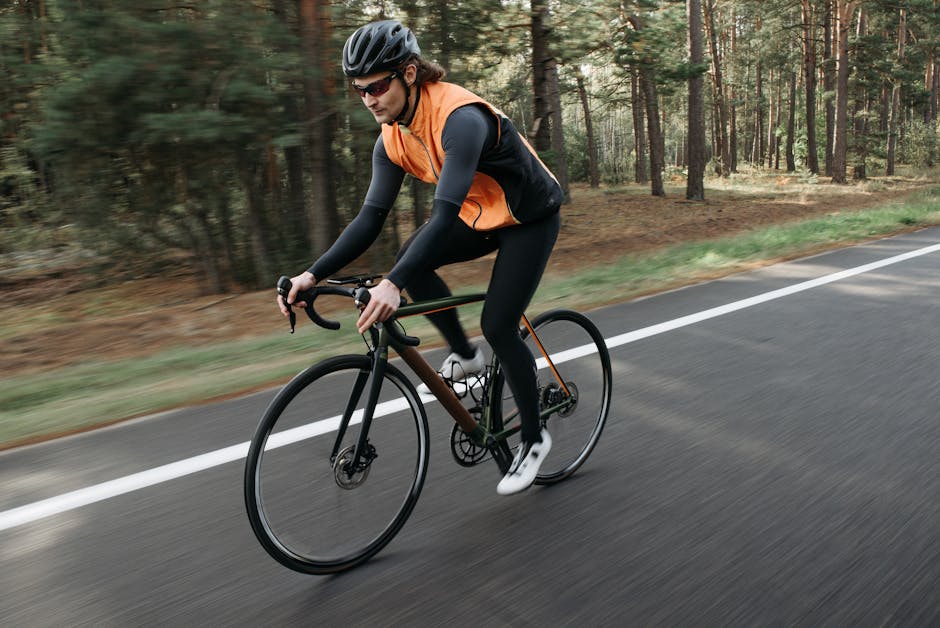
Choosing the right road bike for weekend rides starts with understanding the key differences between endurance and race-focused bicycles. While both are built for speed and efficiency on paved roads, their geometry, components, and ride characteristics cater to distinct riding styles. This road cycling guide breaks down how each frame type performs under real-world conditions—especially on long, rolling routes typical of weekend adventures—so you can make an informed decision based on comfort, responsiveness, and overall ride quality.
What Defines an Endurance Road Bike?
Endurance road bikes are engineered for comfort over long distances without sacrificing too much speed. They feature a more upright riding position, longer wheelbase, and relaxed geometry that reduces strain on the back, neck, and shoulders. This makes them ideal for riders who prioritize steady, enjoyable rides over aggressive performance.
Key Features of Endurance Bikes
- Relaxed Geometry: A taller head tube and shorter top tube allow for a more upright posture, easing pressure on the hands and lower back.
- Wider Tire Clearance: Most endurance models accommodate tires up to 32mm or even 35mm, improving grip and shock absorption on rough pavement.
- Compliance-Oriented Frame Design: Many use curved seat stays, carbon layup techniques, or proprietary dampening systems (like Specialized’s Future Shock or Trek’s IsoSpeed) to absorb road vibrations.
- Stable Handling: Slightly slacker head angles and longer chainstays enhance stability at speed and on descents, reducing fatigue over time.
Popular examples include the Canyon Endurace, Giant Defy, and Trek Domane. These bikes shine on century rides, group rides with varied fitness levels, and routes with uneven surfaces.
What Sets Race-Focused Bikes Apart?
Race-focused bicycles prioritize aerodynamics, stiffness, and responsiveness. Designed for competitive environments, they favor aggressive positioning and rapid acceleration. While less forgiving over long distances, they deliver superior efficiency when ridden at higher speeds—ideal for fast-paced weekend group rides or time trials.
Key Features of Race Bikes
- Aggressive Geometry: Lower front end, longer reach, and steeper seat tube angles place the rider in a forward-leaning, aerodynamic posture.
- Stiffer Frame and Fork: Maximizes power transfer from pedaling, especially during sprints or climbs.
- Narrower Tire Clearance: Typically limited to 25–28mm tires, which reduces rolling resistance but offers less cushioning.
- Lighter Weight: Often built with high-modulus carbon to shed grams, aiding climbing and acceleration.
Examples like the Specialized Tarmac SL8, Cervelo R5, and Pinarello Dogma F are common among racers and performance-oriented enthusiasts. They excel on smooth roads and fast, technical descents but may feel harsh on longer, less consistent routes.
Efficiency Comparison: Which Bike Delivers Better Performance on Weekend Rides?
Efficiency in road cycling isn’t just about speed—it’s about how effectively a bike converts your effort into forward motion over varied terrain and duration. For weekend riders covering 50–100 miles with mixed climbs, descents, and social pacing, the balance between comfort and performance becomes critical.
Power Transfer and Responsiveness
Race bikes generally offer better power transfer due to stiffer bottom brackets and rear triangles. On flat sections or short climbs, this means less energy is lost through frame flex. However, that same stiffness can translate road chatter directly to the rider, increasing fatigue over time.
Endurance bikes, while slightly less rigid, use engineered compliance to maintain efficiency without sacrificing comfort. Modern designs ensure minimal power loss while smoothing out rough patches—making them surprisingly efficient on longer rides.
Aerodynamics and Speed
Race-focused models often incorporate aerodynamic tubing shapes and integrated cockpits to reduce drag. At speeds above 20 mph, this can result in measurable time savings. But for most weekend riders averaging 15–18 mph, the difference may not justify the trade-off in comfort.
Endurance bikes are catching up. Brands like Cannondale and Scott now offer aero-optimized endurance frames (e.g., Cannondale Synapse Hi-MOD) that blend speed and comfort effectively.
Climbing Performance
On steep climbs, weight matters—but so does rider fatigue. A lighter race bike may feel snappier on short, punchy ascents, but an endurance bike’s stable handling and reduced vibration can help maintain rhythm over longer grades. Many endurance frames now weigh within 200–300 grams of their race counterparts, narrowing the gap significantly.
Comfort vs. Performance: Finding the Right Balance
For most weekend riders, comfort directly impacts how far and how often you ride. A bike that causes discomfort after two hours may sit in the garage while a slightly slower but more forgiving option gets regular use.
Consider these factors when comparing endurance and race-focused bicycles:
- Fit and Flexibility: If you have back or neck issues, an endurance bike’s upright stance reduces strain.
- Typical Ride Distance: Rides under 40 miles may benefit from a race bike’s responsiveness; longer rides favor endurance geometry.
- Road Conditions: Rougher pavement or chip-seal roads amplify the benefits of wider tires and frame compliance.
- Riding Style: Do you sprint often, or maintain a steady tempo? Aggressive riders may prefer race bikes; steady pacers often enjoy endurance models.
Many manufacturers now offer “sportive” or “all-rounder” bikes that blend traits from both categories. The Merida Scultura Endurance and Orbea Orca M30 are examples of hybrids that deliver race-like handling with endurance-level comfort.
Component Considerations for Weekend Efficiency
Frame type sets the foundation, but components influence real-world efficiency. Groupsets, wheels, and tires all play roles in how a bike performs on weekend outings.
Drivetrain and Gearing
Endurance bikes often come with wider-range cassettes (e.g., 11-34T) and compact or sub-compact cranksets, making steep climbs more manageable. Race bikes typically use tighter gearing (11-28T or 11-30T) optimized for flat to rolling terrain.
For hilly weekend routes, a wider gear range can reduce leg fatigue and keep your cadence steady—boosting overall efficiency.
Wheels and Tires
Modern research shows that wider tires (28–32mm) at lower pressures can actually be faster than narrow ones due to reduced rolling resistance and better vibration damping. Endurance bikes are better suited to take advantage of this.
Pairing a quality set of lightweight alloy or carbon wheels with high-volume tires can transform an endurance bike into a highly efficient weekend machine. Consider models like the Bontrager Paradigm TLR or Zipp 303S for balanced performance.
Contact Points
Handlebar shape, saddle design, and pedal system all affect comfort over hours in the saddle. Endurance bikes often feature ergonomic bars with flared drops and more forgiving saddles. Race bikes may use narrower, lighter components that prioritize weight savings over long-term comfort.
Don’t overlook the importance of a proper bike fit—even the best frame won’t perform well if it doesn’t suit your body.
Real-World Scenarios: Which Bike Wins?
Let’s look at two common weekend ride types to see how each bike performs.
Scenario 1: Hilly Century Ride (100 miles, mixed terrain)
An endurance bike like the Giant Defy Advanced 2 with 32mm tires and a 11-34T cassette will help you maintain a steady rhythm on climbs and remain comfortable on descents. The relaxed geometry reduces lower back strain, and the compliance absorbs road imperfections—key for enduring six or more hours in the saddle.
A race bike such as the Cervelo R5 might feel quicker on short climbs but could lead to premature fatigue on longer ascents or rough sections, especially if you’re not used to an aggressive position.
Scenario 2: Fast Group Ride (40–60 miles, flat to rolling)
Here, a race-focused bike shines. The Specialized Tarmac SL8 with 25mm tires and a stiff frame allows quick accelerations and efficient drafting. Riders who can maintain an aerodynamic position will benefit from reduced drag and responsive handling.
An endurance bike may feel slightly sluggish in surges but will still keep up—especially if equipped with aerodynamic wheels and narrow tires.
Upgradability and Long-Term Value
Both bike types can be upgraded, but endurance frames often offer more flexibility. Features like clearance for wider tires, mounts for racks and fenders, and compatibility with electronic shifting make them versatile for gravel-adjacent riding or bikepacking.
Race bikes are typically optimized for pure performance, with fewer mounting points and tighter clearances. That said, many high-end race models now include hidden fender mounts or storage solutions, narrowing the gap.
Consider your long-term goals: Do you want one bike for everything, or a dedicated speed machine? Endurance bikes tend to age better as your priorities shift from performance to comfort.
Making the Final Decision
There’s no universal “best” bike—only the right bike for your needs. Use this checklist to guide your choice:
- Assess Your Typical Ride: Distance, terrain, speed, and group dynamics all matter.
- Test Ride Both Types: Spend at least 30 minutes on each. Pay attention to comfort after 20+ minutes.
- Evaluate Fit: A professional bike fit can make a race bike more comfortable or an endurance bike more aggressive.
- Consider Future Use: Will you ride in all weather? Carry gear? Explore light gravel? Endurance bikes adapt better.
- Budget for Upgrades: Tires, wheels, and saddles can dramatically alter a bike’s character.
Remember: efficiency on weekend rides isn’t just about watts per kilogram—it’s about how consistently you can ride, recover, and return for the next adventure.
Final Thoughts
Whether you choose an endurance or race-focused bicycle, the goal is the same: to ride farther, faster, and more comfortably. This road cycling guide has shown that both designs offer distinct advantages, and the best choice depends on how you ride, not how you race. For most weekend enthusiasts, a well-spec’d endurance bike provides the ideal blend of efficiency, comfort, and versatility. But if your weekends are all about speed and competition, a race bike may be worth the trade-offs.
Ultimately, the most efficient bike is the one you actually ride.
FAQ
Can an endurance bike be as fast as a race bike?
Modern endurance bikes are very close in speed, especially on real-world roads with imperfections. With aerodynamic wheels and narrow tires, many can match race bikes on flat terrain—while offering far greater comfort over distance.
Should I choose a race bike if I’m training for a gran fondo?
Not necessarily. Gran fondos are endurance events, not races. Most participants benefit more from comfort and stability than aggressive positioning. An endurance or sportive bike is often the better choice.
Are race bikes uncomfortable for long rides?
They can be, especially for riders new to aggressive geometry. However, with proper fit, padded shorts, and gradual adaptation, many riders acclimate. Still, for regular 4+ hour rides, endurance bikes generally provide a more sustainable experience.
