
Road Cycling Guide for Choosing Routes, Gear, and Smart Training Goals with a Focus on Versatility for New Cyclists Leave a comment
Road Cycling Guide for Choosing Routes, Gear, and Smart Training Goals with a Focus on Versatility for New Cyclists
If you’re new to road cycling, getting started can feel overwhelming. Between picking the right bike, planning safe and enjoyable routes, and setting realistic training goals, it’s easy to feel lost. This road cycling guide simplifies the process by focusing on versatility—helping you build skills and confidence across different terrains, conditions, and riding styles. Whether you’re commuting, exploring scenic backroads, or preparing for your first group ride, the right approach to routes, gear, and training will make all the difference. Below, we break down practical steps to help you ride smarter, safer, and more consistently.
Why Versatility Matters for New Road Cyclists
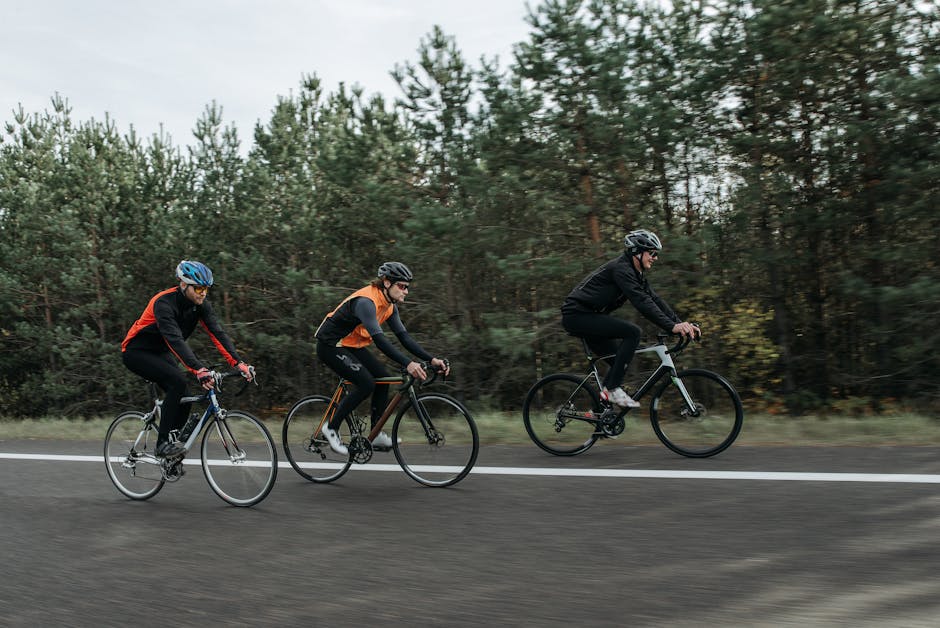
Versatility is the foundation of sustainable road cycling. As a beginner, you don’t need to specialize in long-distance endurance or fast-paced racing right away. Instead, aim to develop a well-rounded skill set that allows you to adapt to various situations. A versatile cyclist can handle flat city streets, rolling hills, gravel shoulders, and changing weather—without needing multiple bikes or overhauling their routine every few weeks.
Starting with a versatile mindset helps you avoid common pitfalls like burnout, injury, or frustration. It also keeps riding enjoyable, which is key to building a long-term habit. Think of versatility not as doing everything at once, but as building a toolkit of skills and gear that grow with you.
Choosing the Right Routes: Safety, Scenery, and Progression
Your route choice directly impacts your enjoyment and safety. For new cyclists, the goal is to start simple and gradually increase complexity. Avoid high-traffic roads with narrow shoulders, steep descents, or poor visibility until you’ve built confidence and control.
Step-by-Step Route Planning
- Start local: Begin with quiet neighborhood streets or dedicated bike paths within 5–10 miles of home. These routes offer low stress and easy access if you need to turn back.
- Use mapping tools: Apps like Komoot, Ride with GPS, or Google Maps (with cycling layer enabled) let you preview elevation, traffic volume, and road surface. Look for routes labeled “bike-friendly” or “low traffic.”
- Check surface conditions: Smooth asphalt is ideal for road bikes, but some routes may include chip-seal, gravel, or potholes. Avoid rough surfaces until your handling skills improve.
- Plan for return options: Choose loops or out-and-back routes with multiple turnaround points. This gives you flexibility if you’re tired or weather changes.
Example: A beginner in Portland, Oregon, might start with the Springwater Corridor—a 21-mile paved trail with minimal road crossings and scenic views along the Willamette River. After a few weeks, they could transition to low-traffic rural roads like those around Sauvie Island, which offer gentle hills and wide shoulders.
Route Types to Explore Gradually
- Flat, low-traffic roads: Ideal for building endurance and practicing gear shifts.
- Rolling hills: Help develop climbing technique and pacing without extreme gradients.
- Urban bike lanes: Useful for commuting practice, but require heightened awareness of cars and pedestrians.
- Group ride routes: Once comfortable, join local club rides on pre-planned, supported routes.
Warning: Avoid highways, busy arterials, or roads with frequent truck traffic. Even if a route looks short on a map, poor road conditions or high speeds can make it unsafe for new riders.
Essential Gear for Versatile Road Cycling
You don’t need the most expensive equipment to start, but the right gear enhances safety, comfort, and adaptability. Focus on essentials that work across multiple scenarios—commuting, weekend rides, and occasional adventures.
Must-Have Equipment Checklist
| Category | Recommended Item | Why It Matters |
|---|---|---|
| Bike | Entry-level road or endurance bike with drop bars | Offers comfort on long rides and handles varied terrain better than a race bike |
| Helmet | CPSC-certified, well-ventilated | Non-negotiable for safety; look for MIPS technology for added protection |
| Tires | 28–32mm width, puncture-resistant | Wider tires absorb bumps better and reduce fatigue on rough roads |
| Clothing | Padded cycling shorts, moisture-wicking jersey | Prevents chafing and keeps you dry; avoid cotton |
| Lighting | Front white light (steady/flashing), rear red light | Required by law in many areas; improves visibility in low light |
| Repair Kit | Spare tube, mini pump, tire levers, multi-tool | Enables quick fixes for flats or minor adjustments |
A common mistake is buying a high-end race bike too soon. These bikes prioritize speed over comfort and can be unforgiving on rough roads. Instead, opt for an endurance road bike—like the Trek Domane AL, Specialized Allez, or Giant Contend—which offers a more relaxed geometry and better vibration damping.
Optional but Helpful Add-Ons
- Bike computer or smartphone mount: Tracks distance, speed, and navigation without fumbling with your phone.
- Fenders: Keep you dry and clean on wet roads—great for commuting.
- Rack and panniers: Useful for carrying gear on longer rides or errands.
- Reflective vest or ankle bands: Increases visibility during dawn, dusk, or overcast conditions.
Takeaway: Invest in quality where it matters—helmet, tires, and fit. Save on accessories until you know how you’ll use your bike most often.
Setting Smart Training Goals for Long-Term Progress
Training doesn’t have to mean structured workouts or intense intervals. For new cyclists, the best approach is consistent, manageable progress that builds fitness without burnout. The key is setting goals that are specific, measurable, and aligned with your lifestyle.
Start with Process Goals, Not Performance Goals
Instead of aiming to “ride 100 miles in one day” (a performance goal), focus on process goals like:
- Ride three times per week for 45 minutes
- Complete one new route each month
- Practice shifting gears smoothly on hills
- Learn to fix a flat tire
These goals build habits and skills, which naturally lead to improved performance over time. They’re also easier to maintain during busy weeks or bad weather.
Use the 10% Rule for Mileage Increases
To avoid overuse injuries, increase your weekly riding distance by no more than 10% from the previous week. For example, if you rode 20 miles last week, aim for 22 miles this week—not 30.
This gradual progression allows your body to adapt. It’s especially important for new cyclists whose muscles, joints, and cardiovascular systems are still adjusting to the demands of riding.
Track Progress with Simple Metrics
You don’t need advanced analytics to stay motivated. Track:
- Total miles ridden per week
- Number of rides completed
- Routes explored
- Comfort level (e.g., “no back pain,” “shifted smoothly”)
Use a notebook, app, or even a calendar with checkmarks. Seeing consistent activity builds confidence and reveals patterns—like which routes you enjoy most or when you feel strongest.
When to Add Structure
After 2–3 months of regular riding, consider adding basic structure:
- One endurance ride: Longer, steady effort (e.g., 60–90 minutes at conversational pace)
- One skill-focused ride: Practice climbing, descending, or group riding etiquette
- One recovery ride: Short, easy spin to promote blood flow without strain
Avoid back-to-back hard days. Rest and recovery are part of training—not laziness.
Common Mistakes to Avoid as a New Cyclist
Even with good intentions, beginners often fall into predictable traps. Being aware of these can save you time, money, and frustration.
- Skipping bike fit: A poorly fitted bike causes discomfort and inefficiency. Visit a local shop for a basic fit—even a 30-minute adjustment can transform your ride.
- Ignoring traffic rules: Running stop signs or riding against traffic increases accident risk. Always follow road laws and use hand signals.
- Overestimating ability: It’s tempting to join a fast group ride too soon. Ride within your limits and build up gradually.
- Neglecting maintenance: A dirty chain, underinflated tires, or loose bolts can lead to breakdowns. Clean and inspect your bike monthly.
- Wearing regular clothes: Jeans and cotton shirts lead to chafing and overheating. Padded shorts and technical fabrics make a big difference.
Pro tip: Join a local cycling club or online community. Experienced riders often share route recommendations, gear advice, and safety tips tailored to your area.
Building a Routine That Sticks
Consistency beats intensity when you’re starting out. Aim to ride regularly—even if it’s just 20 minutes—rather than sporadically for hours.
Try these strategies:
- Schedule rides like appointments: Block time on your calendar, just like a meeting or workout.
- Pair riding with other habits: Combine it with listening to podcasts, audiobooks, or catching up with a riding buddy.
- Prepare the night before: Lay out clothes, charge lights, and pack your repair kit so there’s no excuse to skip.
- Be flexible: If you miss a ride, don’t quit. Adjust your goal and get back on track.
Remember: Every ride counts. Whether it’s a 15-minute spin around the block or a 30-mile weekend adventure, you’re building a healthier, more active lifestyle.
Final Thoughts: Ride Your Own Ride
There’s no single “right way” to start road cycling. Your journey will be unique—shaped by your goals, location, schedule, and interests. The most important thing is to begin, stay safe, and enjoy the process.
This road cycling guide emphasizes versatility because it prepares you for real-world riding. You’ll encounter hills, wind, traffic, and unexpected detours. With the right routes, gear, and training approach, you’ll be ready for all of it—without needing to start over every time conditions change.
Start small, stay consistent, and let your confidence grow with every mile. Before you know it, you’ll be the one giving advice to the next new cyclist.
FAQ
What’s the best type of bike for a beginner road cyclist?
An endurance road bike is ideal for most new cyclists. It offers a comfortable riding position, handles rough roads better than race bikes, and works well for commuting, fitness rides, and weekend adventures. Look for models with wider tire clearance (28–32mm) and reliable components like Shimano Claris or Sora.
How often should I ride when starting out?
Aim for 2–3 rides per week, each lasting 30–60 minutes. This frequency builds fitness without overwhelming your body. Focus on consistency rather than distance or speed in the beginning.
Do I need special clothing to ride on the road?
Yes. Padded cycling shorts prevent discomfort on long rides, and moisture-wicking jerseys keep you dry. Avoid cotton, which retains sweat and causes chafing. Bright or reflective clothing improves visibility, especially in low light.
