
Road Cycling Guide for Choosing Routes, Gear, and Smart Training Goals with a Focus on Safety for New Cyclists Leave a comment
Road Cycling Guide for Choosing Routes, Gear, and Smart Training Goals with a Focus on Safety for New Cyclists
Starting your road cycling journey can be exciting but overwhelming. This road cycling guide walks you through essential decisions—from picking safe, beginner-friendly routes to selecting reliable gear and setting realistic training goals—all with safety as the top priority. Whether you’re commuting, exploring scenic backroads, or training for your first event, the right preparation makes all the difference. You’ll learn how to assess route difficulty, choose equipment that fits your needs, and build fitness progressively without risking injury or accidents.
Choosing the Right Routes for Beginners
Your first rides should prioritize safety, comfort, and confidence. Avoid high-traffic roads, steep climbs, or poorly maintained paths until you’ve built basic skills and endurance. Instead, look for routes that offer predictable conditions and minimal hazards.
Key Factors When Evaluating a Route
- Traffic volume: Choose roads with lower speed limits and fewer vehicles. Residential streets, bike lanes, or designated bike paths are ideal.
- Surface quality: Smooth pavement reduces the risk of punctures and loss of control. Avoid gravel, potholes, or uneven surfaces until you’re more experienced.
- Elevation gain: Flat or gently rolling terrain helps new riders focus on pedaling technique and traffic awareness without added strain.
- Visibility and lighting: Well-lit roads with clear sightlines help you anticipate turns, intersections, and obstacles.
- Access to services: Pick routes near gas stations, bike shops, or public restrooms in case of mechanical issues or fatigue.
Use apps like Komoot, Ride with GPS, or Strava to find popular local routes rated for beginners. These platforms often include user reviews, elevation profiles, and photos that give real-world insights. For example, a 10-mile loop through a suburban park with bike lanes and minimal stoplights is far more suitable than a busy highway connector, even if it’s shorter.
Sample Beginner-Friendly Route Criteria
| Feature | Ideal for Beginners | Avoid |
|---|---|---|
| Traffic | Low-speed roads, bike lanes | Highways, busy arterials |
| Terrain | Flat or slight incline | Steep climbs, descents |
| Surface | Paved, smooth | Gravel, cracked pavement |
| Distance | 5–15 miles | Over 20 miles (initially) |
Start with short rides (5–10 miles) twice a week and gradually increase distance and complexity. Always scout a new route during daylight and low-traffic hours before committing to it on a regular ride.
Essential Gear for Safe and Comfortable Riding
Proper equipment doesn’t just improve performance—it protects you. As a new cyclist, focus on core safety items and functional clothing before investing in high-end components.
Must-Have Safety Equipment
- Helmet: A properly fitted helmet is non-negotiable. Look for CPSC certification and ensure it sits level on your head, covering the forehead without tilting back.
- Front and rear lights: Even during daytime, lights increase visibility. Use a white front light (at least 200 lumens) and a red rear light with steady and flashing modes.
- Reflective clothing or accessories: Bright colors and reflective strips help drivers see you, especially at dawn, dusk, or in overcast conditions.
- Bell or horn: Required in many areas and useful for alerting pedestrians or other cyclists.
Bike Fit and Maintenance Basics
A well-fitted bike prevents discomfort and injury. Visit a local bike shop for a basic fit assessment. Key adjustments include:
- Saddle height: When seated, your leg should be nearly straight at the bottom of the pedal stroke.
- Handlebar reach: You should be able to grip the bars without straining your back or shoulders.
- Tire pressure: Check weekly. Underinflated tires increase rolling resistance and puncture risk.
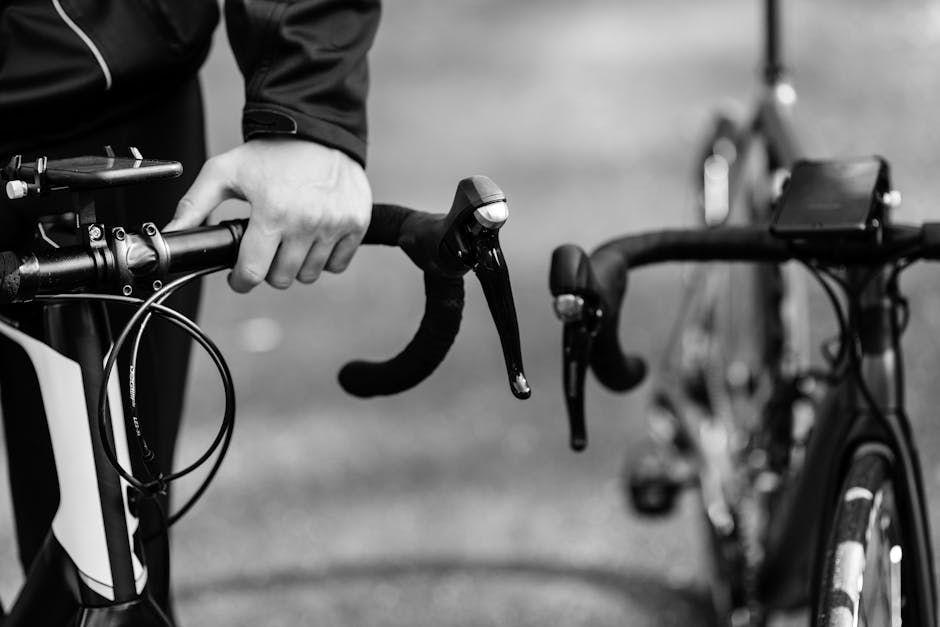
Perform a quick pre-ride check each time: test brakes, ensure wheels are secure, and confirm gears shift smoothly. Carry a basic repair kit including a spare tube, tire levers, mini pump, and multitool.
Clothing and Accessories
While not required, padded cycling shorts reduce chafing on longer rides. Moisture-wicking jerseys keep you cool and dry. Gloves improve grip and protect hands in a fall. Sunglasses shield your eyes from wind, debris, and UV rays.
Avoid loose clothing that can catch in the drivetrain. Wear bright or fluorescent colors—studies show yellow and orange are most visible to drivers during daytime.
Setting Smart Training Goals as a New Cyclist
Training should build fitness gradually while minimizing injury risk. Avoid the temptation to ride too far or too fast too soon. Instead, use the SMART framework: Specific, Measurable, Achievable, Relevant, Time-bound.
Examples of Effective Training Goals
- “Ride 3 times per week for 30 minutes on flat terrain for the next 4 weeks.”
- “Complete a 15-mile ride without stopping by the end of month two.”
- “Improve average speed from 10 mph to 12 mph over 6 weeks on the same route.”
Track progress using a simple journal or app. Note distance, time, perceived effort, and any discomfort. This helps identify patterns and adjust your routine.
Building Endurance and Strength Safely
Start with consistent, moderate rides rather than intense sessions. Aim for 2–3 rides per week, allowing rest days for recovery. Include a mix of:
- Easy rides: 60–70% of maximum heart rate; conversational pace.
- Interval sessions: Short bursts of higher effort (e.g., 1 minute hard, 2 minutes easy) once you’re comfortable.
- Long, slow distance (LSD) rides: Once every 1–2 weeks to build stamina.
Warm up for 5–10 minutes with light pedaling before increasing intensity. Cool down similarly to prevent stiffness.
Warning Signs to Watch For
Discomfort is normal; pain is not. Stop riding and consult a professional if you experience:
- Persistent knee, back, or neck pain
- Numbness in hands or feet
- Dizziness or shortness of breath beyond expected exertion
Overtraining can lead to burnout or injury. Listen to your body and adjust your schedule as needed.
Safety Practices Every New Cyclist Should Follow
Even with the right gear and route, behavior on the road determines safety. Follow traffic laws, communicate intentions, and stay alert.
Road Rules and Etiquette
- Ride in the same direction as traffic, not against it.
- Obey traffic signals, stop signs, and lane markings.
- Use hand signals to indicate turns and stops.
- Stay visible: ride in the right third of the lane when safe, avoid door zones near parked cars.
- Pass other cyclists or pedestrians slowly and announce yourself (“On your left”).
Group Riding Tips
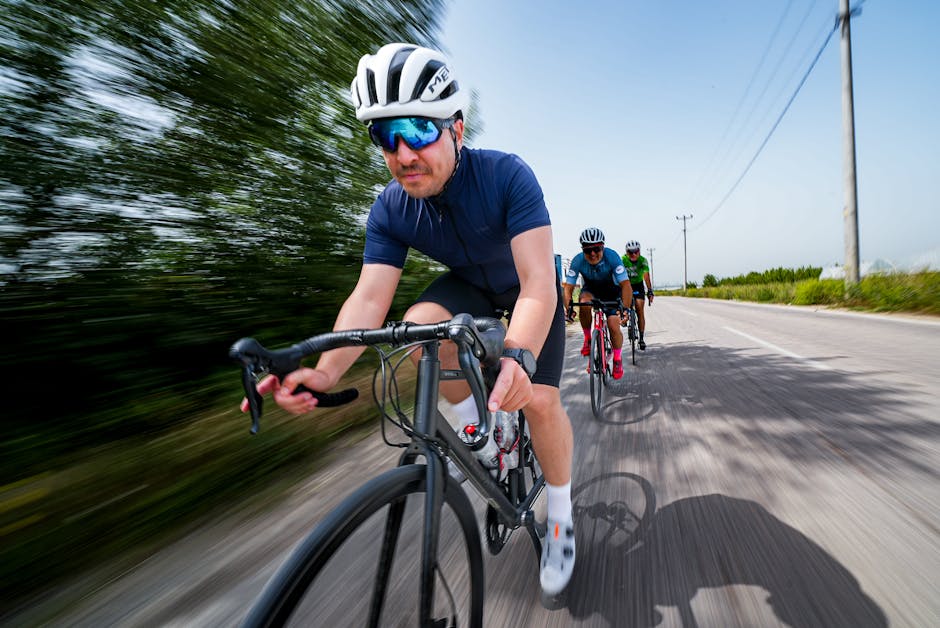
If riding with others, maintain a safe distance (one bike length minimum). Ride in single file on narrow roads. Communicate hazards like potholes (“Rock!”) or debris (“Glass!”). Avoid side-by-side riding in traffic.
Weather and Environmental Considerations
Check the forecast before heading out. Avoid riding in heavy rain, high winds, or extreme heat. Wet roads reduce tire grip and increase stopping distance. In hot weather, hydrate frequently and take breaks in shade.
Be extra cautious at intersections—nearly half of cyclist fatalities occur there. Make eye contact with drivers before proceeding.
Planning for Emergencies and Mechanical Issues
Even experienced cyclists face flats, chain breaks, or sudden illness. Prepare for the unexpected.
Basic Repair Skills Every Cyclist Should Know
- How to change a flat tire
- How to fix a broken chain (with a chain tool)
- How to adjust brakes and gears
Practice these at home before needing them on the road. Watch tutorial videos or take a workshop at a local bike shop.
Emergency Kit Checklist
- Spare inner tube (correct size)
- Tire levers
- Mini pump or CO2 inflator
- Multitool with Allen keys
- Phone and portable charger
- ID and emergency contact info
- Small first-aid kit
Let someone know your route and expected return time on longer rides. Consider carrying a personal locator beacon if riding in remote areas.
Building Confidence and Long-Term Enjoyment
Cycling should be enjoyable, not stressful. Start small, celebrate progress, and ride with others when possible. Join a local club or group ride designed for beginners. Social support increases motivation and safety.
Keep a positive mindset. It’s normal to feel nervous at first—most cyclists do. With consistent practice, road awareness and bike handling improve naturally.
Remember: every expert was once a beginner. Focus on steady progress, not perfection.
FAQ
How do I know if a road bike is the right size for me?
A proper bike fit ensures comfort and efficiency. Visit a bike shop for a professional fitting. Key indicators include comfortable reach to handlebars, slight bend in the knee at the bottom of the pedal stroke, and stable handling. Most shops offer test rides.
Can I ride on sidewalks as a beginner?
In many areas, it’s illegal for adults to ride on sidewalks, and it can be more dangerous due to pedestrians, driveways, and limited visibility. Use bike lanes or quiet streets instead. Always check local laws.
How often should I service my bike?
Perform a basic check before every ride. Take your bike to a shop for a full tune-up every 6–12 months, or after 500–1,000 miles. More frequent use or wet conditions may require earlier service.
This road cycling guide equips new riders with practical knowledge to start safely and confidently. By choosing smart routes, investing in essential gear, setting realistic goals, and prioritizing safety, you’ll build a sustainable and enjoyable cycling habit.
