
Road Cycling Guide for Building Confidence in Traffic and Group Rides with a Focus on Safety for City Streets Leave a comment
Road Cycling Guide for Building Confidence in Traffic and Group Rides with a Focus on Safety for City Streets
If you’re new to road cycling or hesitant about riding in traffic and group settings, this road cycling guide is designed to help you build confidence while prioritizing safety on city streets. Navigating busy urban environments and keeping up with group rides can feel intimidating, but with the right preparation, awareness, and habits, you can ride more securely and enjoyably. This guide walks you through essential skills, safety practices, and mindset shifts to help you become a more confident cyclist in real-world conditions.
Why Confidence Matters in City Cycling
Confidence isn’t just about feeling comfortable—it’s about making quick, safe decisions in unpredictable environments. On city streets, cyclists share space with cars, buses, pedestrians, and delivery vehicles. A confident rider anticipates risks, communicates clearly, and maintains control even in tight or fast-moving situations. Without confidence, hesitation can lead to dangerous situations, such as sudden swerves or missed signals. Building confidence starts with preparation and grows through consistent, mindful practice.
Essential Safety Gear for Urban Road Cycling
Before you even hit the road, ensure your bike and gear meet basic safety standards. The right equipment not only protects you but also makes you more visible and predictable to others.
- Helmet: Always wear a properly fitted helmet. Look for certifications like CPSC, CE, or AS/NZS.
- Lights: Use a white front light and red rear light, even during the day. Blinking modes increase visibility.
- Reflective clothing: Bright or reflective jerseys, vests, or ankle bands help drivers see you from a distance.
- Bike fit and maintenance: Ensure your brakes, tires, and gears are in good working order. A well-maintained bike responds better in emergencies.
- Mirrors: Consider a handlebar or helmet-mounted mirror to monitor traffic behind you without turning your head.
Investing in quality gear is not optional—it’s a foundational part of safe urban cycling. A single reflective vest or bright light can make the difference between being seen and being overlooked in low-light conditions.
Mastering Traffic Navigation: Skills and Strategies
City traffic demands constant awareness and adaptability. Unlike quiet country roads, urban environments require you to read vehicle behavior, anticipate turns, and position yourself wisely in the lane.
Positioning in the Lane
Your position in the lane communicates your intentions and affects how drivers interact with you. Use these guidelines:
- Center of the lane (taking the lane): Use this when the lane is too narrow for a car to pass safely, at intersections, or when avoiding parked cars. This prevents unsafe passing and asserts your right to the road.
- Right third of the lane: Ride here when traffic is light and passing is safe. This allows faster vehicles to pass with adequate space.
- Avoid the gutter: Riding too close to the curb invites drivers to squeeze past and exposes you to debris, grates, and drainage covers.
For example, when approaching a row of parked cars, move slightly left to avoid opening car doors. This “door zone” is a common hazard—typically 3 to 4 feet from the curb. Taking a more central position signals to drivers that they must change lanes to pass, reducing the risk of a collision.
Intersections: The Most Dangerous Zones
Over 40% of cyclist-motorist collisions occur at intersections. Stay visible and predictable:
- Make eye contact with drivers turning across your path.
- Use hand signals clearly and early—extend your left arm for left turns, right arm (or left arm up) for right turns.
- Avoid riding in a driver’s blind spot, especially beside large vehicles like trucks or buses.
- Never assume a green light means it’s safe to proceed—look for turning vehicles.
A practical tip: When waiting at a red light, position yourself in the center of the lane if you’re turning left. This prevents cars from squeezing past and turning right across your path.
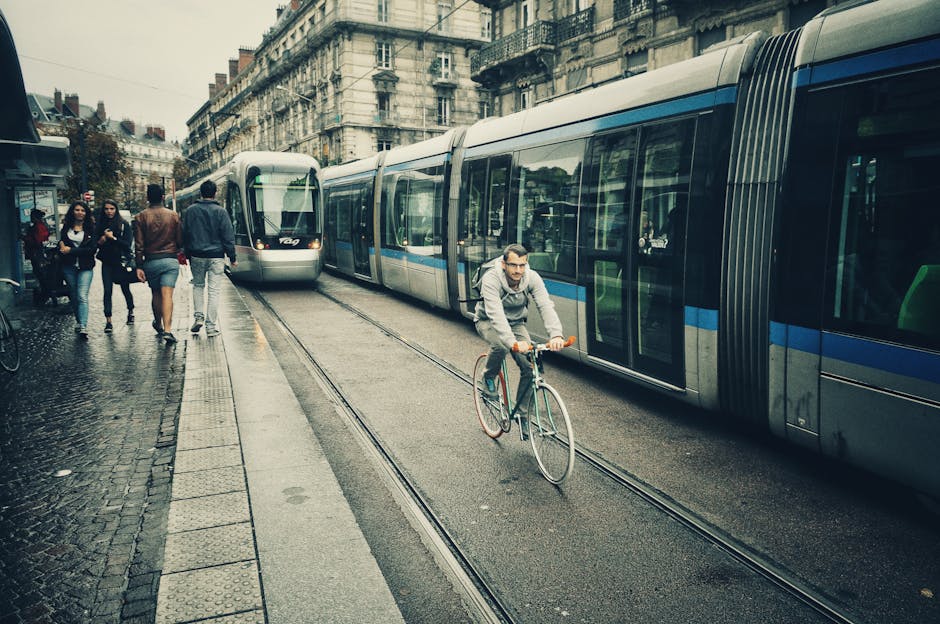
Dealing with Buses and Large Vehicles
Buses and delivery trucks have large blind spots and frequent stops. When near them:
- Stay visible—avoid lingering beside or behind them.
- Be cautious at bus stops—passengers may step into the street unexpectedly.
- Give extra space when overtaking—don’t cut in front of a bus that’s pulling away from a stop.
One common mistake is accelerating quickly after passing a bus, only to have it pull out into your path. Always check mirrors and maintain a safe following distance.
Group Riding: Communication and Etiquette
Group rides are a great way to build confidence, but they require coordination and awareness. Whether you’re joining a local club ride or cycling with friends, understanding group dynamics is key to safety.
Ride Formation and Spacing
In a group, riders typically form a single-file line or a paceline. Maintain a steady distance—about one bike length apart—and avoid overlapping wheels (“half-wheeling”), which can cause sudden braking.
When riding in a paceline (rotating lead position), the rider at the front sets the pace. After a set time or distance, they signal and move to the side, allowing the next rider to take the lead. This conserves energy and keeps the group moving efficiently.
Verbal and Hand Signals
Clear communication prevents accidents. Use these standard signals:
- “Car back”: Call out when a vehicle is approaching from behind.
- “Slowing”: Warn the group when reducing speed.
- “Stopping”: Announce if you need to halt completely.
- “Hole” or “Debris”: Point down to alert others to road hazards.
- “Clear”: Signal when it’s safe to merge or proceed through an intersection.
Hand signals are equally important. Extend your left arm straight out for a left turn, bend it upward at the elbow for a right turn, and point down to indicate stopping or hazards.
Staying Together Without Sacrificing Safety
It’s tempting to close gaps quickly to stay with the group, but sudden accelerations can cause chain reactions. Instead:
- Maintain a steady pace and use smooth, controlled braking.
- If you fall behind, signal and allow the group to slow or stop if needed.
- Avoid drafting too closely—keep at least a wheel’s distance to allow reaction time.
Remember: a cohesive group is safer than a scattered one, but never at the cost of individual safety. If the pace is too fast or the route too risky, it’s okay to drop back or opt out.
Building Confidence Through Practice
Confidence comes from experience, but you don’t need to jump into heavy traffic right away. Use these steps to build up gradually:
- Start in low-traffic areas: Practice in quiet neighborhoods, bike paths, or empty parking lots. Work on signaling, braking, and scanning.
- Simulate traffic scenarios: Practice taking the lane, merging, and reacting to simulated hazards (e.g., cones or parked cars).
- Ride with experienced cyclists: Join beginner-friendly group rides or ride with a friend who knows city cycling well.
- Review and reflect: After each ride, think about what went well and what could improve. Keep a simple journal if helpful.
For example, spend one week riding only during off-peak hours, focusing on lane positioning. The next week, add hand signals and intersection navigation. Gradual exposure builds competence without overwhelm.
Common Mistakes to Avoid
Even experienced cyclists make errors. Avoid these common pitfalls:
- Riding against traffic: Always ride in the same direction as vehicles. Riding against traffic increases collision risk and confuses drivers.
- Earbuds or headphones: Avoid using audio devices that block traffic sounds. You need to hear horns, engines, and sirens.
- Sudden movements: Jerky turns or braking can surprise drivers and other cyclists. Signal early and move predictably.
- Ignoring bike lanes: Use designated bike lanes when available, but stay alert—they often end abruptly or intersect with turning traffic.
- Overestimating visibility: Just because you see a driver doesn’t mean they see you. Make yourself obvious with lights, bright clothing, and deliberate positioning.
One frequent issue is “dooring”—being hit by an opening car door. To reduce risk, ride at least 3 feet away from parked cars, even in bike lanes. If you must ride closer, slow down and scan for signs of movement inside vehicles.
Legal Rights and Responsibilities
In most cities, cyclists have the same rights and responsibilities as drivers. This means:
- You can legally ride in the road when bike lanes are unsafe or unavailable.
- You must obey traffic signals, stop signs, and lane markings.
- You are entitled to a full lane when necessary for safety.
- You can be cited for unsafe riding, just as drivers can be ticketed for endangering cyclists.
Knowing your local laws helps you advocate for yourself. For example, in many U.S. states, cyclists are allowed to treat stop signs as yield signs (“Idaho Stop”), but this varies by location. Always check local regulations.
Choosing the Right Route
Not all city streets are created equal. Use these tips to pick safer routes:
- Use bike-specific mapping tools like Komoot, Google Maps (bicycle layer), or Strava Metro to find low-traffic or protected routes.
- Prioritize streets with bike lanes, lower speed limits, or separated paths.
- Avoid high-speed arterials or roads with frequent truck traffic unless necessary.
- Plan your route in advance and share it with someone if riding alone.
For instance, a 10-minute longer route through residential streets with stop signs may be far safer than a direct route on a busy four-lane road with no bike infrastructure.
Mental Strategies for Staying Calm Under Pressure
Stress and anxiety can impair judgment. Use these mental techniques to stay focused:
- Scan constantly: Use a 360-degree scan pattern—check mirrors, over your shoulder, and ahead every 10–15 seconds.
- Anticipate, don’t react: Look for clues like brake lights, turning signals, or pedestrians stepping off curbs.
- Breathe deeply: If you feel tense, take slow breaths to calm your nervous system.
- Accept uncertainty: Not every driver will see you. Focus on what you can control—your position, speed, and signals.
Think of yourself as a defensive driver on two wheels. Your goal isn’t to win the road—it’s to get home safely.
When to Ride and When to Hold Off
Weather, time of day, and traffic volume all affect safety. Consider postponing your ride if:
- It’s raining heavily or roads are slick—braking distances increase, and visibility drops.
- It’s rush hour and you’re not yet comfortable with heavy traffic.
- You’re fatigued or distracted—cycling requires full attention.
- There’s construction or events blocking your usual route.
It’s better to wait an hour or choose a different day than to risk an accident. Confidence grows over time—don’t rush the process.
Final Takeaways for Safer, More Confident Riding
Building confidence in traffic and group rides is a journey, not a destination. Focus on consistent progress, not perfection. Remember:
- Safety starts with preparation—gear, maintenance, and route planning.
- Clear communication and predictable behavior reduce risk.
- Group rides require teamwork, not just speed.
- Confidence comes from practice, reflection, and gradual exposure.
With time and experience, city cycling becomes less intimidating and more enjoyable. You’ll find yourself reading traffic patterns, anticipating movements, and riding with greater ease. The key is to stay alert, stay visible, and always prioritize safety over speed or convenience.
FAQ
How can I ride safely in heavy traffic as a beginner?
Start by riding during off-peak hours, use bike lanes when available, and practice lane positioning in quieter areas. Always wear bright clothing, use lights, and signal your intentions early. Gradually increase your exposure as your confidence grows.
What should I do if a car passes too closely?
Stay calm and maintain your line. Do not swerve or brake suddenly. If unsafe passing is common on a route, consider finding an alternative path. Report aggressive drivers to local authorities if necessary, especially if they endanger you.
Is it safe to ride in a group for the first time?
Yes, but choose a beginner-friendly group ride with experienced leaders. Let the organizer know you’re new, stay at the back if needed, and focus on listening to calls and following the rider in front. Group rides are safer when everyone communicates and rides predictably.
