
Road Cycling Advice for Beginners Starting Training and Group Riding with a Focus on Storage for New Cyclists Leave a comment
Road Cycling Advice for Beginners Starting Training and Group Riding with a Focus on Storage for New Cyclists
If you’re new to road cycling and planning to start training or join group rides, understanding how to manage your gear—especially storage—is essential. Road cycling advice for beginners starting training and group riding with a focus on storage for new cyclists centers on practical, real-world solutions that keep your essentials secure, accessible, and out of the way. Whether you’re carrying tools, snacks, or a spare tube, smart storage choices improve comfort, safety, and performance. This guide walks you through essential tips, gear recommendations, and best practices to help you ride confidently from your first mile to your first group event.
Why Storage Matters for New Road Cyclists
Unlike casual biking, road cycling demands efficiency. Every extra gram or poorly placed item can affect aerodynamics, balance, and comfort over long distances. For beginners, the challenge isn’t just about riding—it’s about riding prepared. A common mistake is overloading jersey pockets or using bulky backpacks, which can lead to discomfort, chafing, or even accidents.
Proper storage ensures you have what you need without compromising your ride. It also builds confidence. Knowing your spare tube, tire levers, and pump are secure lets you focus on pacing, technique, and enjoying the experience—especially when riding in a group where coordination and predictability matter.
Essential Gear Every New Cyclist Should Carry
Before diving into storage options, it’s important to know what you actually need on a typical ride. Most experienced cyclists recommend carrying the following:
- Spare tube – Match your tire size (e.g., 700x25c)
- Tire levers – Lightweight plastic ones work best
- Mini pump or CO2 inflator – CO2 is faster but single-use; pumps are reusable
- Multi-tool – Should include hex keys, screwdrivers, and a chain tool
- Phone – For navigation and emergencies
- ID and emergency contact info – Laminated card or phone case
- Snacks and water – Energy gels, bars, and at least one water bottle
While this may seem like a lot, modern storage solutions make it manageable. The key is choosing the right combination of accessories that fit your bike, riding style, and typical route length.
Top Storage Options for Road Cyclists
There are several ways to carry your gear, each with pros and cons. The best choice depends on ride duration, weather, and personal preference.
1. Saddle Bags
Saddle bags are the most popular storage option for road cyclists. They attach under the saddle and come in various sizes—small (under 0.5L) for minimalists, medium (0.5–1L) for weekend rides, and large (1L+) for multi-day tours.
Best for: Tools, spare tube, CO2, and small essentials
Pros: Aerodynamic, doesn’t interfere with pedaling, keeps weight low and centered
Cons: Limited capacity; larger bags can rub against thighs on long rides
Tip: Choose a waterproof or water-resistant model if you ride in variable weather. Look for easy-access zippers and reflective details for safety.
2. Top Tube Bags
Top tube bags sit between the top tube and stem, offering quick access to snacks, phone, or sunglasses. They’re especially useful for long rides where you don’t want to stop frequently.
Best for: Snacks, phone, keys, and small electronics
Pros: Easy to reach while riding; doesn’t affect balance
Cons: Can interfere with mounting/dismounting; not ideal for large items
Tip: Measure your top tube clearance before buying. Some frames have limited space, especially on compact geometry bikes.
3. Handlebar Bags
Handlebar bags attach to the handlebars and offer more space than top tube bags. They’re great for longer rides or bikepacking but can affect steering if overloaded.
Best for: Larger snacks, camera, map, or extra layers
Pros: High capacity; easy access
Cons: Can be unstable on rough roads; may block headlight or computer
Tip: Use a rigid base to prevent sagging. Avoid overfilling—stick to lightweight items.
4. Frame Bags
Frame bags fit inside the main triangle of the bike, between the top tube, down tube, and seat tube. They’re ideal for distributing weight and maximizing space without affecting handling.
Best for: Water bladders, larger tools, food, or electronics
Pros: Central weight distribution; high capacity; aerodynamic
Cons: Installation can be tricky; not all frames accommodate them
Tip: Look for modular designs with internal dividers. Ensure the bag doesn’t interfere with bottle cages.
5. Jersey Pockets
Most cycling jerseys have three rear pockets—perfect for small items you need regularly. However, overloading them can cause sagging and discomfort.
Best for: Phone, keys, gels, and wallet
Pros: No extra gear needed; built-in and convenient
Cons: Limited space; items can bounce out on rough terrain
Tip: Use a phone sleeve or elastic band to secure items. Avoid carrying heavy objects like water bottles.
How to Organize Your Storage for Maximum Efficiency
Smart organization prevents frustration mid-ride. Here’s a simple system to follow:
- Group by function: Keep repair items (tube, levers, pump) together in the saddle bag. Snacks and electronics in the top tube or jersey.
- Prioritize access: Frequently used items (phone, food) should be in easy-to-reach locations.
- Secure loose items: Use Velcro straps, elastic cords, or internal pouches to prevent shifting.
- Test before you ride: Do a short test ride with all gear loaded to check for rubbing, noise, or instability.
For example, a typical setup might look like this:
| Storage Location | Contents |
|---|---|
| Saddle Bag | Spare tube, tire levers, mini pump, multi-tool |
| Top Tube Bag | Phone, energy gels, keys |
| Jersey Pockets | Wallet, ID, sunglasses, second gel |
| Bottle Cages | Two water bottles or one bottle + hydration mix |
This setup keeps weight balanced and ensures you’re prepared for flats, hunger, or navigation issues without slowing down.
Group Riding Tips for Beginners
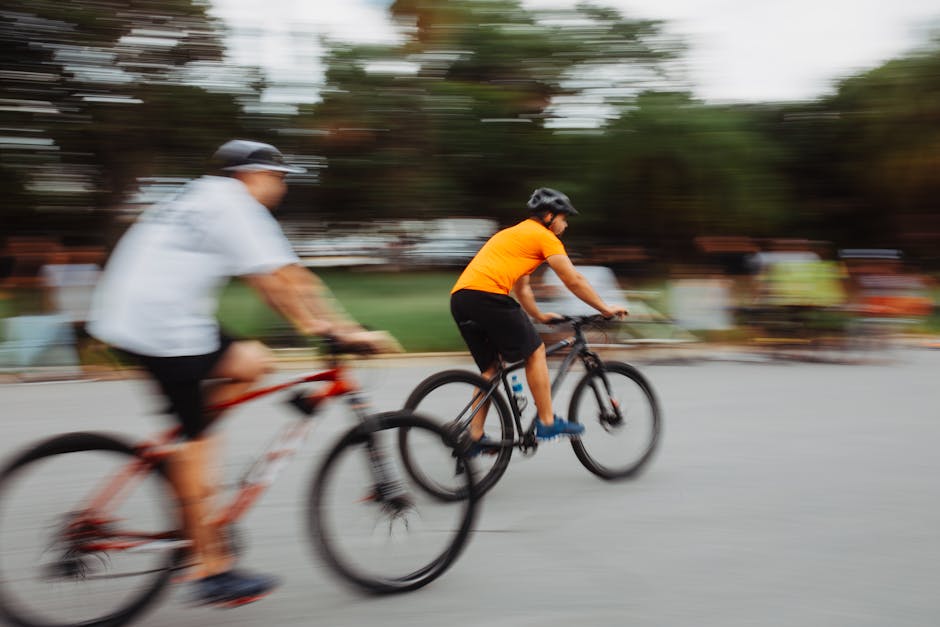
Joining a group ride can be intimidating, but it’s one of the best ways to improve your skills and meet other cyclists. Group dynamics require awareness, communication, and consistency—especially when it comes to storage and preparedness.
1. Ride Predictably
In a group, sudden movements can cause crashes. Keep your storage streamlined so nothing flaps or shifts unexpectedly. Avoid loose straps or dangling bags that could interfere with pedaling or steering.
2. Communicate Clearly
Use hand signals and verbal cues when turning, stopping, or changing pace. If you need to stop for a mechanical issue, signal early and move to the side. Let the group know if you’re carrying extra gear or have a hydration plan that affects your pace.
3. Match the Group’s Pace
Most group rides have a designated pace—often posted online or announced at the start. If you’re new, choose a beginner or social pace group. Trying to keep up with faster riders can lead to exhaustion or accidents, especially if you’re distracted by poorly stored gear.
4. Be Self-Sufficient
While some groups have support vehicles, most expect riders to carry their own essentials. Don’t rely on others to fix your flat or lend you tools. Being prepared shows respect for the group and builds your confidence.
Common Storage Mistakes to Avoid
Even experienced cyclists make storage errors. Here are a few to watch out for:
- Using a backpack: Backpacks cause sweat buildup, neck strain, and overheating. They also shift weight behind your center of gravity, affecting handling.
- Overloading jersey pockets: This can stretch the fabric and cause items to fall out. Stick to lightweight, flat items.
- Ignoring weather protection: Electronics and paper (like ID) can be damaged by rain. Use waterproof bags or ziplock bags as backup.
- Buying the wrong size: A saddle bag that’s too big can rub your legs. Measure your bike and test fit before committing.
- Forgetting to check before riding: Always do a quick gear check: “Do I have a tube? Pump? Phone?” This habit prevents avoidable stops.
How to Choose the Right Storage for Your Needs
With so many options, how do you pick the best setup? Consider these factors:
- Ride duration: Short rides (under 2 hours) may only need a saddle bag and jersey pockets. Longer rides benefit from top tube or frame bags.
- Climate: In hot weather, prioritize hydration and sun protection. In rain, focus on waterproofing.
- Bike type: Road bikes have limited space compared to gravel or touring bikes. Choose compact, aerodynamic options.
- Personal preference: Some riders prefer minimalism; others like having everything within reach. Test different setups on training rides.
Start simple. A small saddle bag and jersey pockets cover most beginner needs. As you gain experience, you can expand your storage system based on what works for you.
Training Tips to Build Confidence and Skill
Storage is just one part of the equation. To get the most out of your rides—especially in a group—focus on building foundational skills:
- Practice basic maintenance: Learn to change a tube at home before doing it on the road. It’s faster and less stressful.
- Work on your position: A proper fit reduces fatigue and improves control. Visit a bike shop for a basic fit if needed.
- Ride regularly: Aim for 2–3 rides per week to build endurance and familiarity with your bike.
- Use a cycling computer or app: Track distance, speed, and route to monitor progress and plan future rides.
- Join beginner-friendly groups: Look for clubs or Meetup groups labeled “no-drop” or “beginner pace.” These groups wait for stragglers and prioritize safety.
Remember, every experienced cyclist was once a beginner. Focus on consistency, not speed, and you’ll see steady improvement.
Final Thoughts on Road Cycling Advice for Beginners
Starting road cycling is exciting, but preparation is key to a positive experience. Road cycling advice for beginners starting training and group riding with a focus on storage for new cyclists emphasizes practicality, safety, and smart gear management. By choosing the right storage solutions—like saddle bags, top tube bags, and frame bags—you can carry everything you need without compromising comfort or performance.
Prioritize organization, avoid common mistakes, and gradually build your skills. Whether you’re training solo or joining a group, being prepared allows you to ride with confidence and enjoy the journey. Start simple, stay consistent, and let your passion for cycling grow—one well-packed mile at a time.
FAQ
Q: What’s the most important item to carry in my storage as a new cyclist?
A: A spare tube, tire levers, and a way to inflate it (mini pump or CO2) are essential. These let you fix a flat and get back on the road quickly.
Q: Can I use a backpack instead of bike-specific storage?
A: It’s not recommended. Backpacks cause discomfort, overheating, and poor weight distribution. Bike-specific storage is more efficient and safer.
Q: How do I know if my storage setup is secure?
A: Do a test ride with all gear loaded. Check for rubbing, shifting, or noise. If everything stays in place and feels balanced, you’re good to go.
