
Proven Cycling Tips for Handling Hills, Traffic, and Changing Weather Safely with a Focus on Speed for Weekend Rides Leave a comment
Proven Cycling Tips for Handling Hills, Traffic, and Changing Weather Safely with a Focus on Speed for Weekend Rides
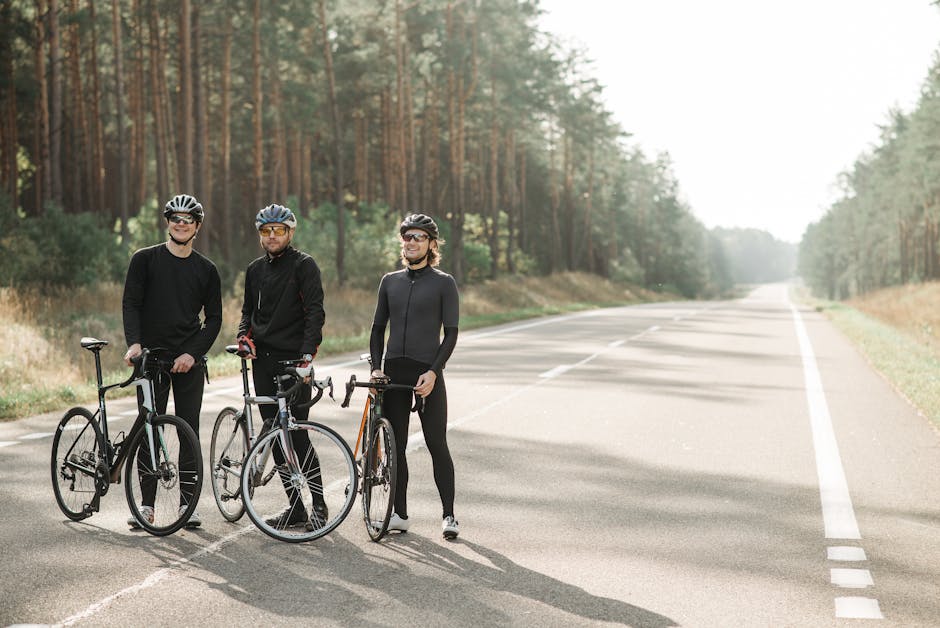
Weekend cycling should be fast, fun, and safe—even when hills, traffic, and unpredictable weather get in the way. Whether you’re tackling a steep climb, navigating busy intersections, or riding through a sudden downpour, knowing how to adapt makes all the difference. These proven cycling tips help you maintain speed and control across varied conditions, so you spend less time struggling and more time enjoying the ride. From body positioning to gear selection and route planning, we’ll cover practical strategies that work in real-world scenarios.
Mastering Hills Without Losing Speed
Hills are a common challenge on weekend routes, but they don’t have to slow you down. The key is balancing effort, cadence, and gear use to maintain momentum.
Shift Early and Maintain Cadence
Don’t wait until you’re straining to shift gears. Anticipate the incline and shift down before your cadence drops below 70–80 RPM. A steady spin helps preserve energy and prevents muscle fatigue. For example, if you’re approaching a 6% grade, shift to a lower gear while still on flat ground—this keeps your legs turning smoothly instead of grinding.
Body Position Matters
On steep climbs, stay seated as long as possible to conserve power. Lean slightly forward, keeping your weight over the pedals. When the grade exceeds 8%, standing can help, but do it in short bursts. Rocking the bike side to side wastes energy—instead, pedal in smooth circles and keep your upper body relaxed.
Use Momentum Wisely
If the hill has a slight dip before the climb, use that to build speed. Even a 5–10 second burst on the descent can carry you farther up the next rise. Avoid braking unnecessarily before a climb—every bit of speed counts.
Navigating Traffic Safely at Speed
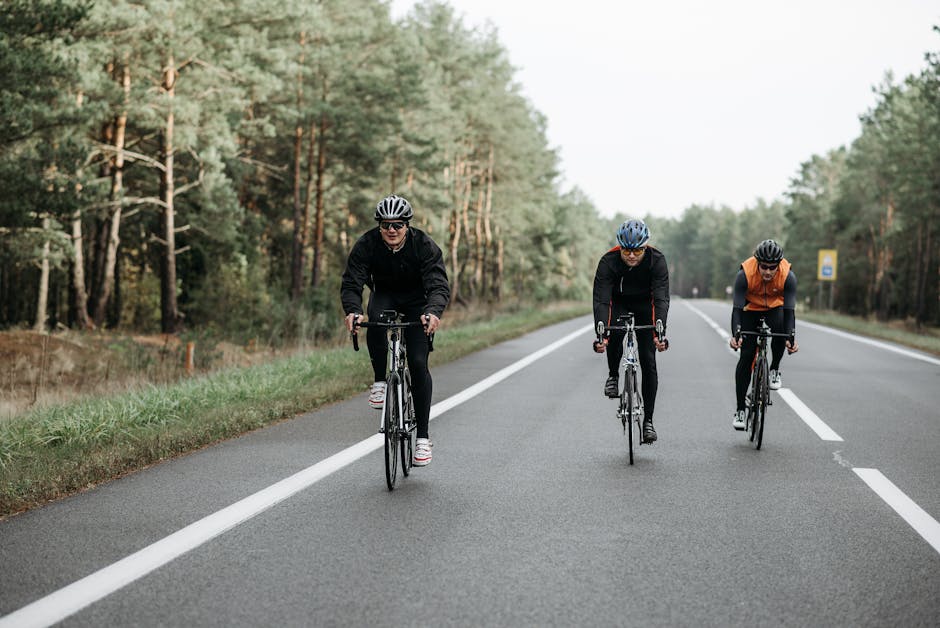
Urban and suburban weekend rides often mean sharing the road with cars. Staying visible and predictable helps you ride faster with less stress.
Ride Predictably in the Lane
Position yourself where drivers expect you—typically in the right third of the lane. This prevents unsafe passing and gives you space to react. On multi-lane roads, avoid riding in the “door zone” (about 3–4 feet from parked cars) to reduce the risk of opening doors.
Signal Clearly and Early
Use hand signals at least 50–100 feet before turning. Make eye contact with drivers when possible, especially at intersections. A simple nod or wave can confirm they’ve seen you.
Choose Routes with Bike Lanes or Low Traffic
When planning your weekend route, prioritize roads with protected bike lanes or low vehicle volume. Apps like Komoot or Ride with GPS let you filter for bike-friendly paths. For example, a 15-mile loop through a park or residential area may add a few minutes but significantly improves safety and ride quality.
Adapting to Changing Weather Without Slowing Down
Weather can shift quickly, especially in spring and fall. Being prepared lets you keep riding—and maintain speed—even when conditions change.
Dress in Layers for Temperature Swings
Start with a moisture-wicking base layer, add a lightweight windbreaker, and carry a packable rain shell. On a cool morning that warms by midday, you can shed layers without stopping. Arm and leg warmers are easy to remove and stash in a jersey pocket.
Adjust Tire Pressure for Wet Roads
Lower tire pressure increases traction on wet pavement. Reduce pressure by 5–10 PSI from your dry-weather setting. For example, if you normally ride at 90 PSI, drop to 80–85 PSI when it’s raining. Wider tires (28mm or more) offer better grip and comfort in damp conditions.
Use Fenders and Bright Lights
Even a light drizzle can kick up road spray. Clip-on fenders prevent water from hitting your back and drivetrain. Pair them with front and rear lights—white and red, respectively—even during the day. Flashing modes increase visibility in low light.
Gear and Bike Setup for Speed and Safety
Your bike’s setup directly affects how efficiently you handle hills, traffic, and weather. Small adjustments can yield big gains.
Optimize Your Gearing
For hilly terrain, consider a compact crankset (50/34T) paired with an 11–32T cassette. This gives you a wider range of gears, making steep climbs manageable without sacrificing top speed on flats. If you frequently ride in mixed conditions, a clutch rear derailleur reduces chain slap and improves shifting under load.
Check Brakes Before Every Ride
Wet or dirty rims reduce braking power. Inspect brake pads for wear and ensure they contact the rim evenly. On long descents, alternate between front and rear brakes to avoid overheating. The front brake provides 70% of stopping power—use it confidently, but gradually.
Carry Essentials in a Lightweight Kit
Keep a mini pump, spare tube, tire levers, and multi-tool in a saddle bag. Add a phone mount and energy gel for longer rides. A compact wind vest or rain jacket should fit in a jersey pocket. Every ounce counts when you’re chasing speed.
Route Planning for Maximum Efficiency
A well-chosen route saves time, reduces stress, and keeps your pace consistent.
Use Elevation Profiles to Your Advantage
Plot your route using tools that show elevation changes. Look for climbs early in the ride when you’re fresh, and position descents before traffic-heavy areas. For example, a 20-mile ride with a 1,000-foot climb in the first 5 miles lets you recover on flatter roads before hitting town.
Avoid High-Traffic Intersections
Even a short delay at a red light can break your rhythm. Choose routes with roundabouts or traffic signals timed for cyclists. Some cities have “green wave” corridors—roads where lights sync to bike speeds around 12–15 mph.
Time Your Ride with the Weather
Check hourly forecasts and aim to ride during the calmest, driest window. Morning rides often avoid afternoon thunderstorms. If rain is expected, start earlier and finish before the heaviest downpour.
Common Mistakes That Slow You Down
Even experienced riders make errors that cost time and safety.
- Braking too late on descents: Slow down before the turn, not during it. This keeps your speed controlled and your line smooth.
- Riding in the wrong gear: Spinning out on a downhill or grinding uphill wastes energy. Shift proactively.
- Ignoring road surface changes: Gravel, potholes, and wet leaves reduce traction. Scan ahead and adjust your line.
- Skipping pre-ride checks: A loose stem or low tire pressure can lead to mechanical failure mid-ride.
Final Takeaways for Faster, Safer Weekend Rides
Speed on weekend rides isn’t just about fitness—it’s about smart decisions. Use lower gears early on climbs, ride predictably in traffic, and adapt your gear and route to weather changes. Small habits like checking tire pressure, signaling turns, and carrying essentials add up to a smoother, faster experience. With these proven cycling tips, you’ll handle hills, traffic, and changing conditions with confidence and keep your pace strong from start to finish.
FAQ
Q: How can I climb hills faster without getting tired?
A: Shift to an easier gear before the climb, maintain a steady cadence of 70–80 RPM, and stay seated as long as possible. Use momentum from descents and avoid standing unless necessary.
Q: What’s the safest way to ride in traffic at speed?
A: Ride in the right third of the lane, signal turns early, make eye contact with drivers, and choose routes with bike lanes or low traffic. Stay visible with lights and bright clothing.
Q: Should I change my tire pressure in the rain?
A: Yes. Reduce pressure by 5–10 PSI to improve grip on wet roads. Wider tires (28mm+) also enhance traction and comfort in damp conditions.
