
Practical Guide to Buying a Reliable Gravel Bicycle for Long-Term Cycling Use with a Focus on Control for Weekend Rides Leave a comment
Practical Guide to Buying a Reliable Gravel Bicycle for Long-Term Cycling Use with a Focus on Control for Weekend Rides
If you’re looking to invest in a gravel bike built for comfort, durability, and confident handling over varied terrain—especially for weekend adventures—this practical guide to buying a reliable gravel bicycle for long-term cycling use with a focus on control for weekend rides will help you make the right choice. Gravel bikes blend the speed of road bikes with the stability of mountain bikes, making them ideal for everything from packed dirt paths to light singletrack. But not all gravel bikes are created equal. Prioritizing control, longevity, and real-world usability ensures your investment pays off season after season.
Why Control Matters Most for Weekend Gravel Riders
Control isn’t just about avoiding crashes—it’s about confidence. On loose gravel, wet grass, or uneven pavement, a bike that responds predictably lets you focus on the ride, not your footing. For weekend riders covering 30–80 miles on mixed surfaces, handling directly affects comfort, safety, and enjoyment. A well-balanced gravel bike with responsive steering and stable geometry reduces fatigue and improves traction, especially when cornering or descending.
Look for a bike with a slightly longer wheelbase and slacker head tube angle (around 70–71 degrees) compared to road bikes. This increases stability at speed and over rough ground. Additionally, frame compliance—how well the bike absorbs vibrations—plays a big role. Materials like steel and titanium offer natural damping, while quality carbon frames use engineered flex zones. Aluminum is lighter but can feel harsher unless paired with a carbon fork and seatpost.
Frame Material: Matching Durability to Your Riding Style
The frame is the foundation of your gravel bike’s longevity. Each material has trade-offs:
- Steel: Known for its smooth ride and excellent durability. Chromoly steel frames, like those from All-City or Surly, resist fatigue and are easy to repair. Ideal for riders prioritizing comfort and long-term resilience over weight.
- Aluminum: Lightweight and affordable, but can transmit more road vibration. Look for hydroformed tubing and butted frames (e.g., Cannondale Topstone) to improve ride quality.
- Carbon fiber: Offers the best stiffness-to-weight ratio and can be tuned for compliance. Brands like Trek (Checkpoint), Specialized (Diverge), and Canyon (Grail) use advanced layups to balance speed and comfort. Ensure the frame has reinforced stress points for long-term reliability.
- Titanium: Combines light weight, corrosion resistance, and a supple ride. Frames from Moots or Lynskey last decades with minimal maintenance, but come at a premium price.
For long-term use, avoid entry-level carbon frames with thin tubing or questionable warranties. A 5–10 year manufacturer warranty is a good indicator of build quality.
Geometry and Fit: The Key to All-Day Control
A bike that fits well feels like an extension of your body. Gravel-specific geometry prioritizes stability and comfort over aggressive racing positions. Key measurements include:
- Stack and Reach: Higher stack (more vertical head tube) reduces strain on your back and neck—ideal for relaxed weekend rides.
- Chainstay Length: Shorter stays (under 425mm) improve agility; longer ones enhance stability on rough terrain.
- Bottom Bracket Drop: A drop of 70–80mm lowers the center of gravity, improving cornering grip.
Test ride multiple bikes if possible. Pay attention to how the bike tracks through corners and reacts to bumps. A bike that feels “nervous” or “sluggish” may not suit your riding style, even if specs look good on paper.
Tire Clearance and Wheel Compatibility
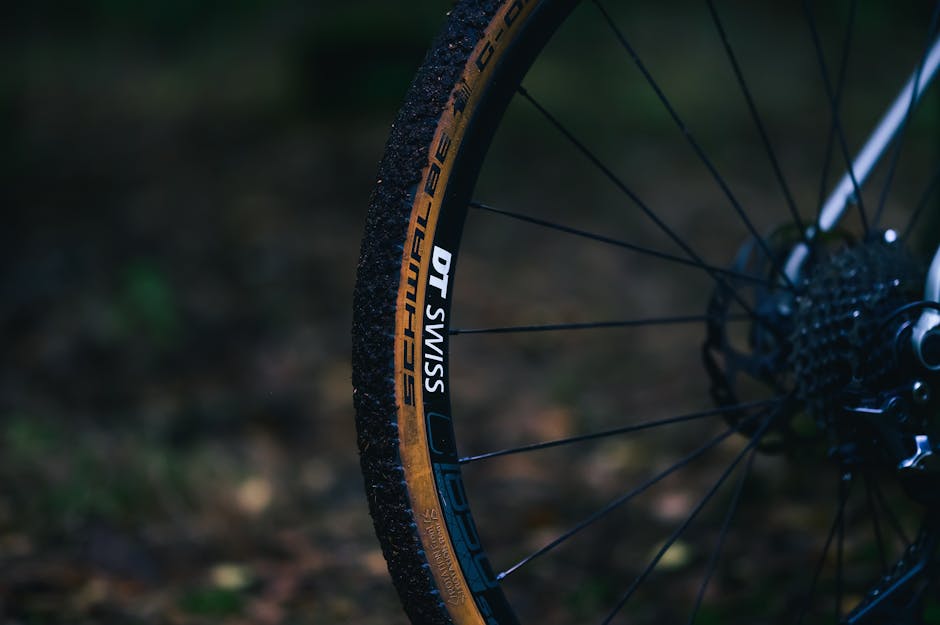
Tire choice dramatically affects control and comfort. Most modern gravel bikes accept tires from 35mm to 50mm wide. Wider tires (40–45mm) run at lower pressures, absorbing shocks and improving grip on loose surfaces.
Check the frame and fork clearance before buying. Some bikes claim “45mm clearance” but only with narrow rims or specific tire models. For example, a 45mm tire on a wide rim may rub on the fork. Look for bikes with at least 5mm of clearance on each side when fully loaded.
Wheel standards matter too. Most new gravel bikes use 700c wheels with 12mm thru-axles (front and rear), which improve stiffness and alignment. Avoid older QR (quick-release) systems if you plan to ride technical terrain. Tubeless compatibility is now standard and highly recommended—it reduces pinch flats and allows lower pressures for better traction.
Drivetrain: Simplicity, Reliability, and Gear Range
Gravel drivetrains have evolved beyond traditional road setups. Today’s best options balance wide gear range, ease of maintenance, and weather resistance.
1x vs 2x Drivetrains
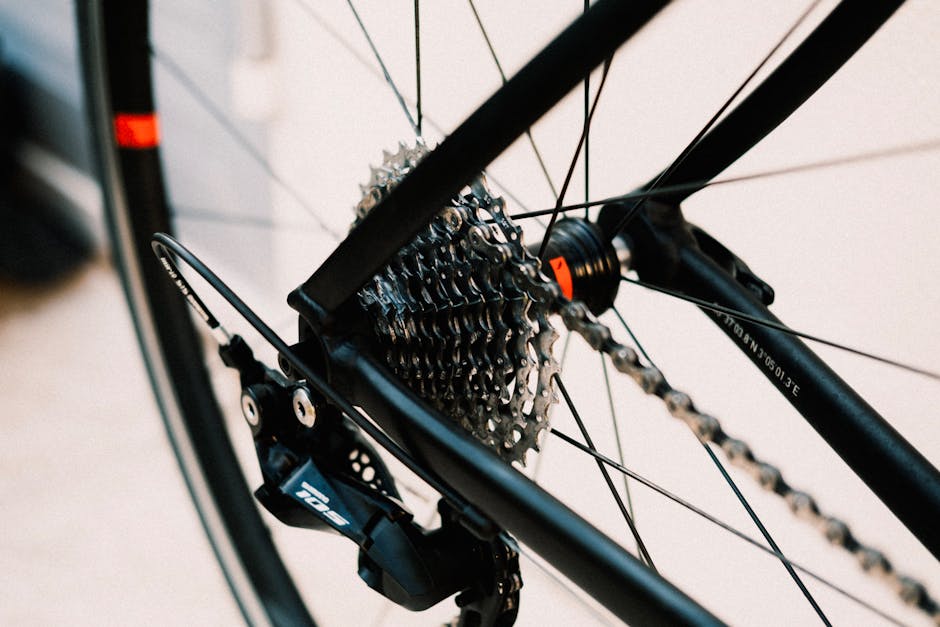
1x (single chainring): Simpler, lighter, and less prone to mechanical issues. Modern 1x systems (like SRAM Apex XPLR or Shimano GRX RX810) offer 10–12 speeds with a 10–44T cassette, covering most gravel terrain. Ideal for riders who prioritize low maintenance and don’t need ultra-fine gear steps.
2x (double chainring): Offers more gear options and tighter ratios, useful for hilly regions or mixed road/gravel routes. Shimano GRX and SRAM Rival XPLR 2x systems provide a 46/30T crankset with wide-range cassettes. However, front derailleurs add complexity and can be less reliable in muddy conditions.
For weekend riders covering varied terrain, 1x is often the better choice—fewer parts to fail, easier shifting, and sufficient range. If you frequently ride steep climbs and fast descents, 2x may offer better efficiency.
Component Quality and Longevity
Don’t skimp on the groupset. Mid-tier components like Shimano GRX, SRAM Apex, or Microshift Advent X offer excellent durability and serviceability. Avoid no-name or heavily discounted groups—they often lack weather sealing and wear quickly.
Look for hydraulic disc brakes as standard. They provide consistent stopping power in all conditions and require less hand effort than mechanical discs. Ensure the bike has mounting points for fenders and racks if you plan to carry gear or ride in wet weather.
Suspension and Compliance: Do You Need It?
Full suspension is rare on gravel bikes, but several technologies improve comfort without adding weight:
- Carbon Forks with Flex: Many gravel bikes use curved or flattened fork blades (e.g., Trek IsoSpeed, Specialized Future Shock) to absorb front-end vibrations.
- Seatpost Designs: Suspension seatposts (like Cane Creek’s Thudbuster or Redshift Shockstop) or flex-stem systems reduce rear-end harshness.
- Frame Flex Zones: Some carbon frames incorporate engineered flex in the seatstays or chainstays (e.g., Canyon’s VCLS seatpost).
For most weekend riders, a quality carbon fork and wide tires provide enough compliance. Reserve suspension seatposts for long, rough rides or riders with back issues.
Braking Performance: Stopping Power in All Conditions
Disc brakes are non-negotiable for reliable gravel riding. Hydraulic systems outperform mechanical ones in wet, muddy, or steep conditions. Look for 160mm rotors front and rear—larger rotors (180mm) offer more power but add weight and may be overkill for casual riders.
Check brake pad compatibility and ease of replacement. Mineral oil systems (Shimano) are cleaner than DOT fluid (SRAM), but both work well when maintained. Avoid bikes with integrated brake levers that make servicing difficult.
Accessory Compatibility: Gear for the Long Haul
A truly reliable gravel bike supports your lifestyle. Look for:
- Bottle cage mounts: At least two on the frame, plus under-the-down-tube or fork mounts for long rides.
- Rack and fender mounts: Essential for bikepacking or commuting in rain.
- Top tube bag mounts: Convenient for snacks, phone, or tools.
- Kickstand mount: Handy for trailside stops or urban use.
Bikes like the Salsa Journeyman, Trek Checkpoint ALR, and Kona Rove are designed with these features in mind. Avoid “racing-oriented” gravel bikes that sacrifice utility for weight savings.
Brand Reputation and Warranty: Protecting Your Investment
Stick with established brands known for customer support and durable builds. Trek, Specialized, Canyon, Salsa, and Surly offer strong warranties (often 5–10 years on frames) and global service networks. Lesser-known brands may save money upfront but can leave you stranded if parts fail.
Read warranty terms carefully. Some cover only manufacturing defects, not crash damage or wear. Extended warranties or crash replacement programs (like Canyon’s) add value for long-term owners.
New vs. Used: Weighing the Risks and Savings
A used gravel bike can save 30–50% off retail, but inspect it thoroughly:
- Check for frame cracks, especially around welds and bottom bracket.
- Test ride to assess shifting, braking, and headset smoothness.
- Ask for service records—drivetrains and bearings wear out.
- Avoid bikes with mismatched components or heavy modifications.
For beginners, a new bike with a warranty is often safer. Experienced riders may find excellent deals on lightly used models from reputable sellers.
Budget Considerations: Getting the Most for Your Money
Gravel bikes range from $1,000 to $6,000+. Here’s how to allocate your budget wisely:
| Budget Range | Best Value Focus | Recommended Examples |
|---|---|---|
| $1,000–$1,800 | Aluminum frame, GRX 2x or 1x, mechanical disc brakes | Cannondale Topstone 4, Trek Checkpoint ALR 5 |
| $1,800–$3,000 | Carbon fork, hydraulic brakes, tubeless-ready wheels | Specialized Diverge Sport, Canyon Grizl 7 |
| $3,000+ | Full carbon frame, premium groupset, advanced compliance | Trek Checkpoint SL 6, Salsa Warbird GRX |
Spend more on the frame and drivetrain—these last longest. Wheels and tires can be upgraded later. Avoid overspending on electronic shifting unless you ride frequently in harsh conditions.
Final Checklist Before You Buy
Before handing over your card, confirm:
- The bike fits your body and riding style (test ride if possible).
- Tire clearance matches your intended use (40mm+ recommended).
- Drivetrain suits your terrain (1x for simplicity, 2x for range).
- Brakes are hydraulic and serviceable.
- Frame has mounts for racks, fenders, and bottles.
- Warranty and brand support are reliable.
A gravel bike is a long-term companion. Prioritizing control, comfort, and durability ensures it serves you well through countless weekend adventures.
Conclusion
Choosing the right gravel bike means balancing performance, comfort, and reliability. This practical guide to buying a reliable gravel bicycle for long-term cycling use with a focus on control for weekend rides emphasizes real-world usability over specs alone. Invest in a well-built frame, prioritize handling and tire clearance, and choose components that match your riding habits. With the right bike, every gravel road becomes an invitation—not a challenge.
FAQ
What’s the ideal tire width for weekend gravel riding?
For most weekend riders, 40–45mm tires offer the best balance of comfort, grip, and rolling resistance on mixed surfaces. Wider tires (up to 50mm) are better for loose or technical terrain.
Should I choose a 1x or 2x drivetrain for gravel riding?
1x drivetrains are simpler, lighter, and require less maintenance—ideal for casual and mixed-terrain riding. Choose 2x if you frequently ride steep hills and want tighter gear ratios.
Can I use a gravel bike for road cycling?
Yes. Gravel bikes handle paved roads well, especially with narrower tires (35–38mm). They’re more versatile than road bikes but slightly slower due to weight and geometry.
