
How to Maintain a Bicycle Using Beginner-Friendly Tools and Easy Habits with a Focus on Speed for Weekend Rides Leave a comment
How to Maintain a Bicycle Using Beginner-Friendly Tools and Easy Habits with a Focus on Speed for Weekend Rides
Keeping your bicycle in top shape doesn’t require a mechanic’s expertise or a garage full of tools. With a few beginner-friendly tools and consistent, easy habits, you can maintain a bicycle that’s always ready for fast, smooth weekend rides. This guide walks you through essential maintenance tasks—like cleaning, lubricating, and checking tire pressure—using simple steps and affordable gear. Whether you’re commuting or chasing personal bests on local trails, these routines help prevent breakdowns and keep your ride efficient and enjoyable.
Why Regular Bicycle Maintenance Matters for Speed and Safety
A well-maintained bike isn’t just safer—it’s faster. Dirt, grime, and worn components create friction that slows you down. Loose bolts, underinflated tires, and dry chains can lead to poor handling or even accidents. For weekend riders aiming to maximize speed and minimize downtime, routine upkeep is non-negotiable. Even small improvements, like proper chain lubrication or correctly inflated tires, can reduce rolling resistance and boost your average pace by several kilometers per hour.
Regular maintenance also extends the life of your bike’s components. Replacing a chain before it wears out your cassette saves money and prevents more complex repairs. By investing just 15–20 minutes a week, you’ll avoid costly fixes and ensure your bike performs reliably every time you hit the road or trail.
Essential Beginner-Friendly Tools You Actually Need
You don’t need a full workshop to keep your bike in great condition. A basic toolkit with a few well-chosen items covers 90% of routine maintenance. Here’s what every rider should have on hand:
- Floor pump with pressure gauge: Ensures tires are inflated to the correct PSI for optimal speed and comfort.
- Chain lubricant (wet or dry formula): Reduces friction and protects against rust.
- Cleaning brush set: Includes a chain brush, tire scrubber, and detailing brushes for hard-to-reach areas.
- Degreaser: Removes built-up grime from the drivetrain.
- Hex key set (Allen wrenches): For adjusting brakes, seat height, and handlebars.
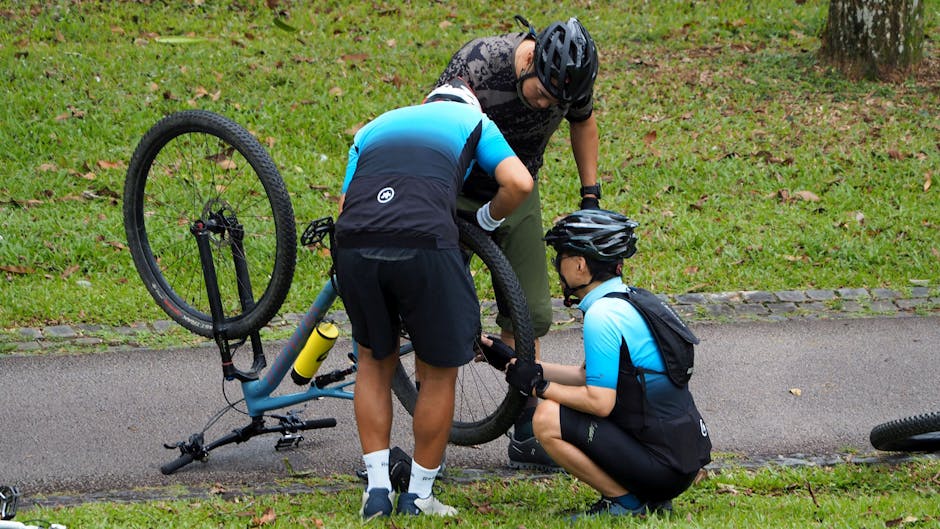
- Tire levers: Makes removing and installing tires easier during flats.
- Rag or microfiber cloth: For wiping down parts after cleaning.
These tools are widely available at bike shops or online and typically cost under $50 as a starter kit. Avoid buying specialized tools unless you’re doing advanced repairs—most weekend riders won’t need them.
Tool Comparison: What to Buy vs. What to Skip
| Tool | Buy It? | Why |
|---|---|---|
| Floor pump with gauge | Yes | Critical for proper tire pressure; impacts speed and puncture resistance |
| Chain checker tool | Optional | Helpful but not essential; visual inspection works for beginners |
| Cassette lockring tool | No | Only needed for deep drivetrain repairs; take to a shop instead |
| Digital torque wrench | No | Overkill for casual riders; hand-tightening with Allen keys is sufficient |
Weekly Habits That Keep Your Bike Fast and Reliable
Speed starts with consistency. Instead of waiting for problems to appear, adopt a few quick weekly habits that prevent issues before they slow you down.
1. Check Tire Pressure Before Every Ride
Underinflated tires increase rolling resistance, making pedaling harder and rides slower. Overinflated tires reduce grip and comfort. Check your tire’s recommended PSI (printed on the sidewall) and use your floor pump to top off air before each weekend ride. For road bikes, this is typically 80–130 PSI; for hybrids or gravel bikes, 40–70 PSI. A quick 30-second check can shave minutes off your ride time.
2. Wipe Down and Inspect the Chain
After every ride, especially in wet or dirty conditions, wipe your chain with a clean rag. Look for stiff links, rust, or excessive grime. A clean chain shifts better and lasts longer. If it looks dirty, give it a proper cleaning (see next section). This simple habit prevents premature wear and keeps your drivetrain efficient.
3. Test Brakes and Shifting
Before heading out, squeeze both brake levers. They should engage firmly without touching the handlebars. Shift through all gears to ensure smooth transitions. If shifting feels sluggish or skips, it may need a cable adjustment—something you can learn to do with basic tools or take to a shop for a quick fix.
Monthly Maintenance: Clean and Lubricate for Peak Performance
Once a month, or after riding in harsh conditions, give your bike a deeper clean. This isn’t about making it look pretty—it’s about maintaining speed and preventing wear.
Step-by-Step: How to Clean Your Drivetrain
- Rinse off loose dirt: Use a gentle spray of water (avoid high-pressure hoses, which can force water into bearings).
- Apply degreaser: Spray or brush degreaser onto the chain, cassette, and chainrings. Let it sit for 2–3 minutes.
- Scrub thoroughly: Use a chain brush to work the degreaser into the chain links. Scrub the cassette and chainrings with a dedicated brush.
- Rinse and dry: Rinse off the degreaser and wipe everything dry with a clean rag.
- Lubricate the chain: Apply a drop of chain lube to each link while slowly rotating the pedals backward. Wipe off excess lube to prevent attracting dirt.
A clean, well-lubricated drivetrain reduces friction by up to 15%, translating to noticeable gains in speed and efficiency. Skip this step, and you’ll feel the difference within a few rides.
Choosing the Right Chain Lube
Not all lubes are created equal. Use a wet lube if you ride in rain or mud—it sticks better but attracts dirt. Use a dry lube for dry, dusty conditions—it resists dirt but washes off easily in wet weather. Most weekend riders benefit from a dry lube unless they frequently ride in the rain. Apply sparingly: too much lube traps grime and accelerates wear.
Seasonal Checks: Prepare for Changing Conditions
As seasons change, so do your bike’s needs. A few seasonal adjustments keep your bike ready for faster, safer weekend rides year-round.
Spring: Tune-Up After Winter Storage
If your bike sat idle over winter, inspect cables, brakes, and tires. Check for dry rot on tires, frayed cables, or seized bolts. Re-lubricate the chain and test all functions. A spring tune-up ensures your bike isn’t holding you back when you’re ready to ride.
Summer: Monitor Tire Wear and Heat
Hot pavement increases tire pressure. Check PSI more frequently in summer, especially before long rides. Also, inspect tires for cuts, embedded glass, or worn tread. Replace tires when the tread is smooth or you can see the casing threads.
Fall: Prep for Wet and Dirty Rides
Leaves, mud, and rain accelerate drivetrain wear. Increase cleaning frequency and switch to a wet lube if needed. Check brake pads—worn pads reduce stopping power in wet conditions.
Winter: Protect Against Corrosion
If you ride in snow or salt, rinse your bike after every ride to remove corrosive residue. Use a wet lube and consider fenders to minimize spray. Store your bike indoors when possible.
Common Mistakes That Slow You Down
Even with good intentions, small mistakes can undermine your efforts. Avoid these common pitfalls:
- Over-lubing the chain: Excess lube attracts dirt, creating a gritty paste that wears components faster.
- Ignoring tire pressure: Riding with low pressure feels sluggish and increases pinch-flat risk.
- Using household cleaners: Dish soap or all-purpose cleaners can strip lubricants and damage rubber parts.
- Skipping the wipe-down: Letting grime build up makes cleaning harder and reduces component life.
- Tightening bolts too much: Over-tightening can strip threads or crack carbon parts. Use hand pressure with Allen keys unless specified otherwise.
When to Take Your Bike to a Shop
While most maintenance is DIY-friendly, some tasks are best left to professionals. Visit a bike shop if you notice:
- Brakes feel spongy or don’t engage evenly
- Shifting skips under load or won’t stay in gear
- Wheels wobble or make grinding noises
- Chain skips even after cleaning and lubing (sign of worn cassette or chain)
- You’re unsure about a repair or lack the right tools
Many shops offer quick, affordable services like brake adjustments or gear tuning—often completed while you wait. It’s worth the investment to keep your bike running smoothly.
Final Tips for Faster, More Enjoyable Weekend Rides
Maintaining a bicycle using beginner-friendly tools and easy habits doesn’t have to be time-consuming or complicated. Focus on consistency: a few minutes each week prevents major issues and keeps your bike fast and reliable. Prioritize tire pressure, chain care, and brake function—these have the biggest impact on performance.
Keep your tools organized and store them near your bike so maintenance feels convenient, not like a chore. Over time, these habits become second nature, and you’ll spend less time fixing problems and more time enjoying the ride.
Remember, a well-maintained bike isn’t just about speed—it’s about confidence. When your bike responds predictably and efficiently, you can push harder, ride farther, and make the most of every weekend adventure.
